I have a deep interest in human landscapes and in the lives of both people and animals within them. Photography helps me observe how life is lived, notice what is often overlooked, and reflect on the forces shaping everyday life. I also offer photography free of charge to selected charities, non-profit organisations, community initiatives, and other public-interest causes.
01
Birds at California
California · 2026 · 102 photos
View photosHide photos
Birds photographed across California, from Shoreline Park, the Baylands marshes and Palo Alto Duck Pond to Stanford Dish, the arboretum, campus woodland and Lake Lagunita.
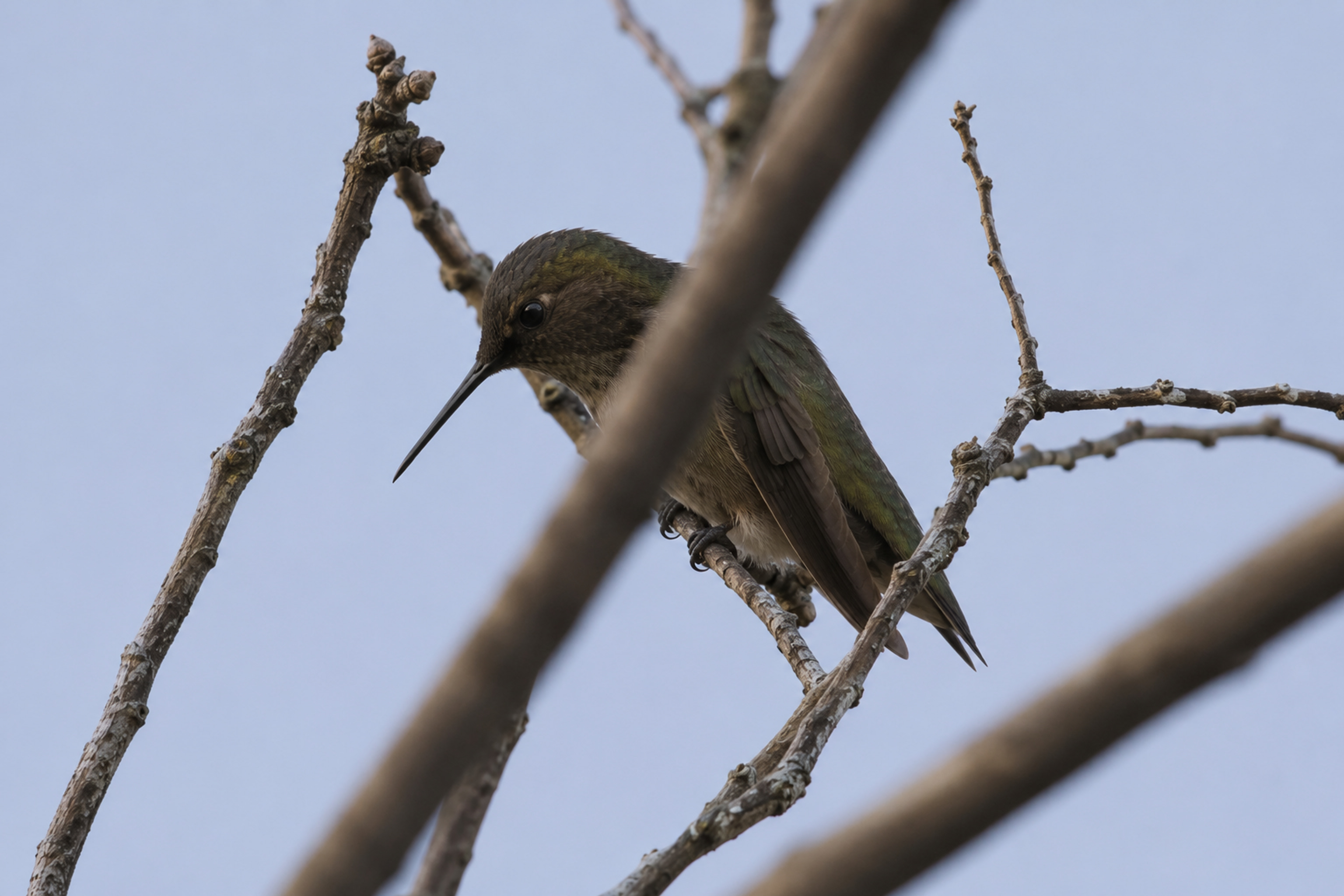
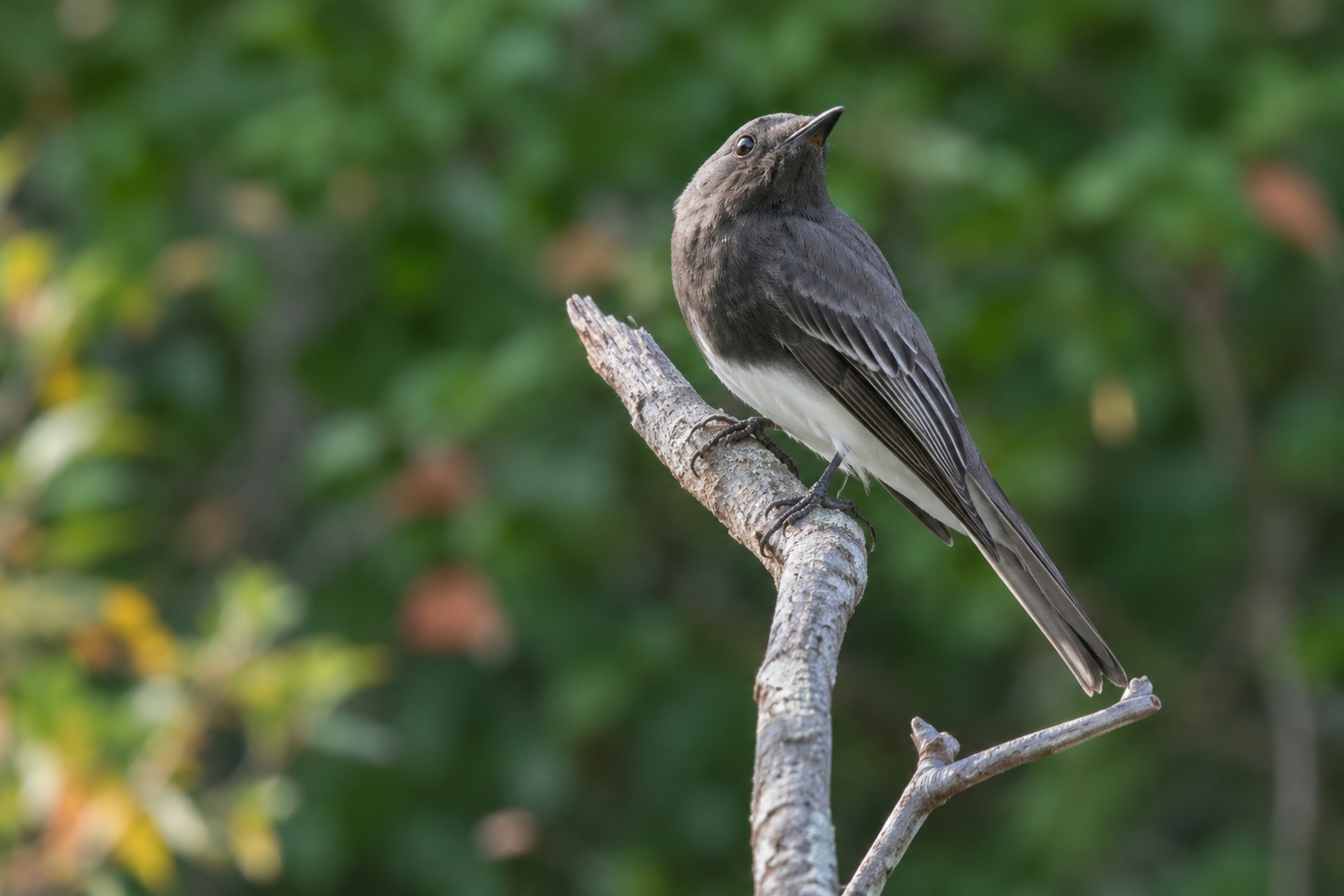
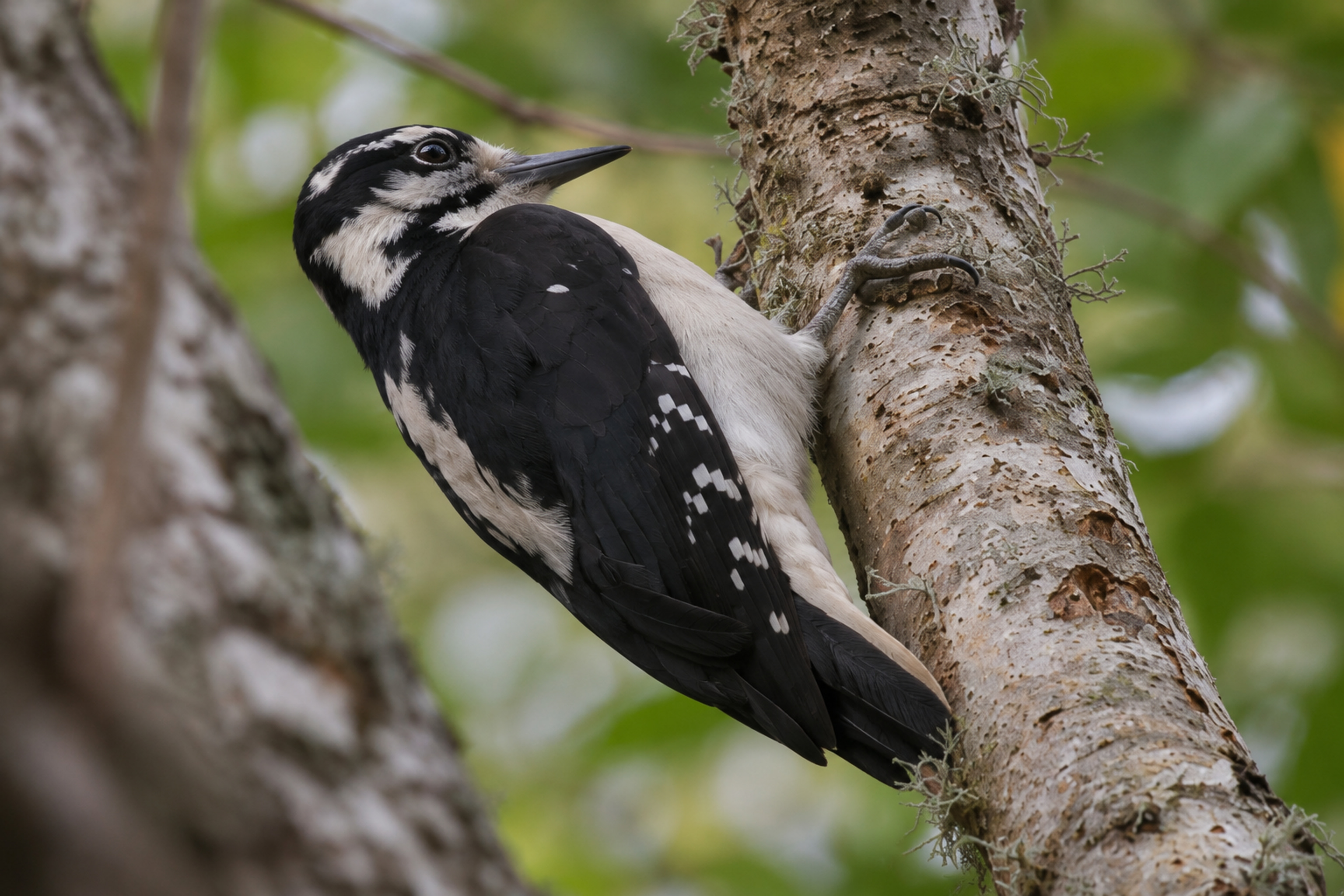
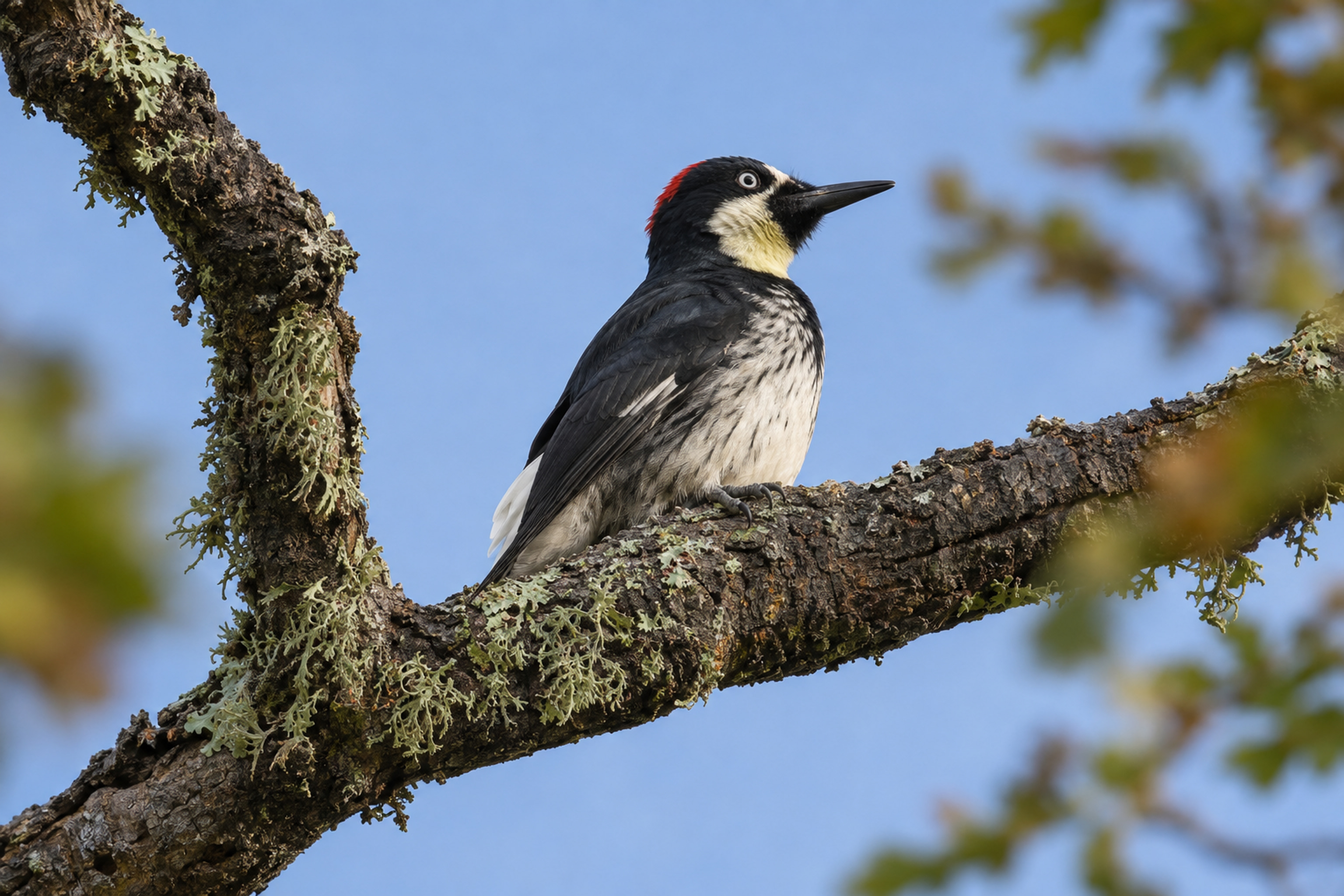
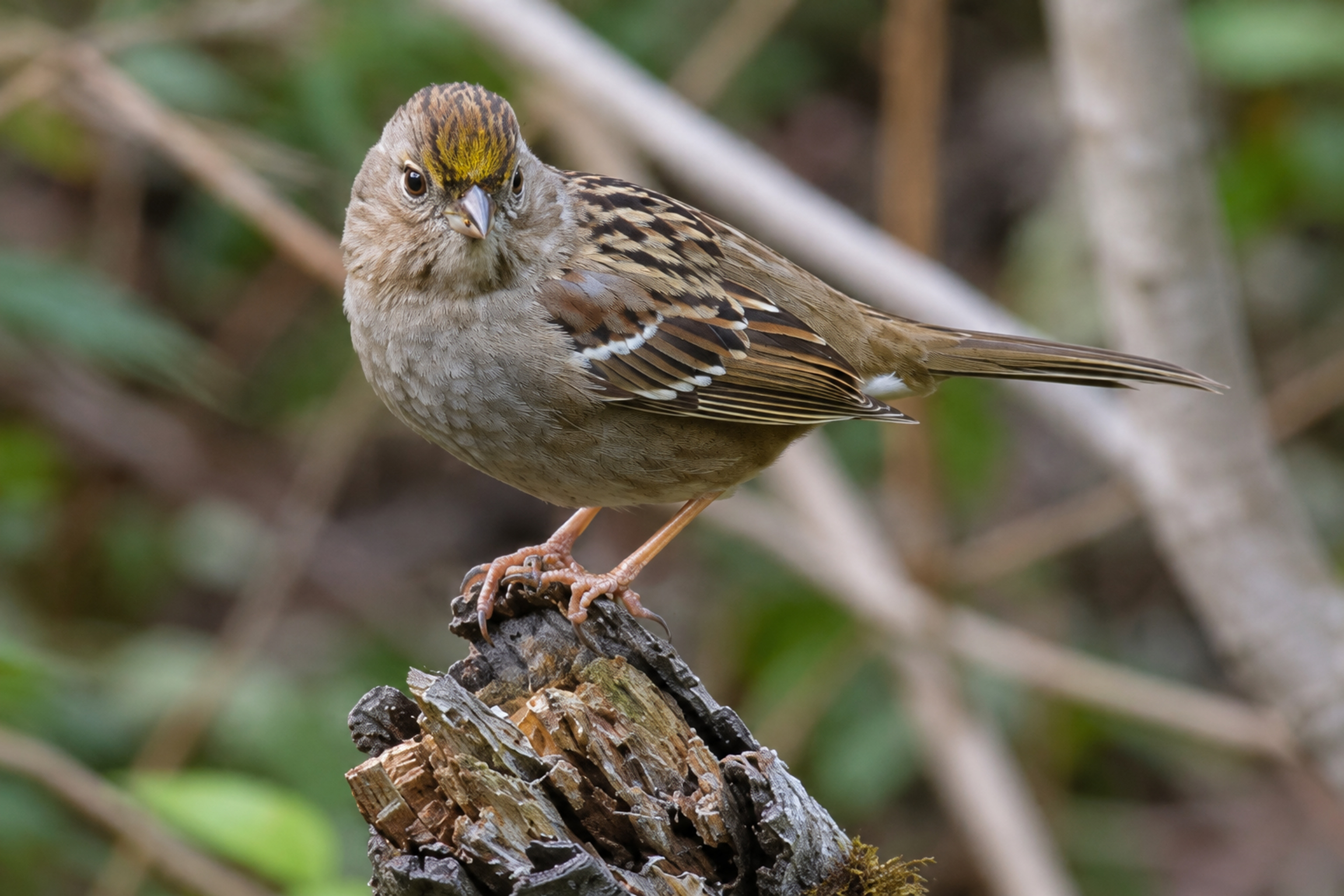
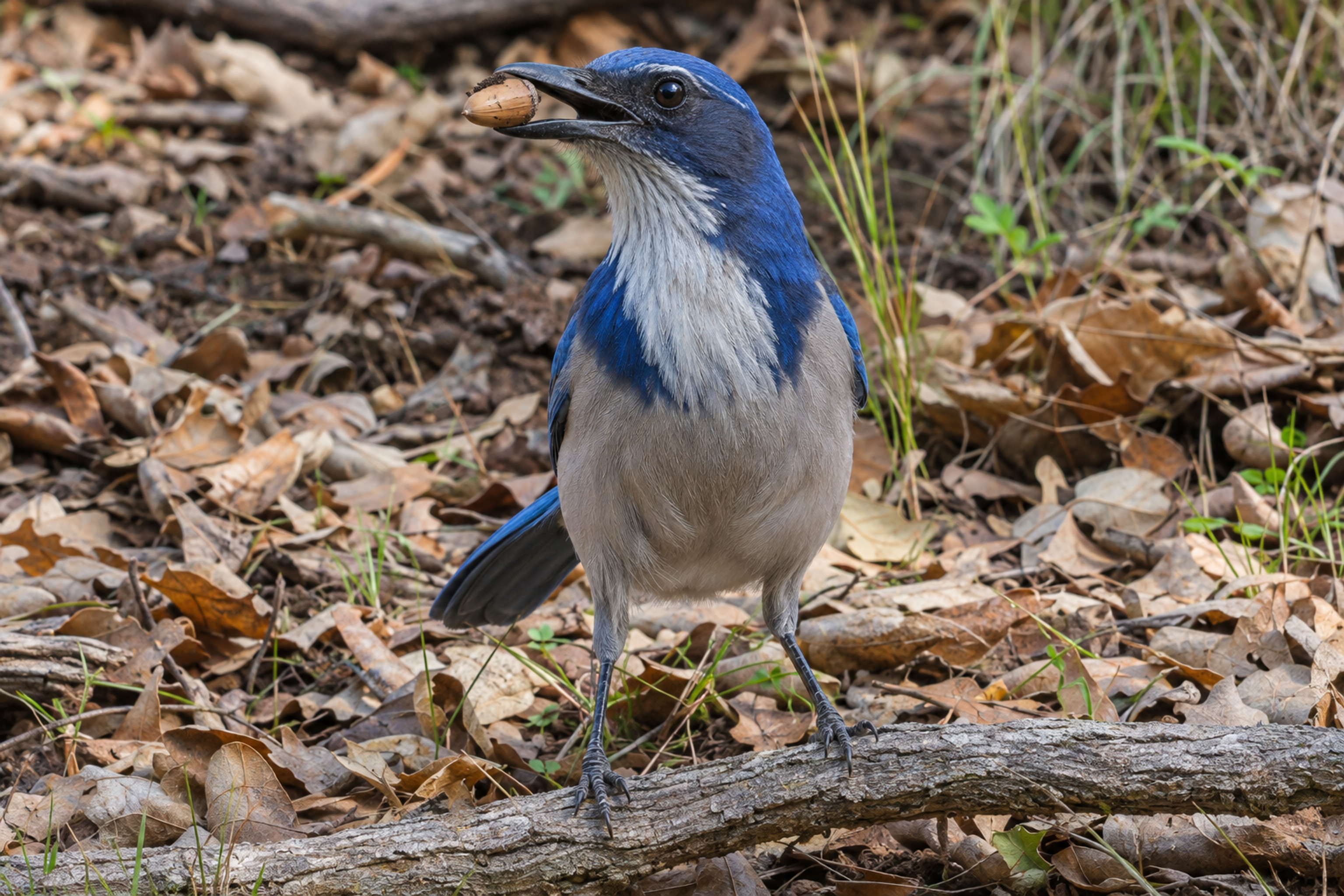
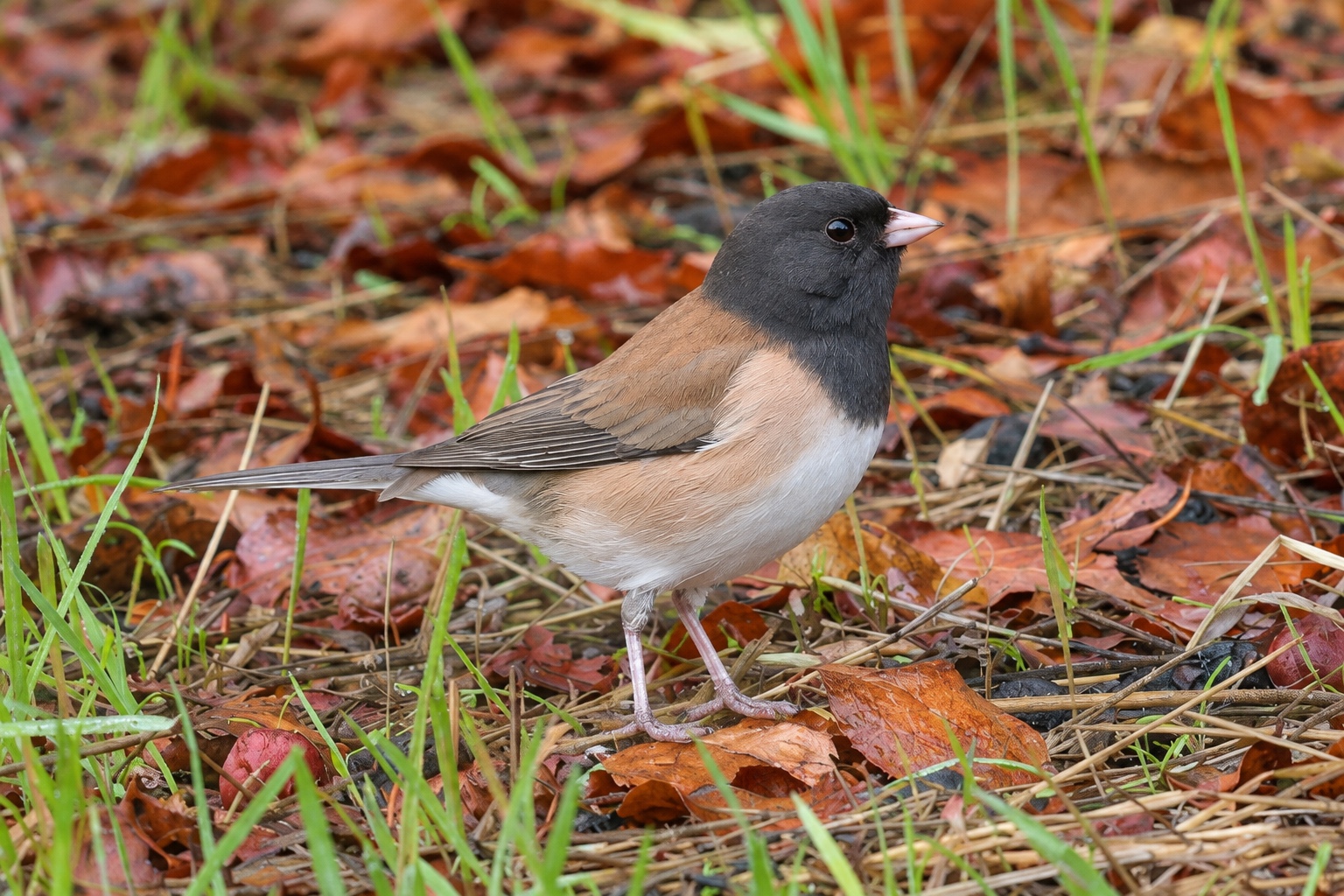
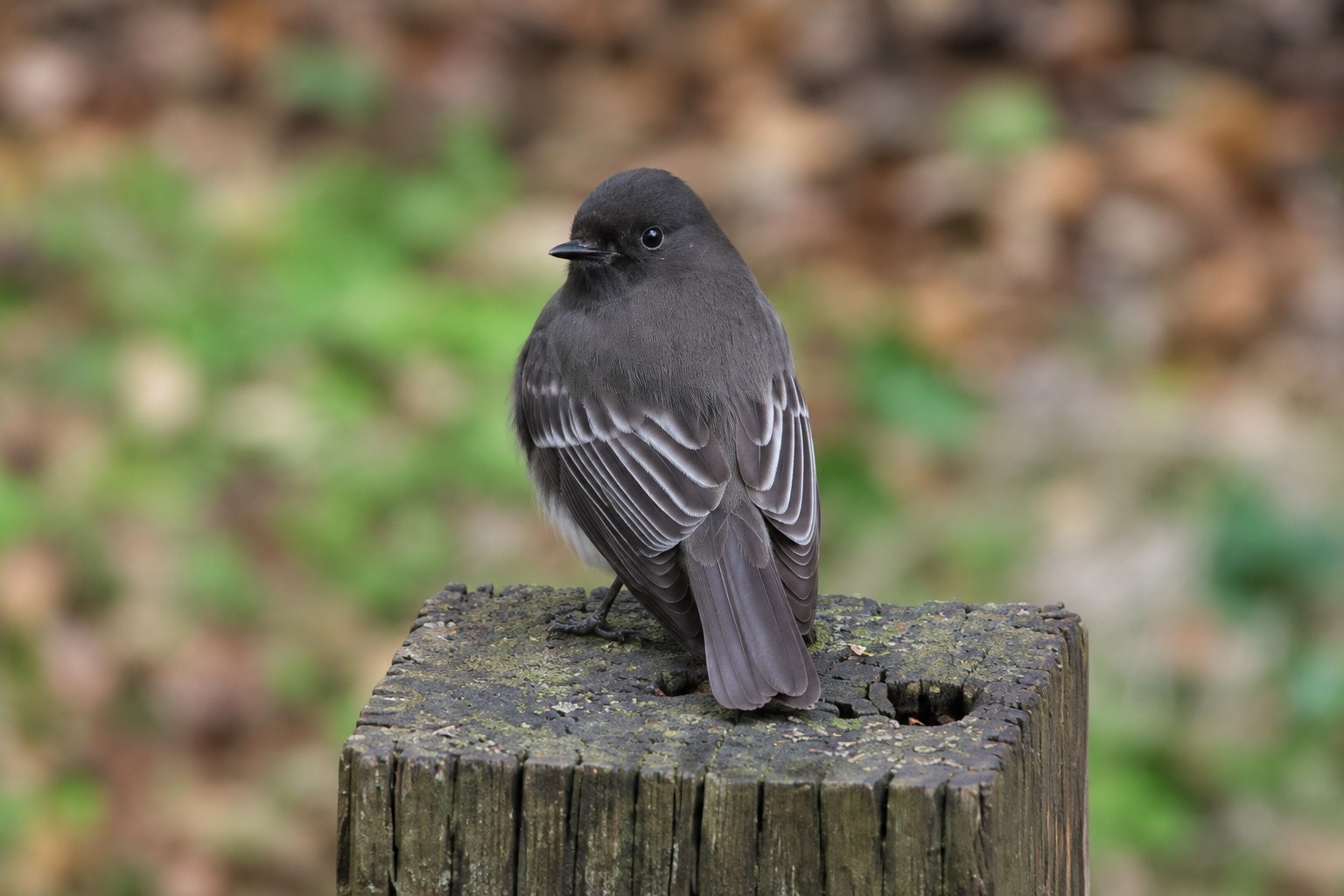
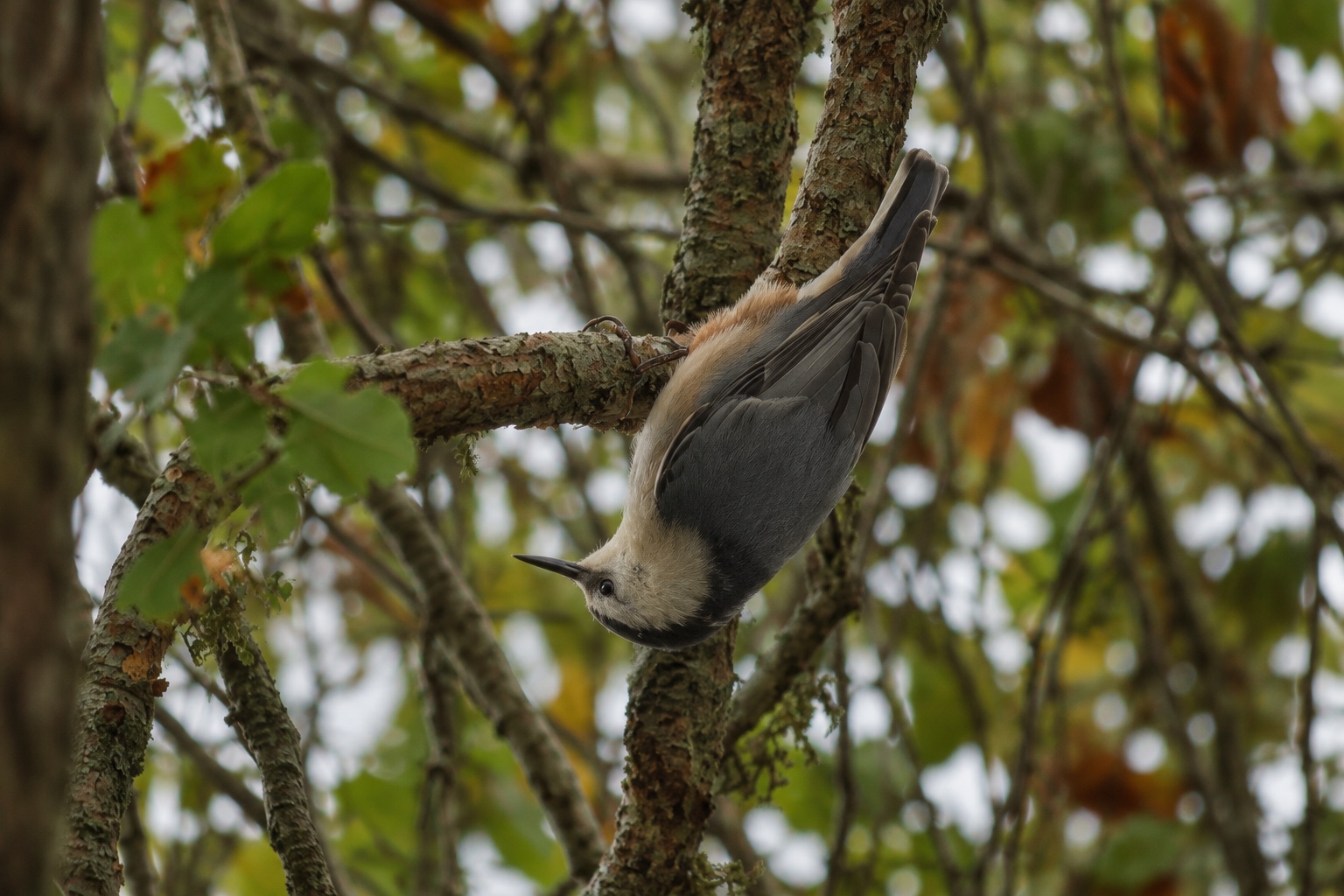
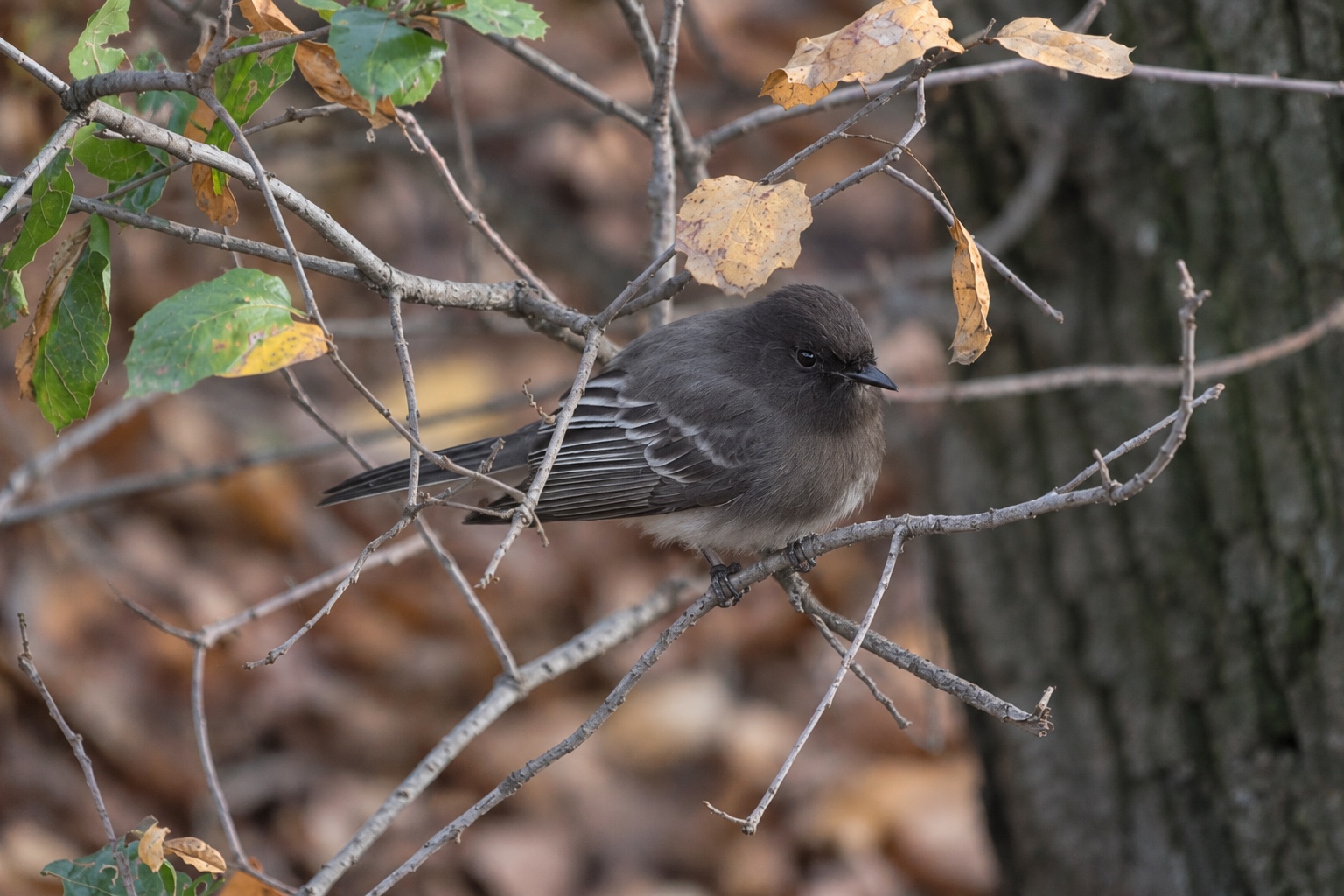
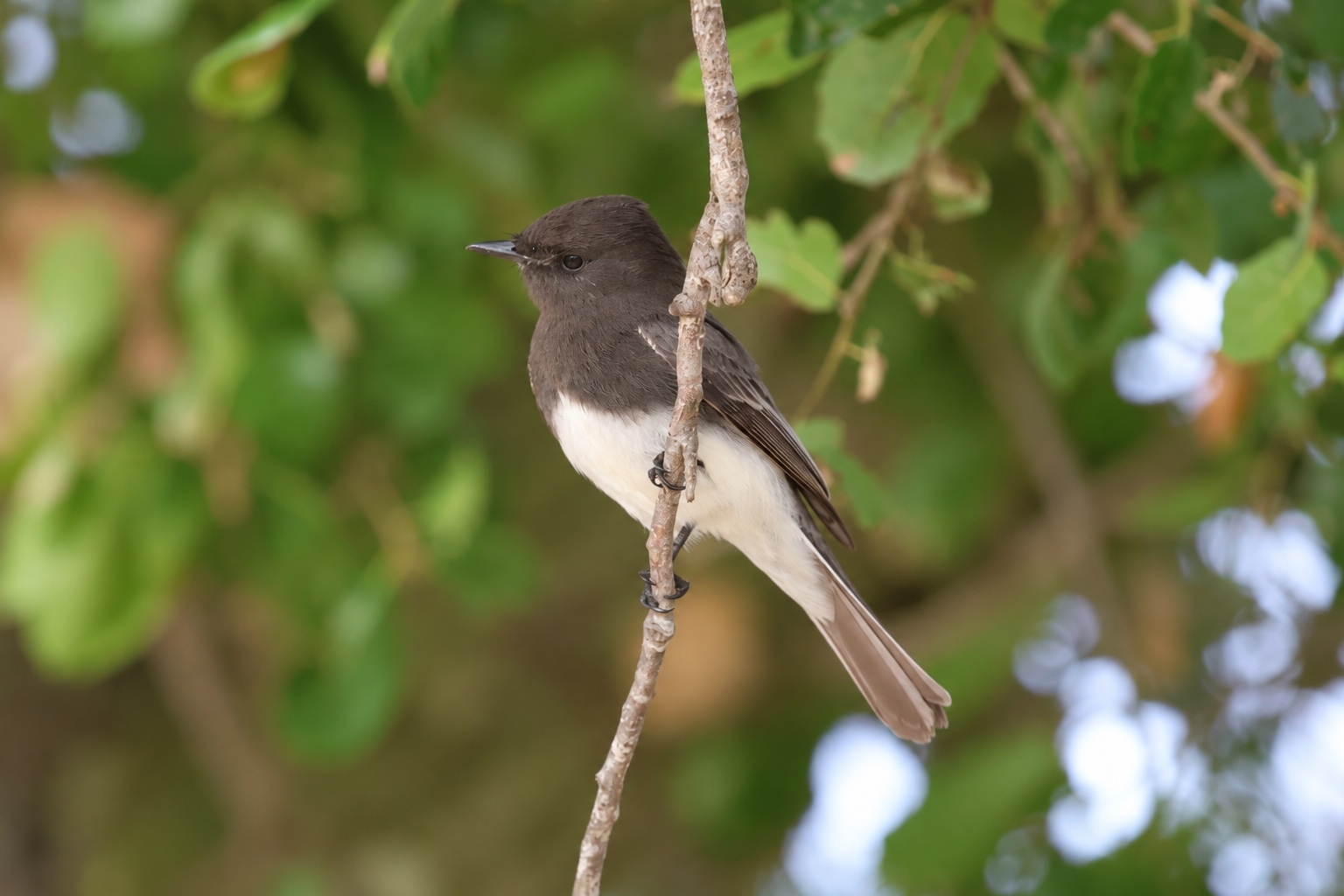
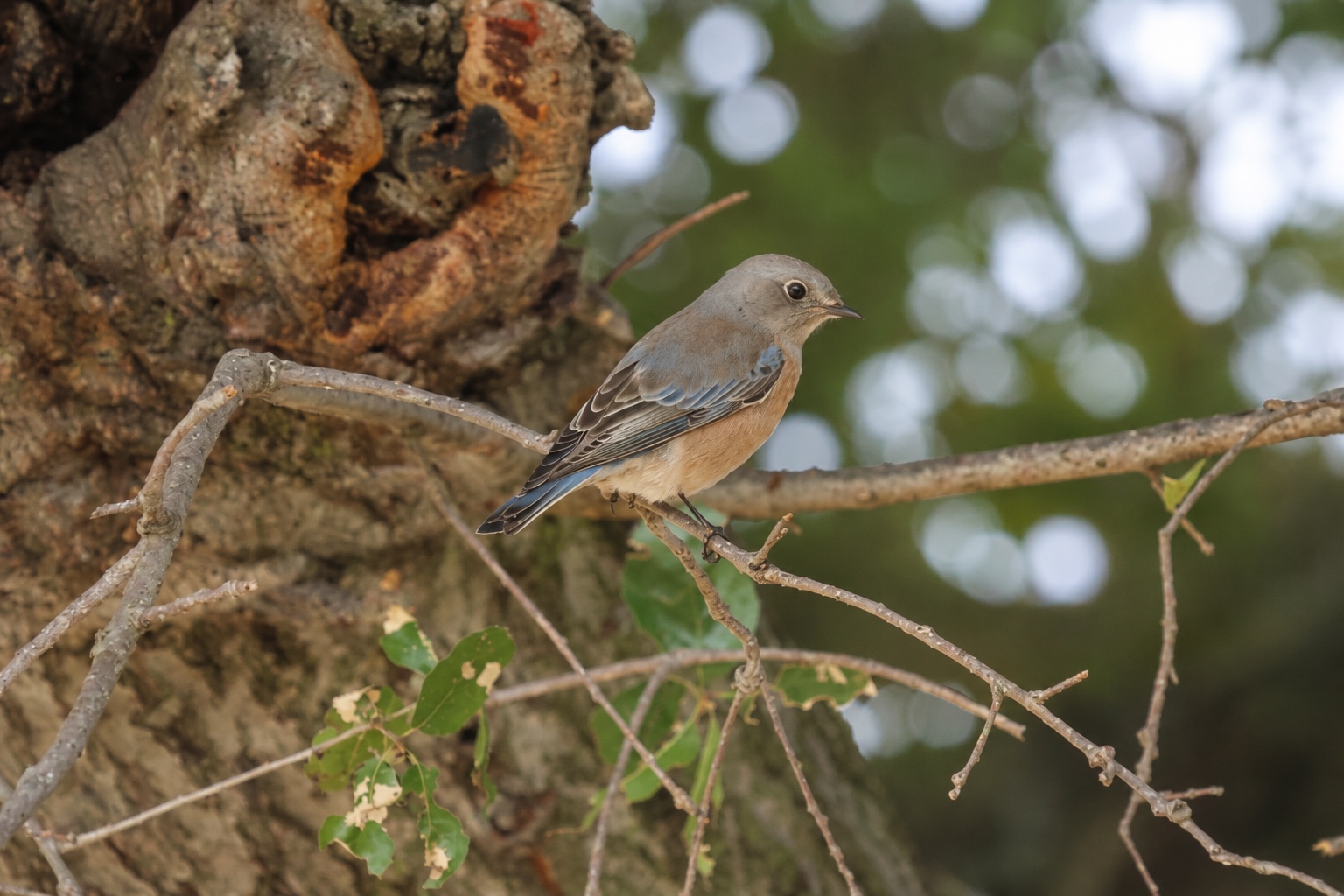
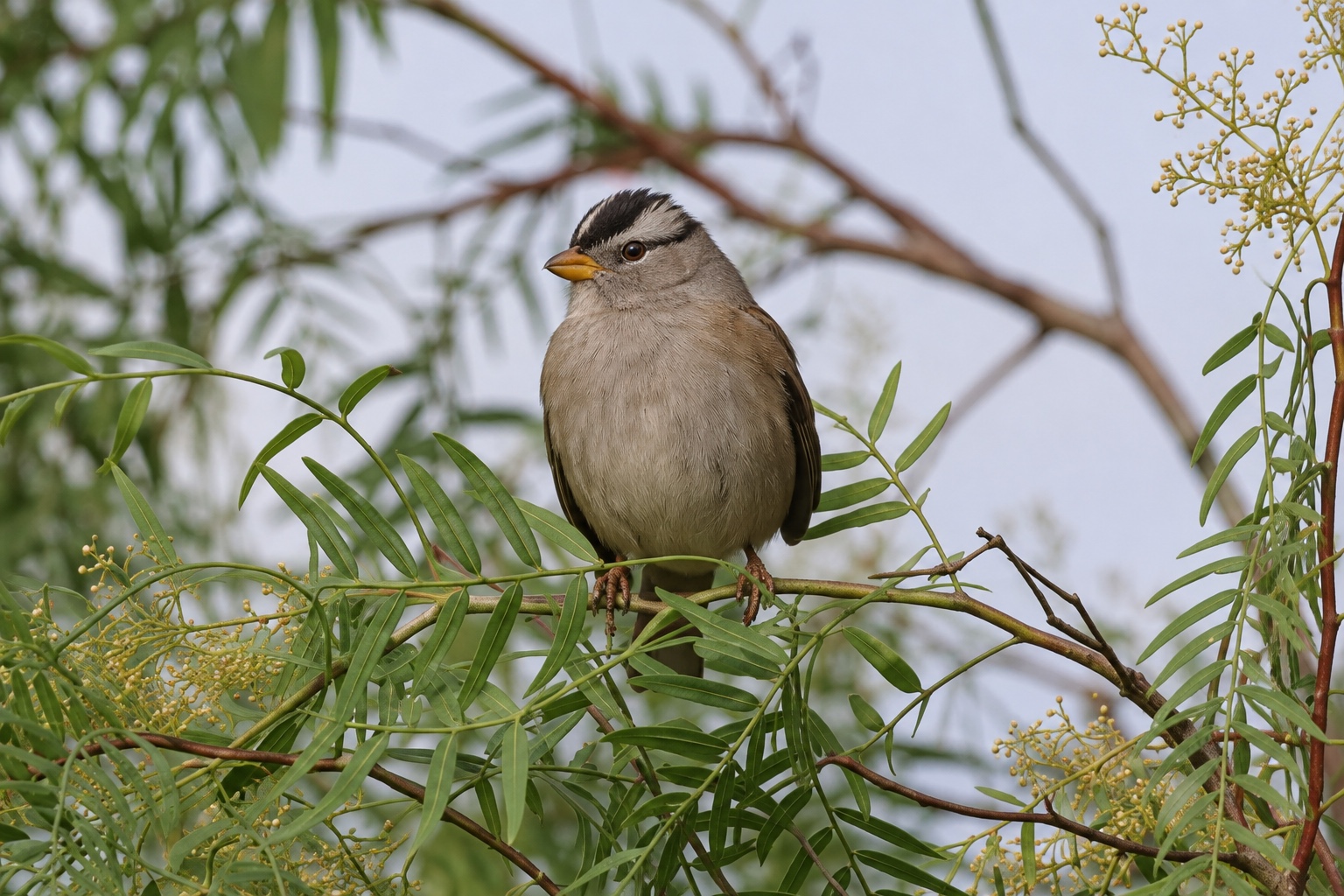
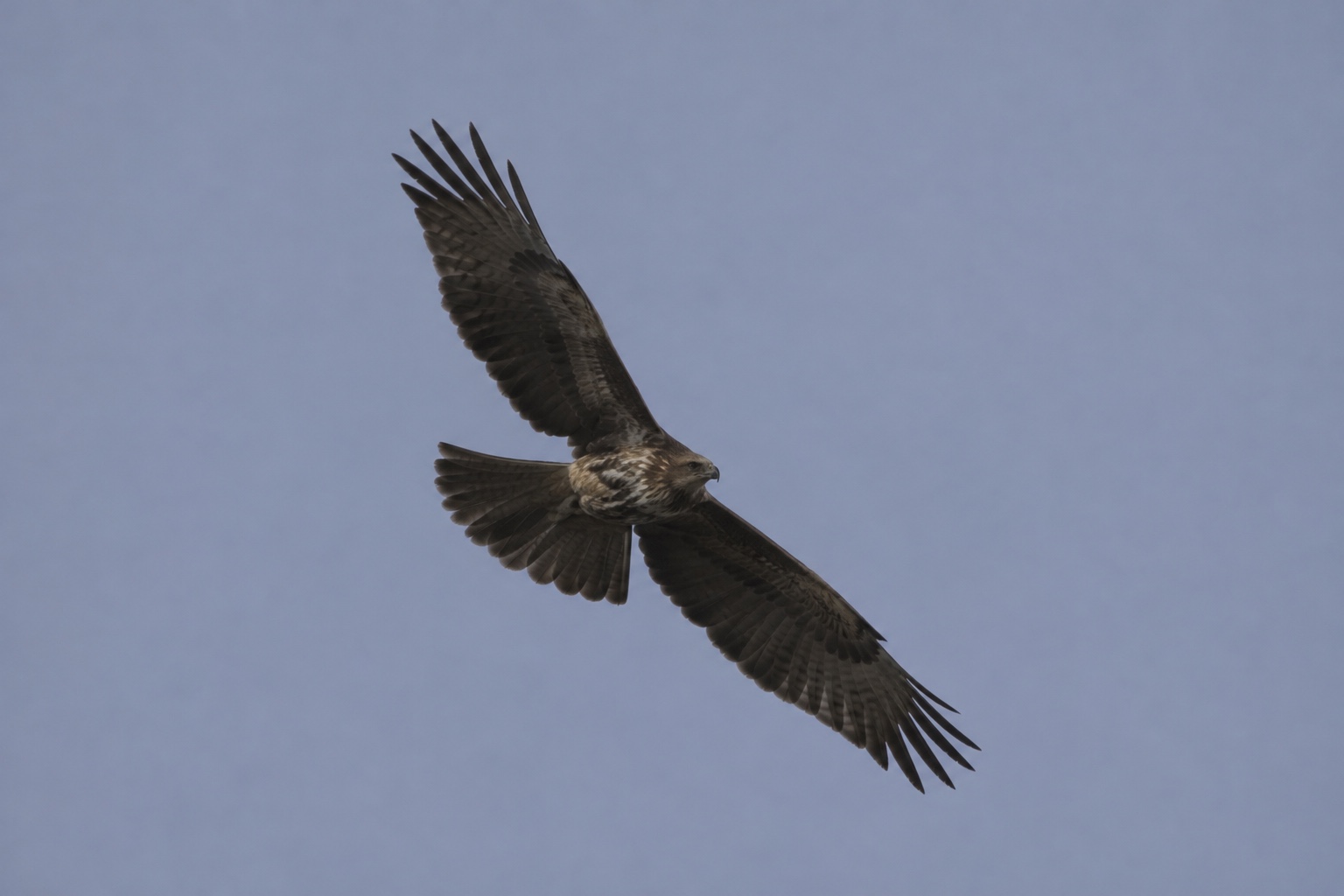
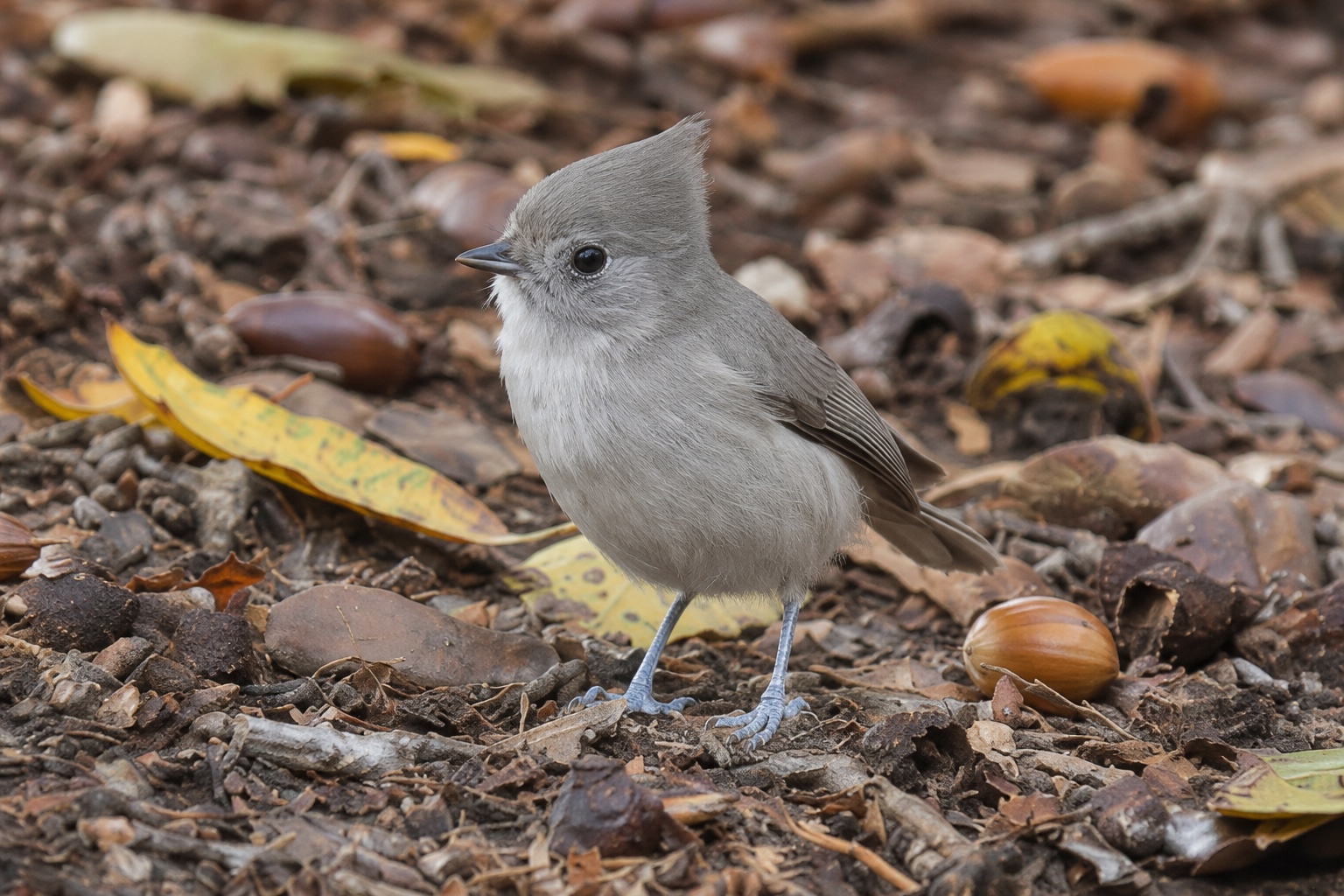
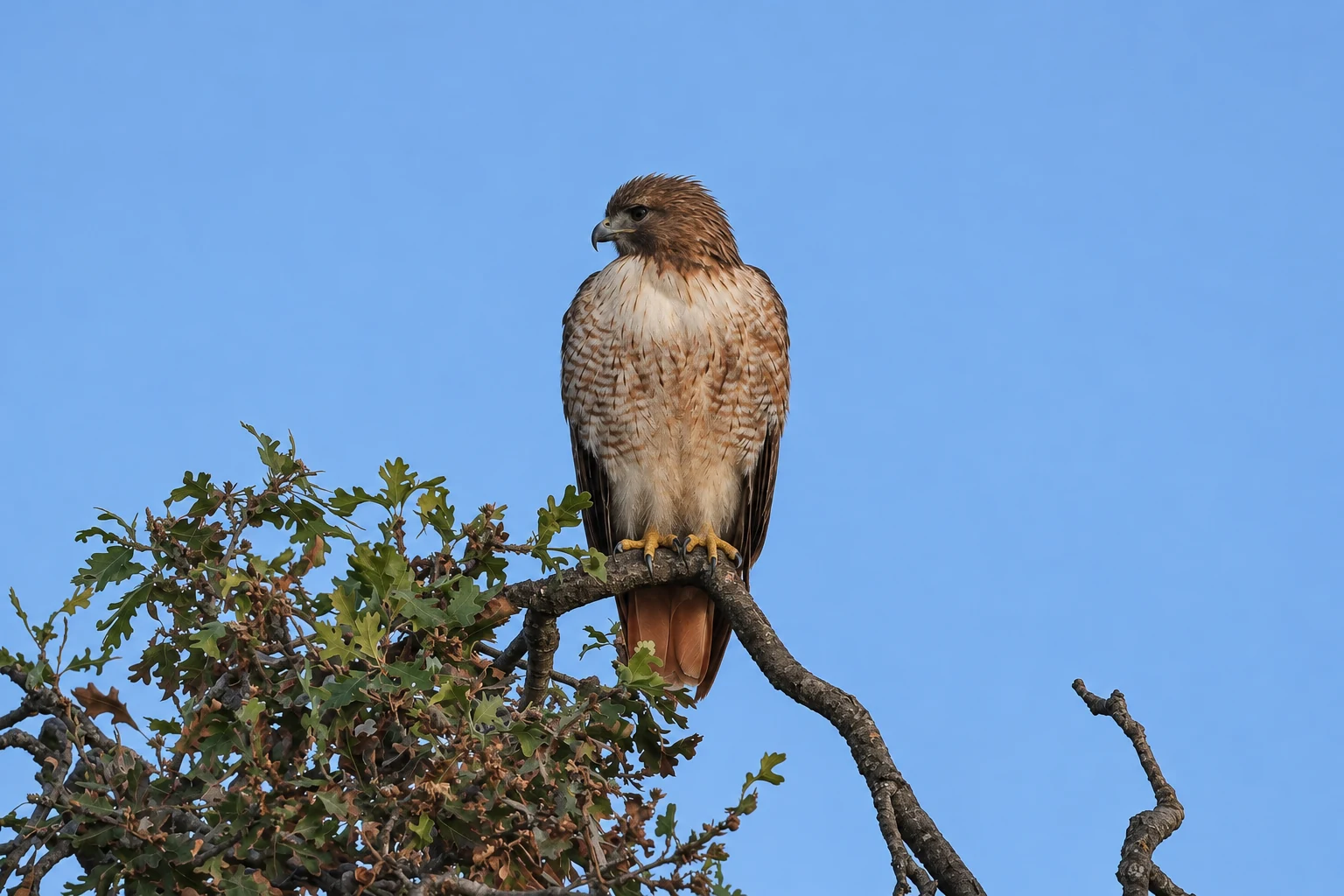
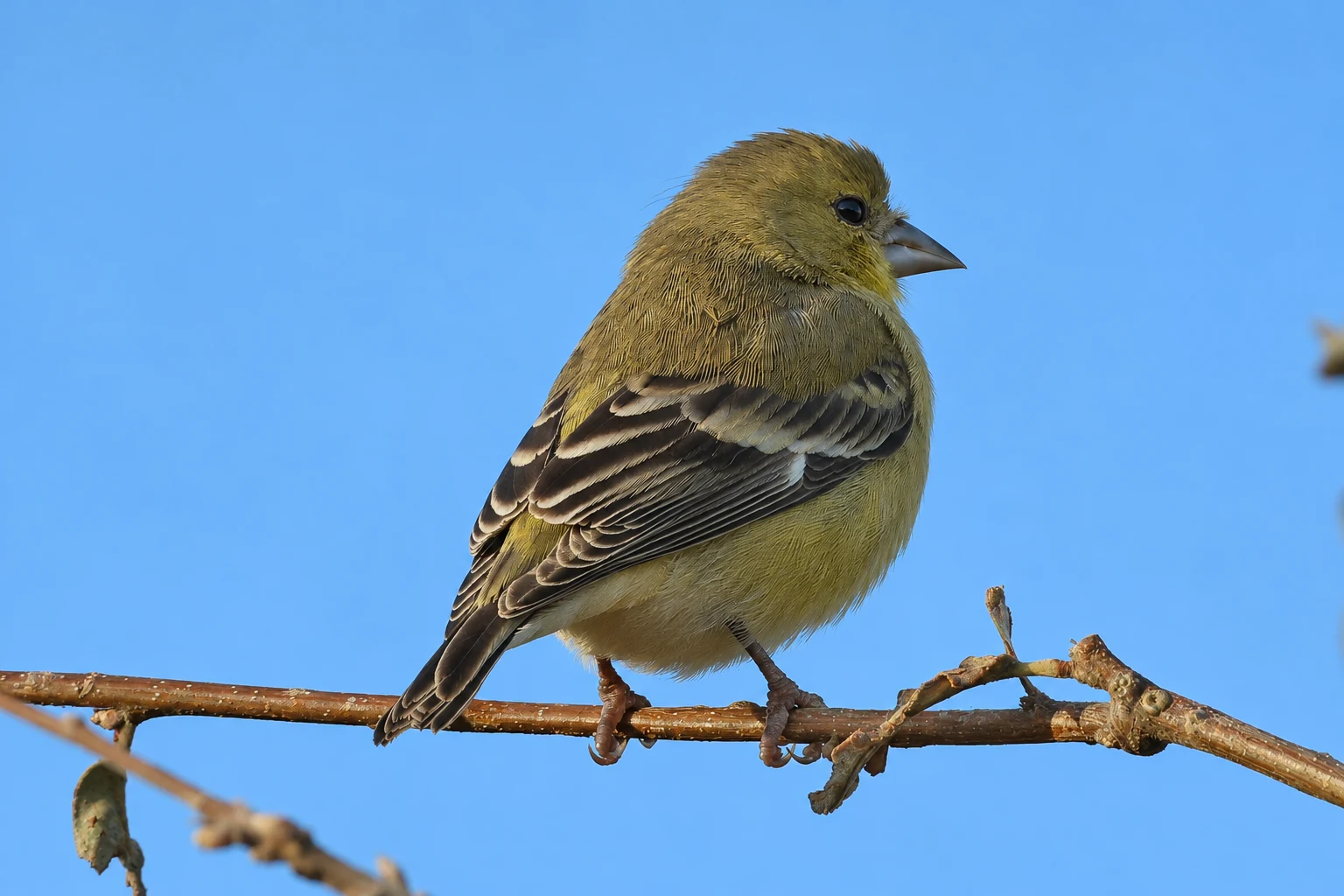
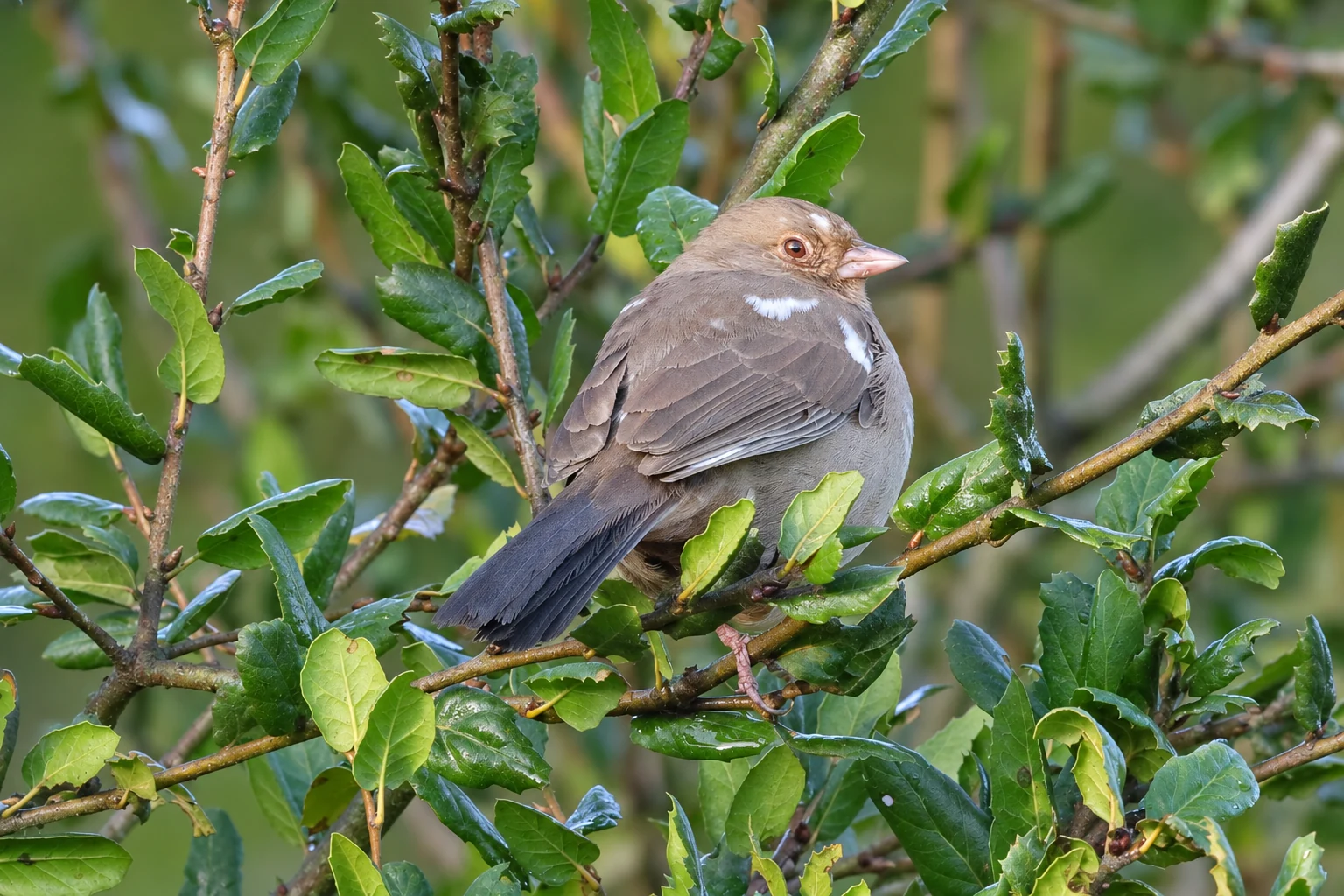
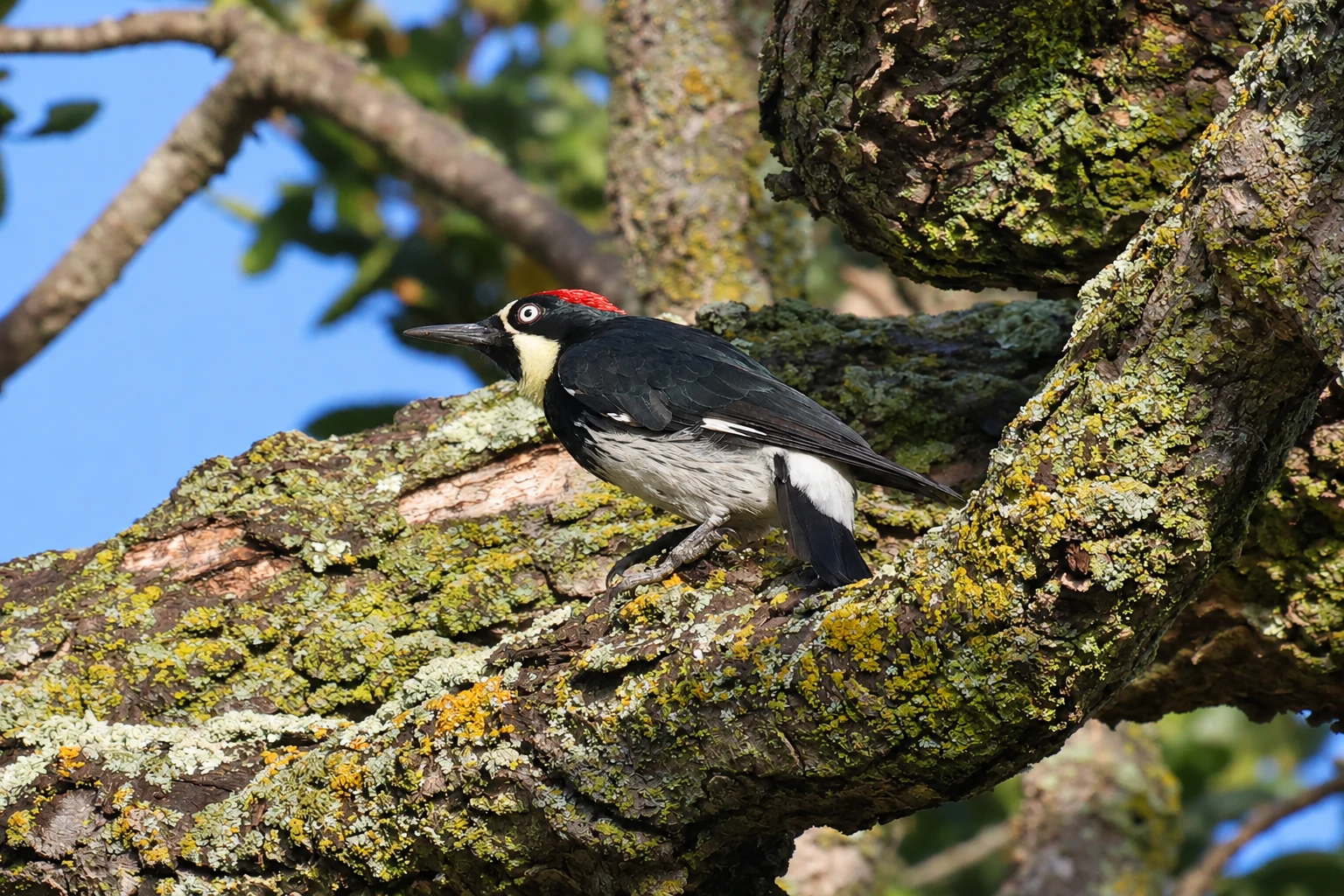
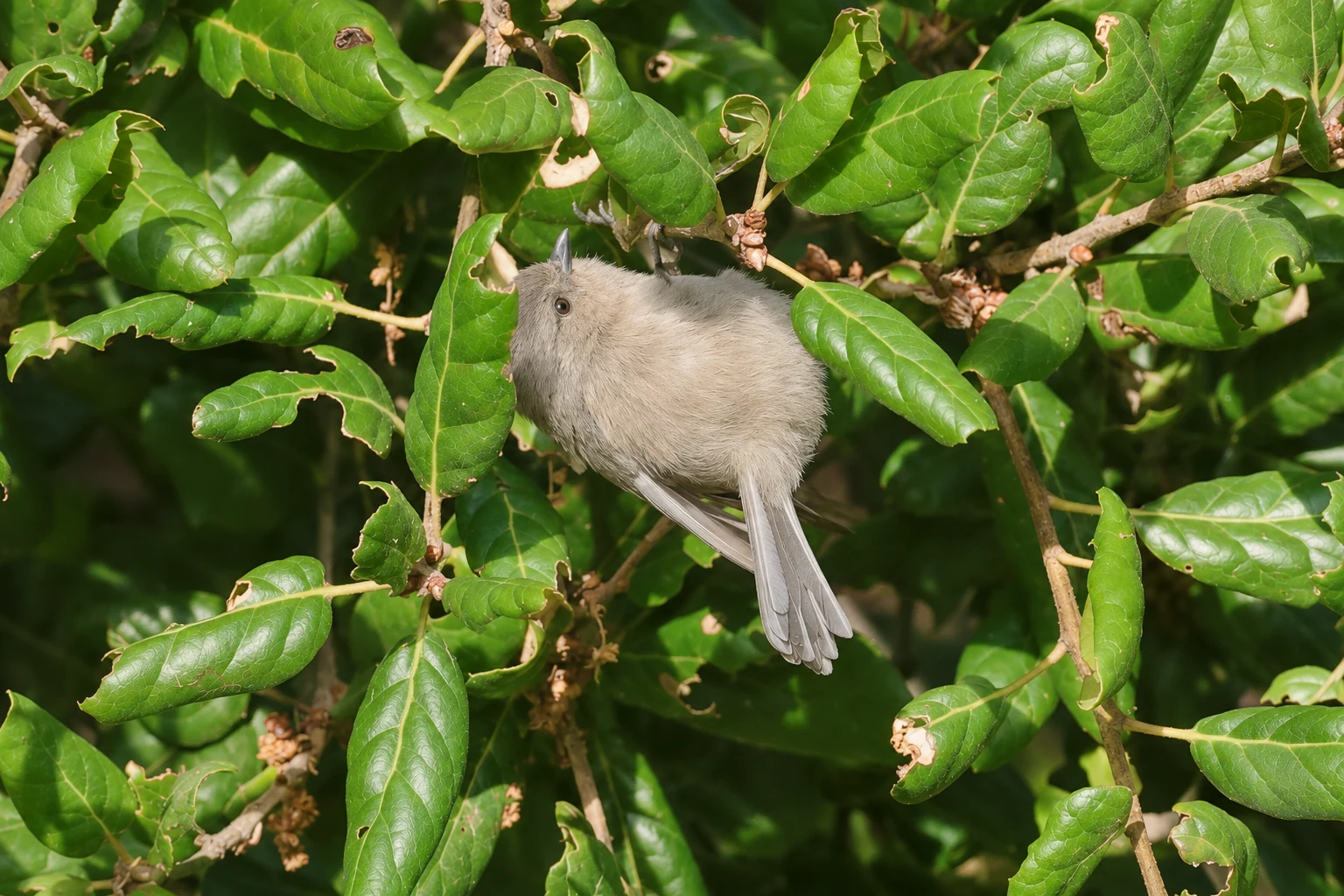
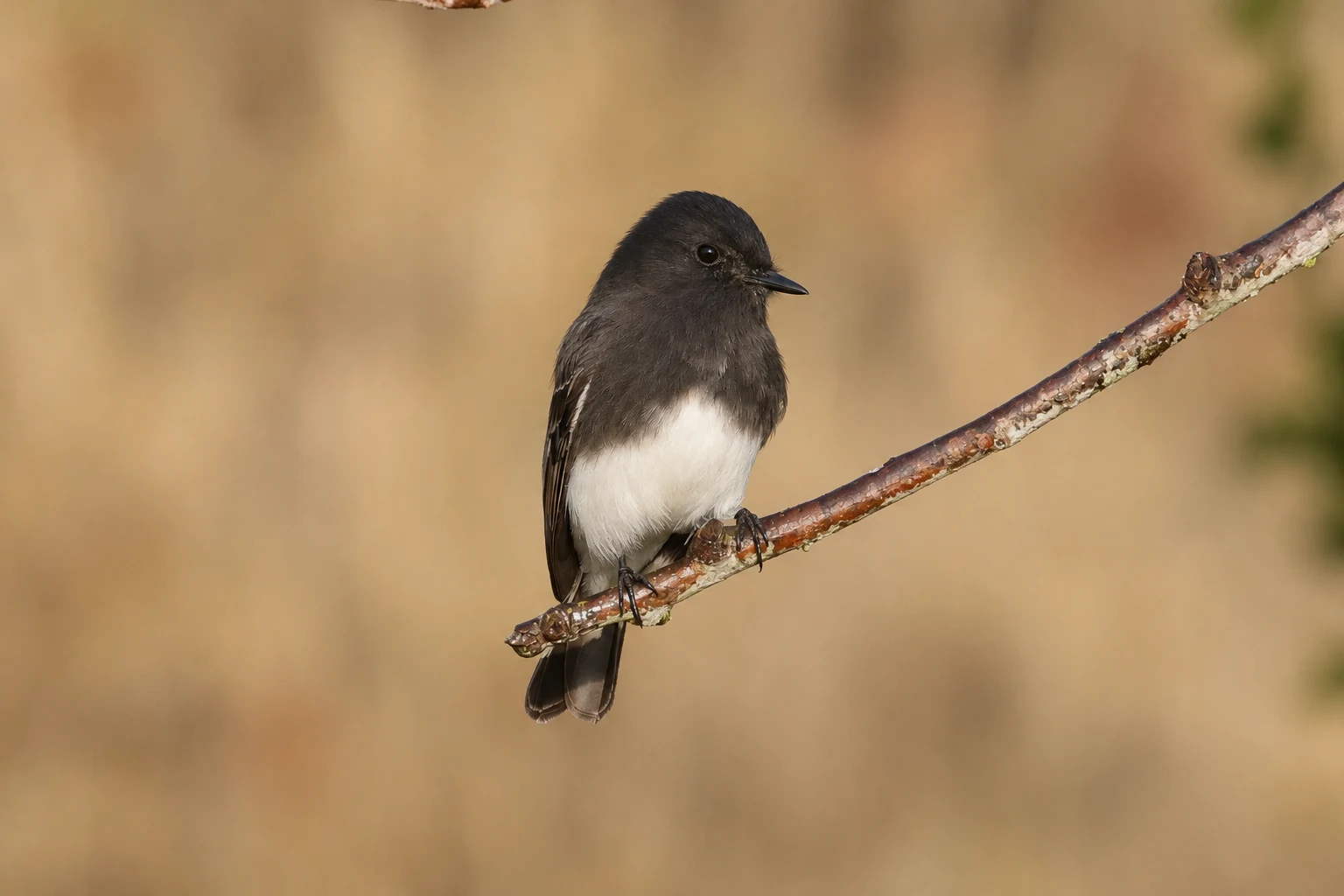
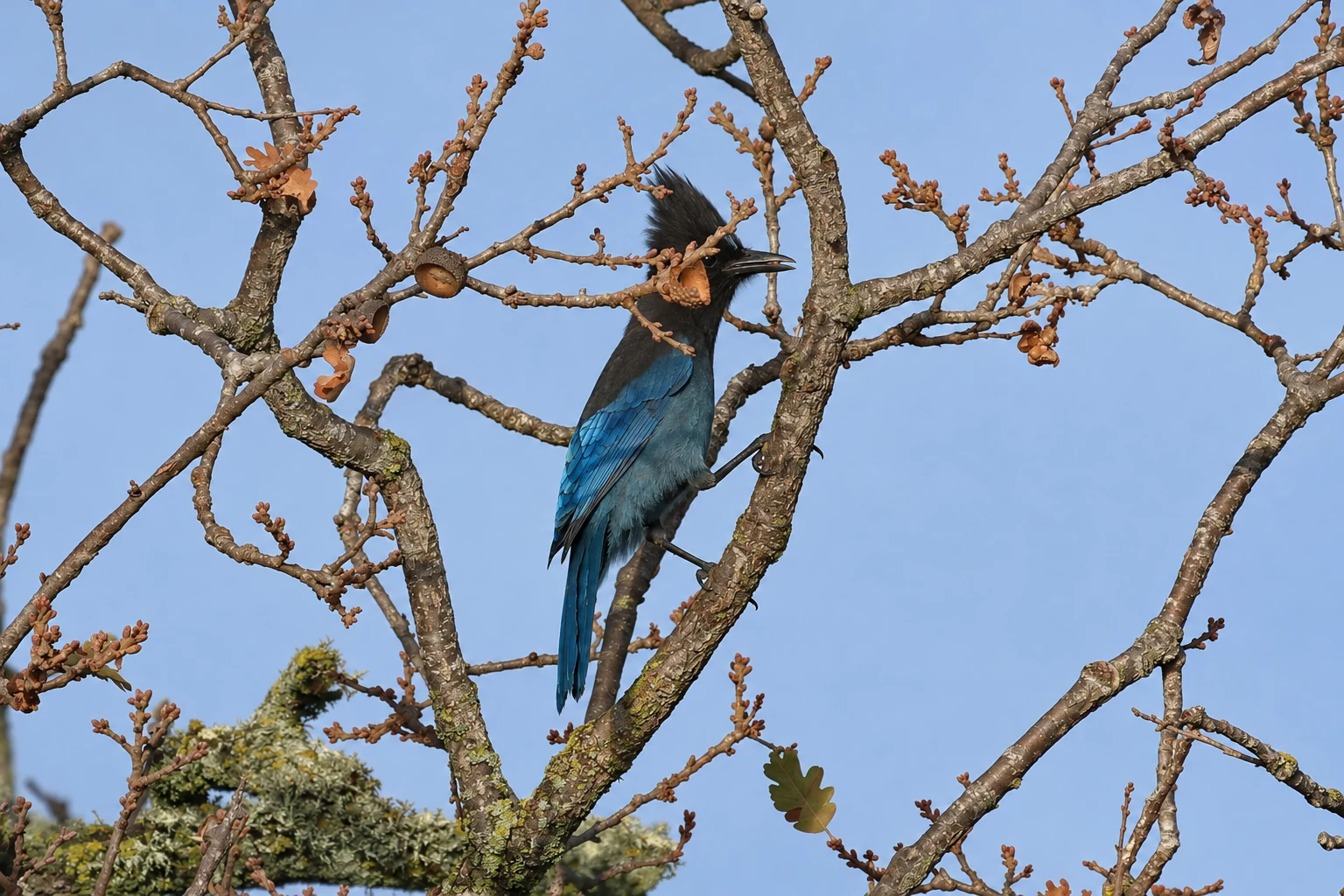
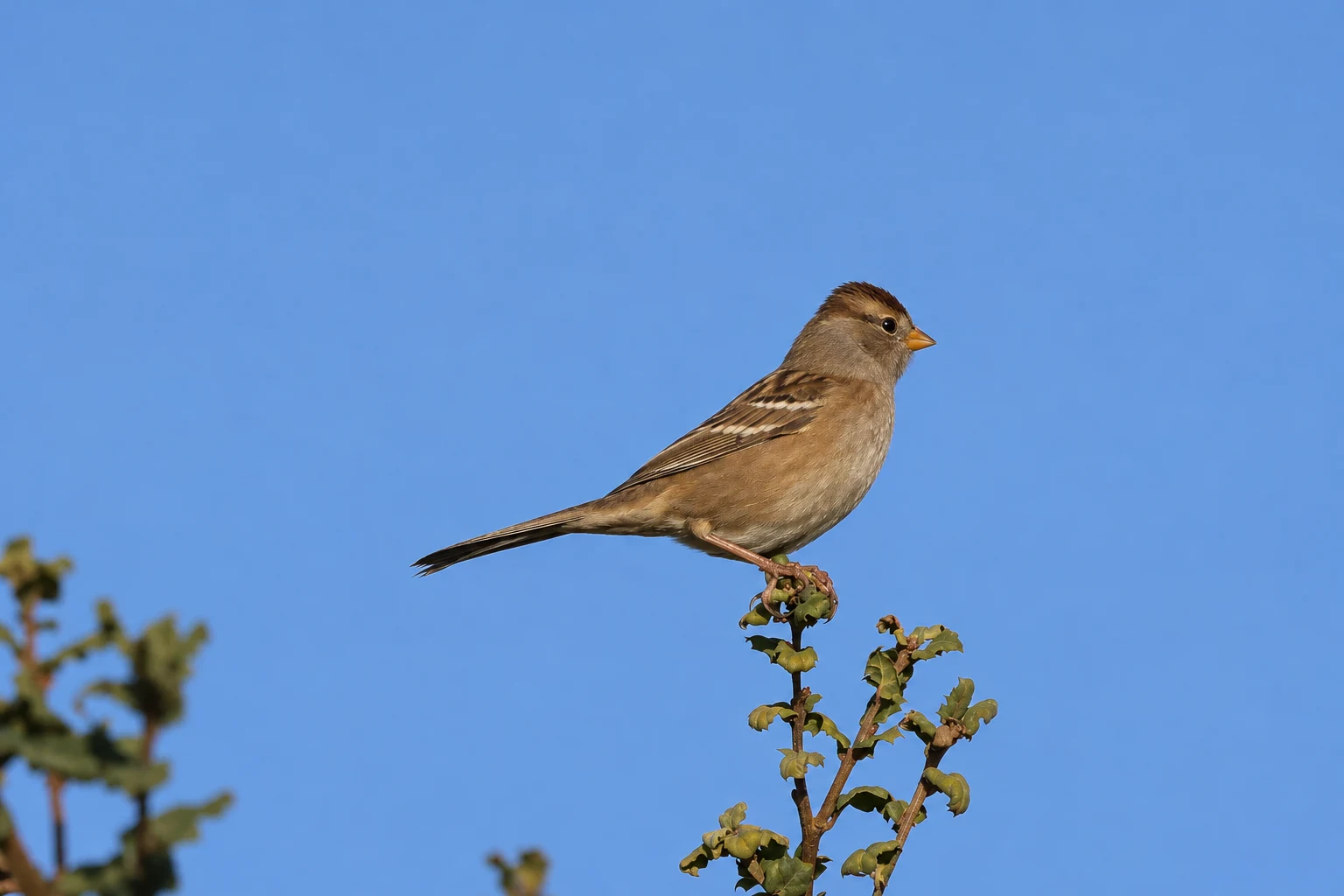
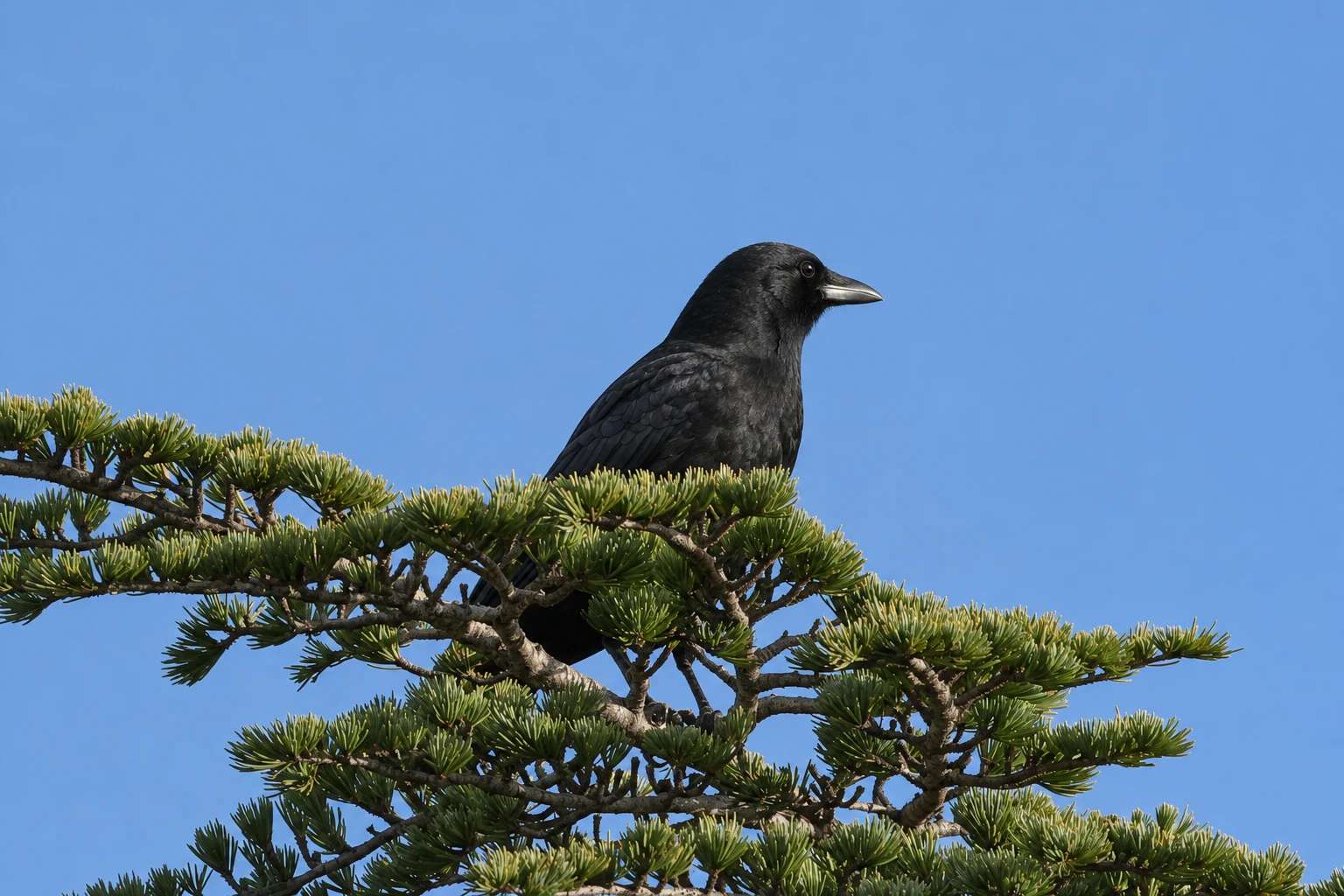
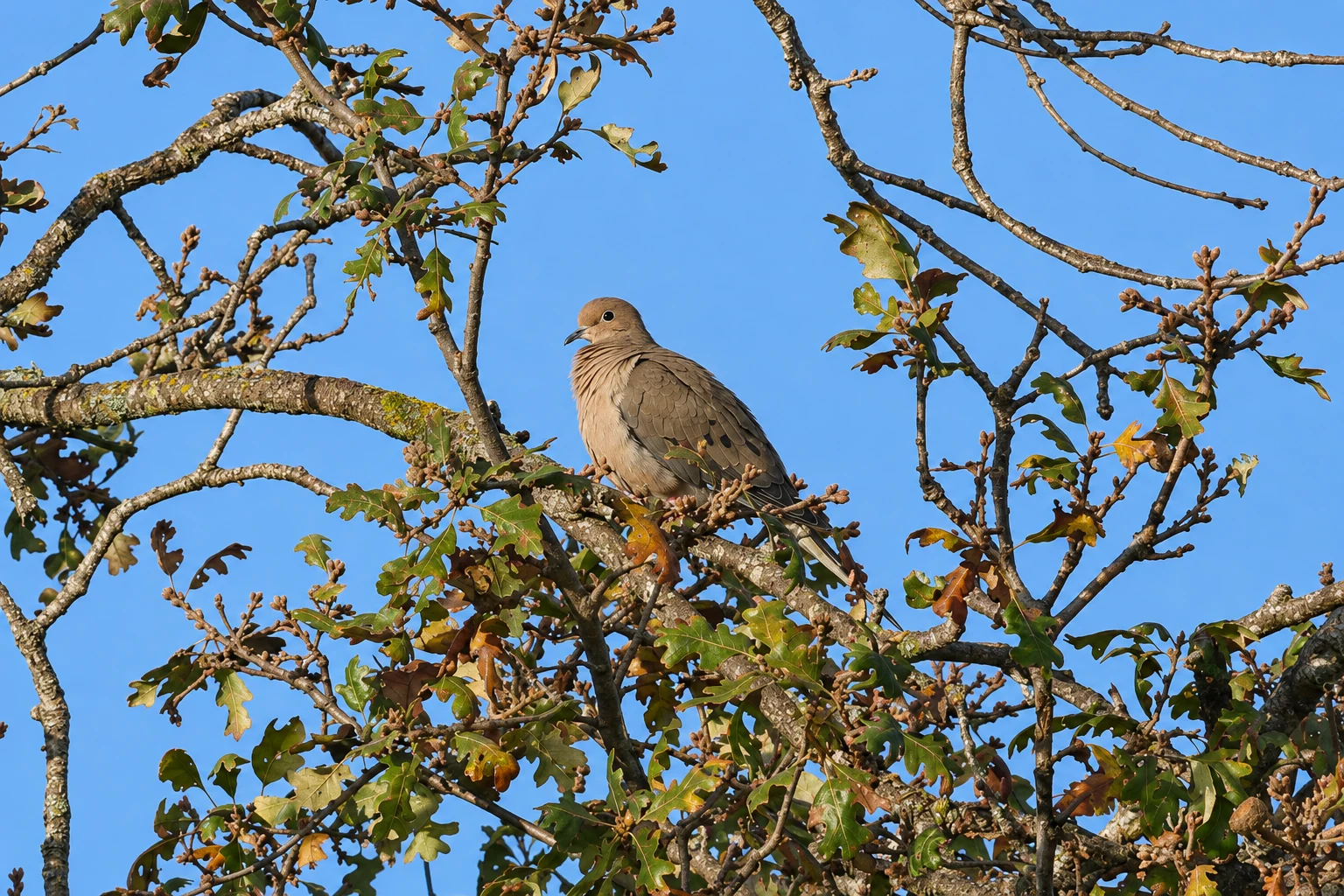
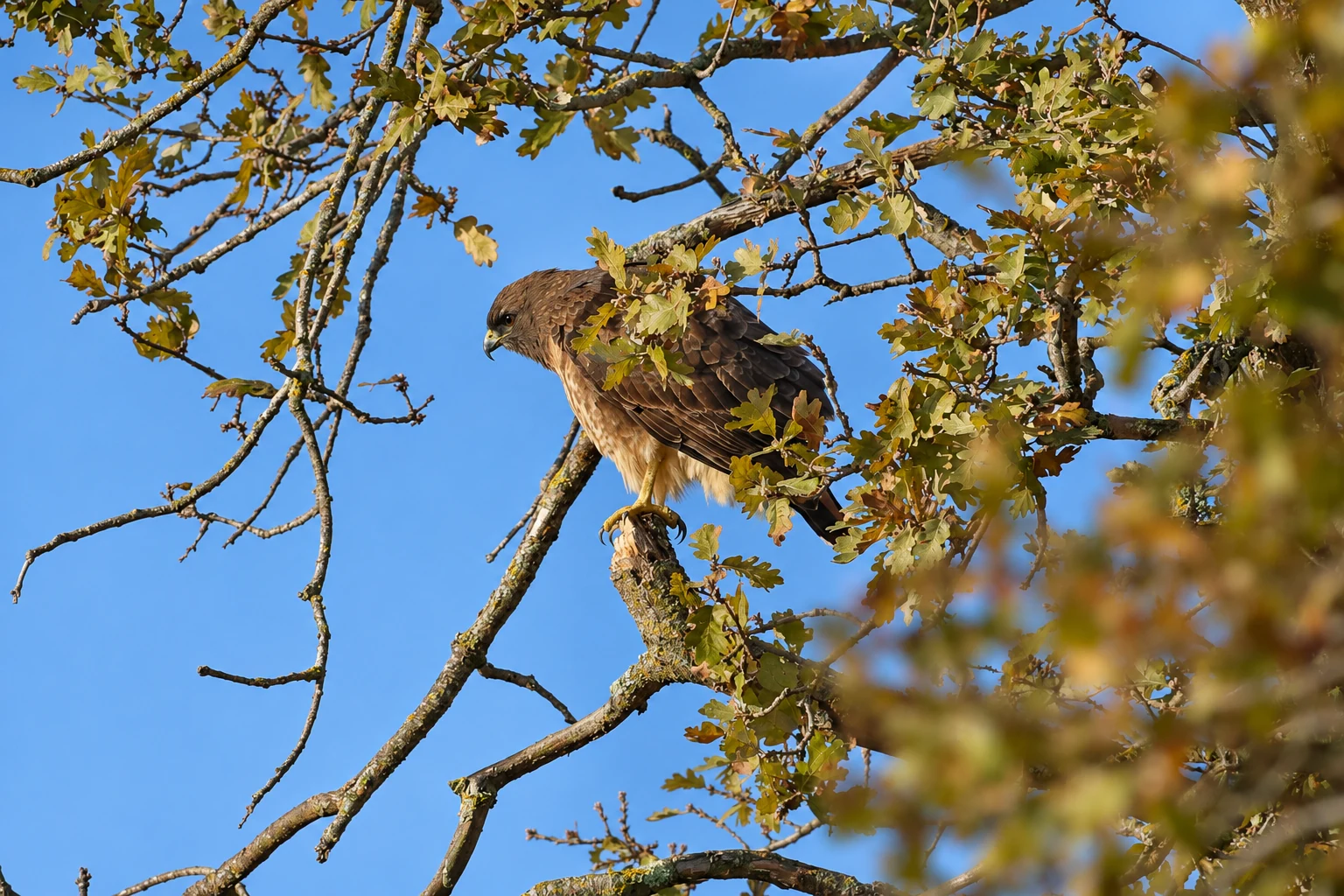
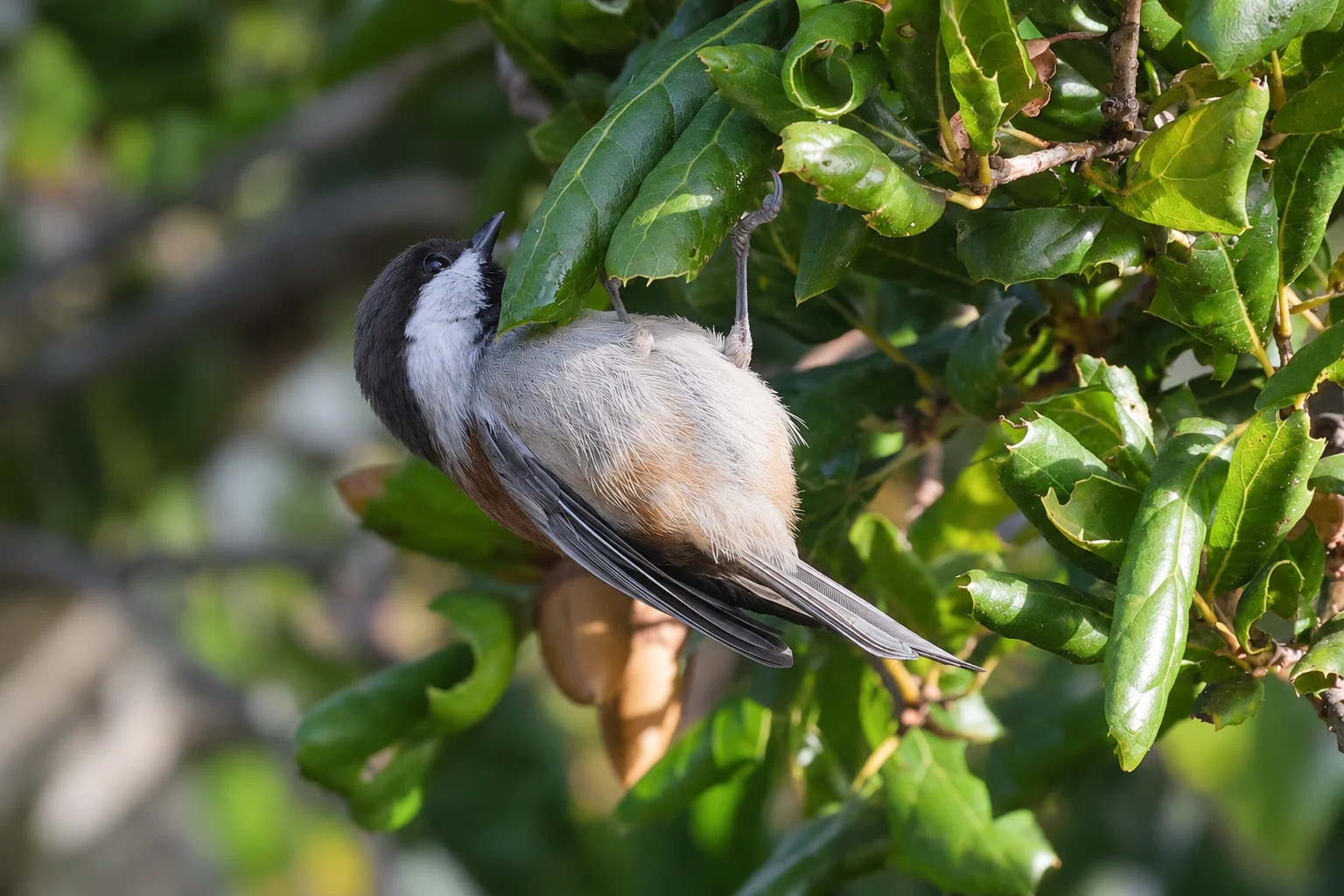
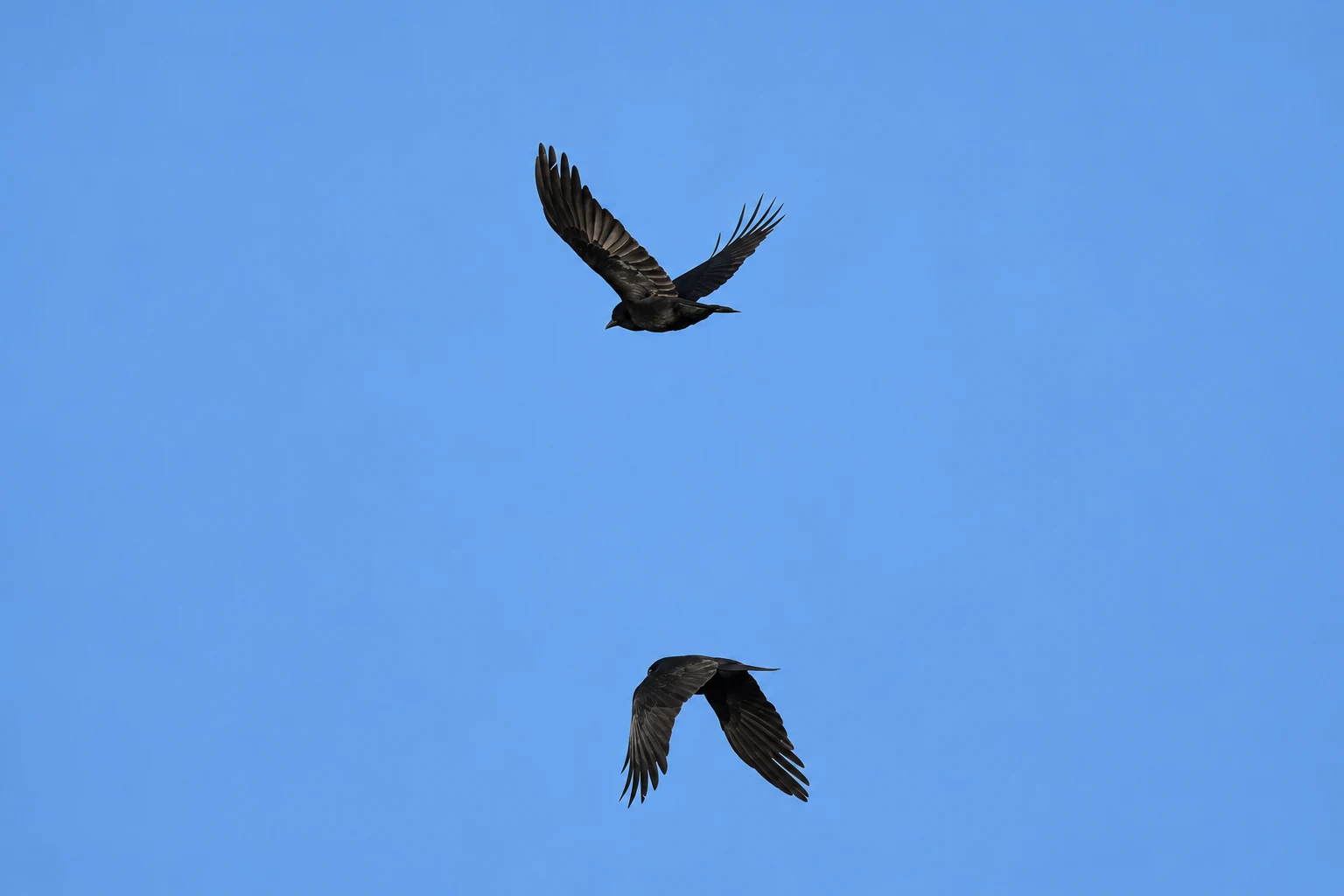
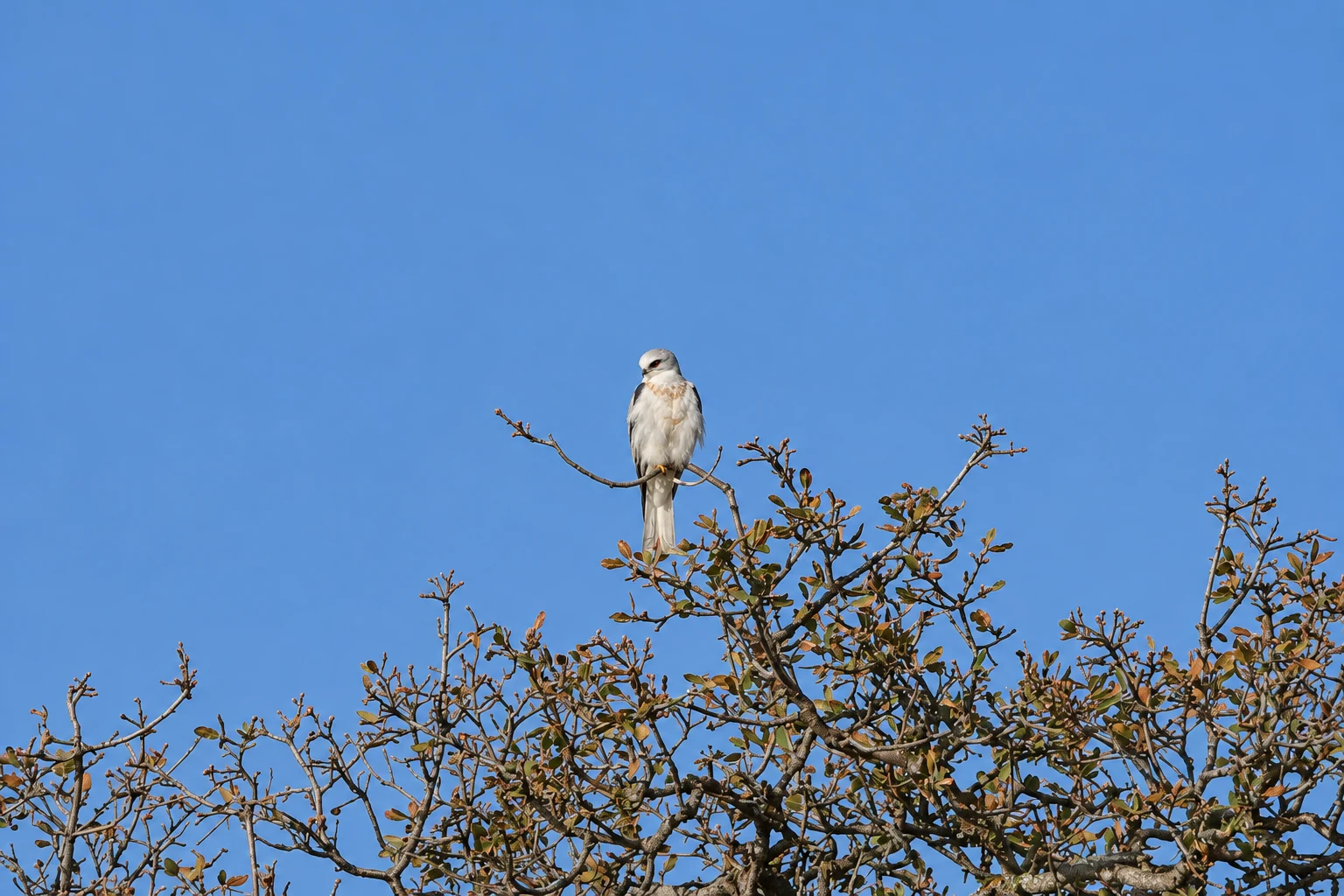
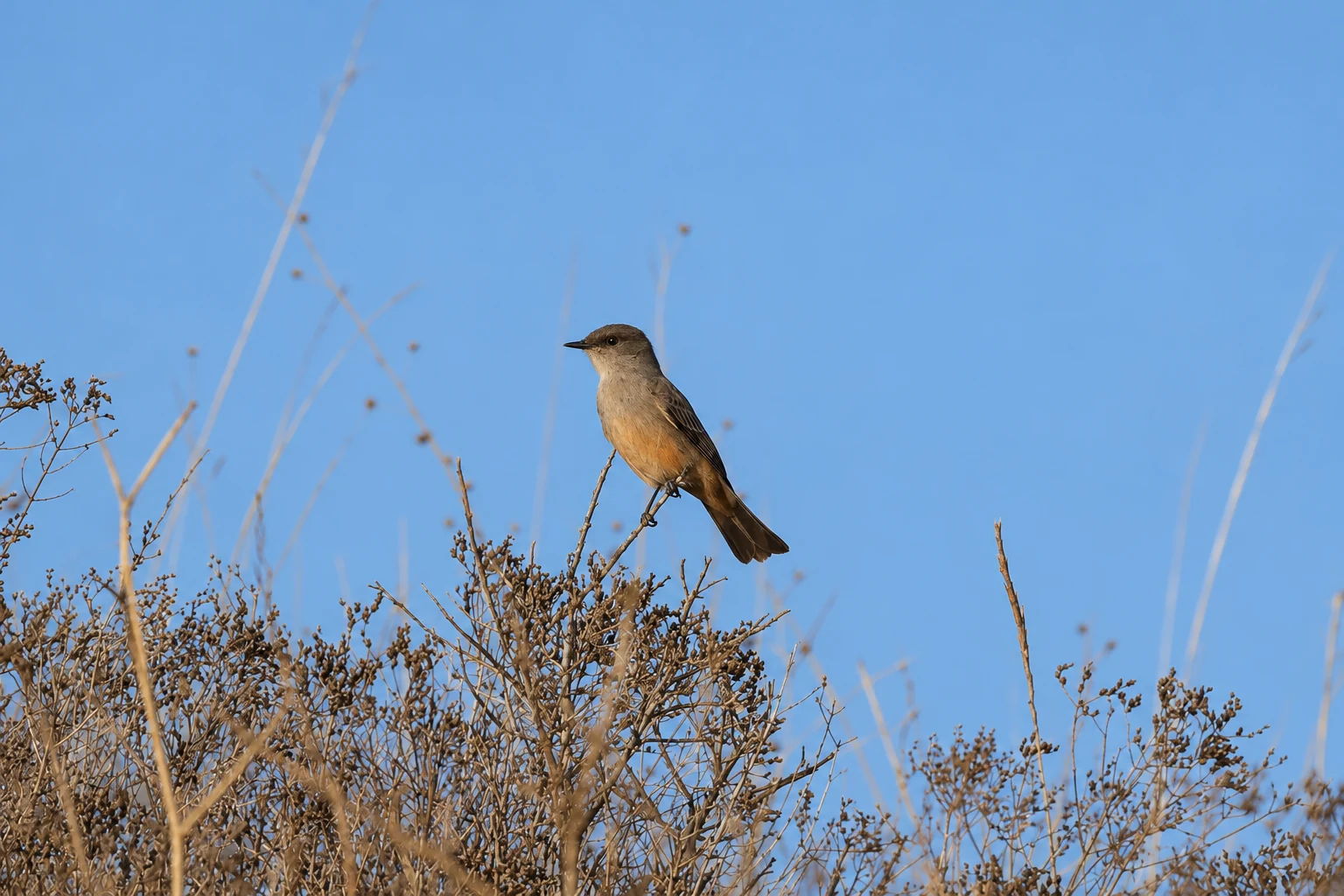
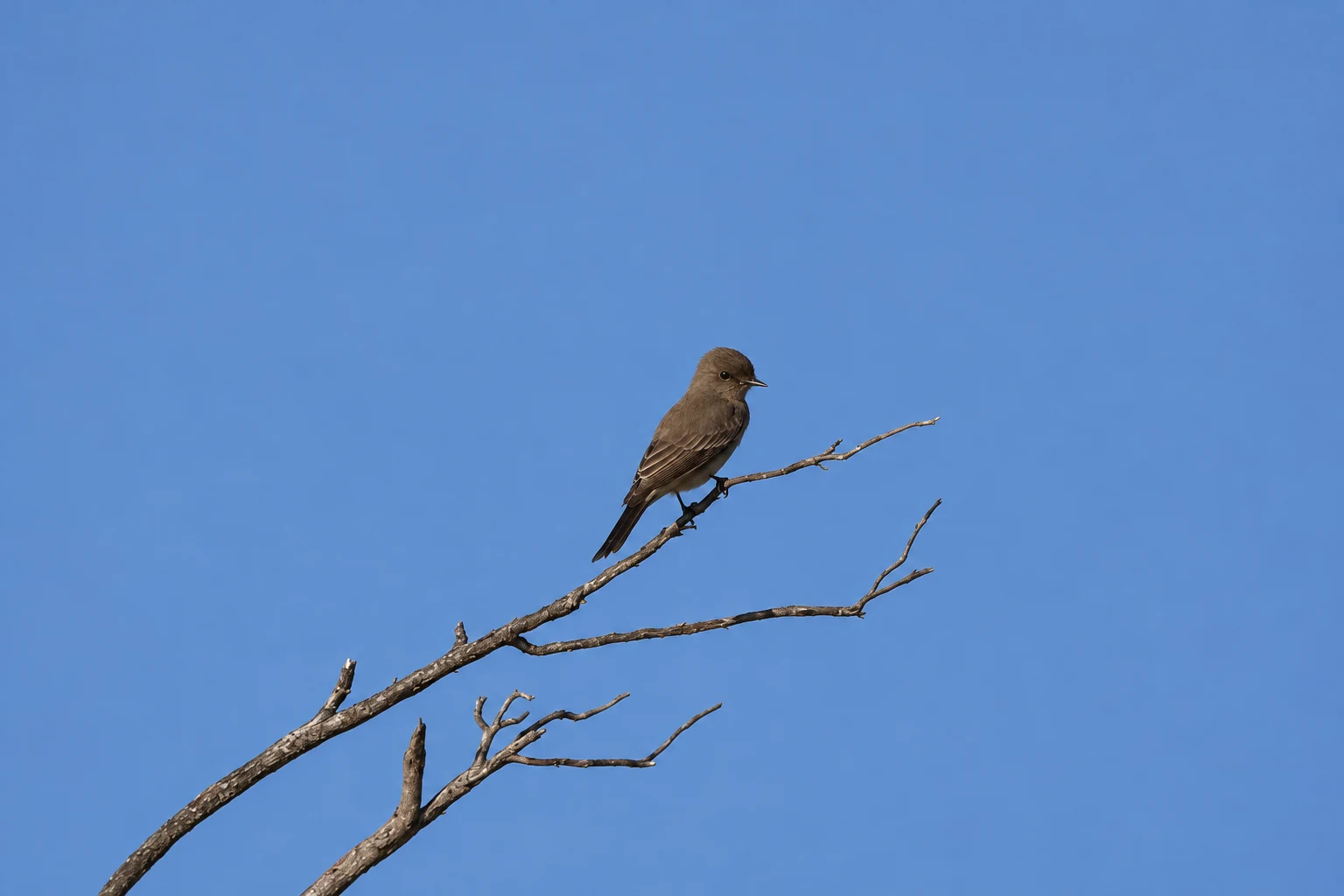
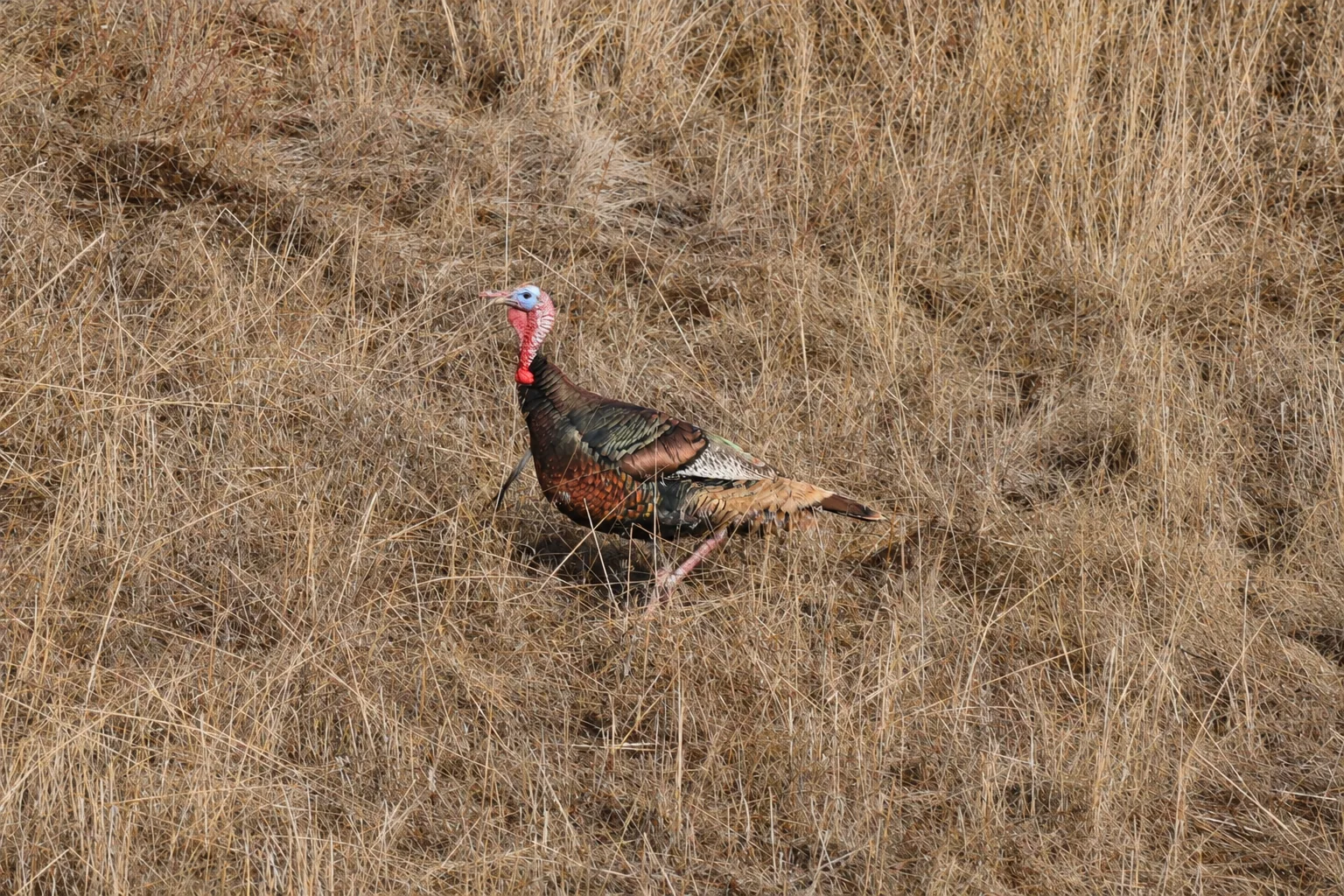
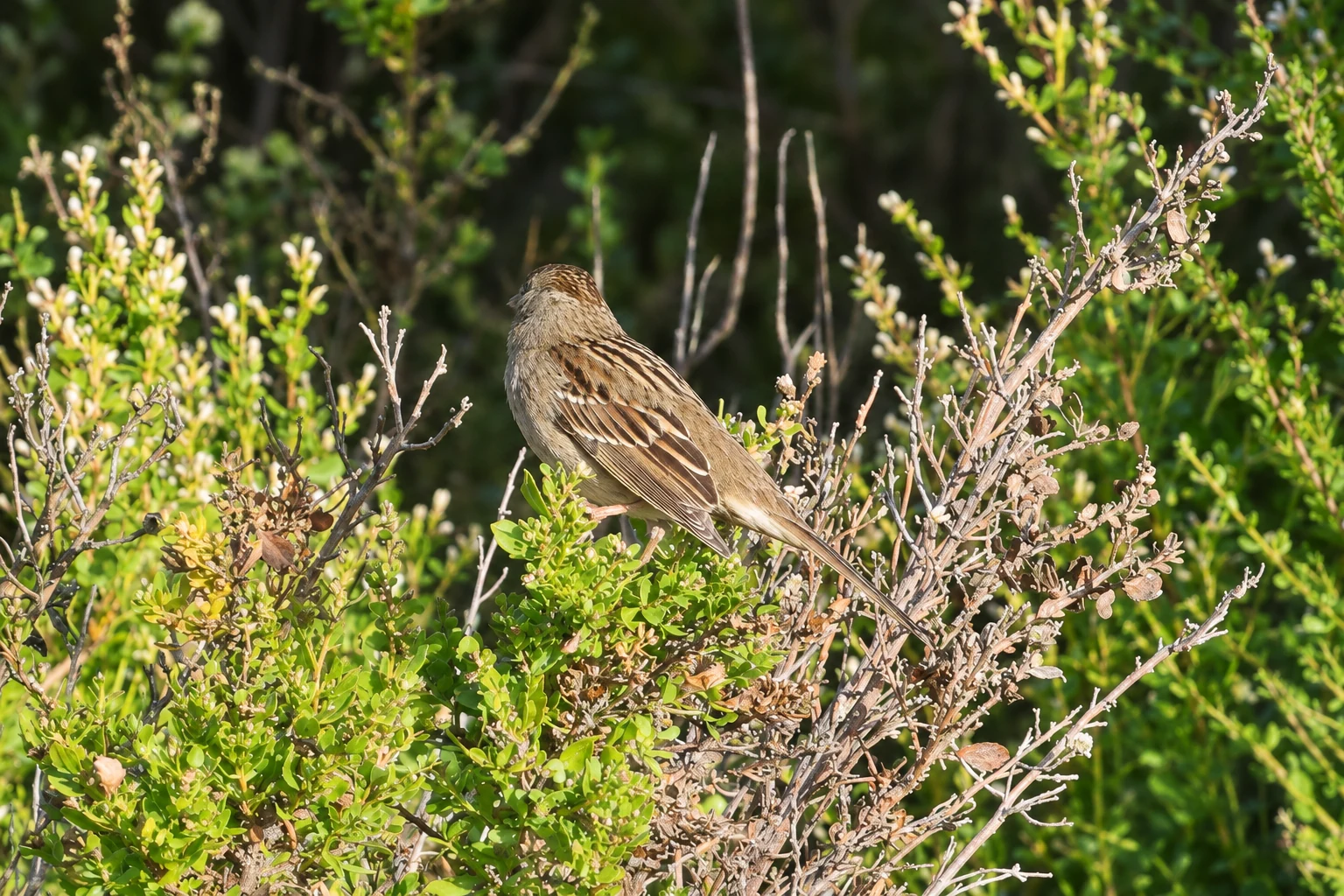
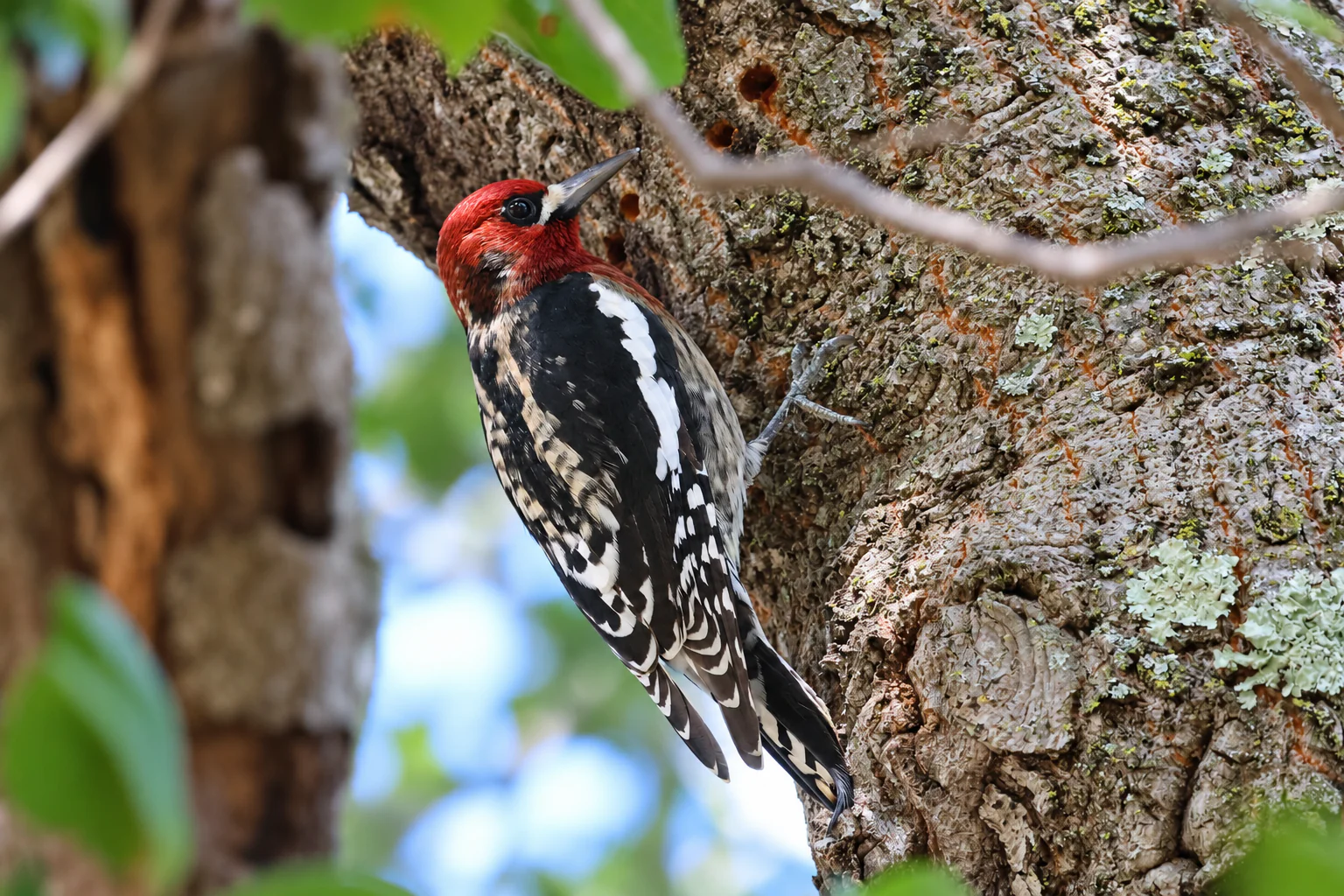
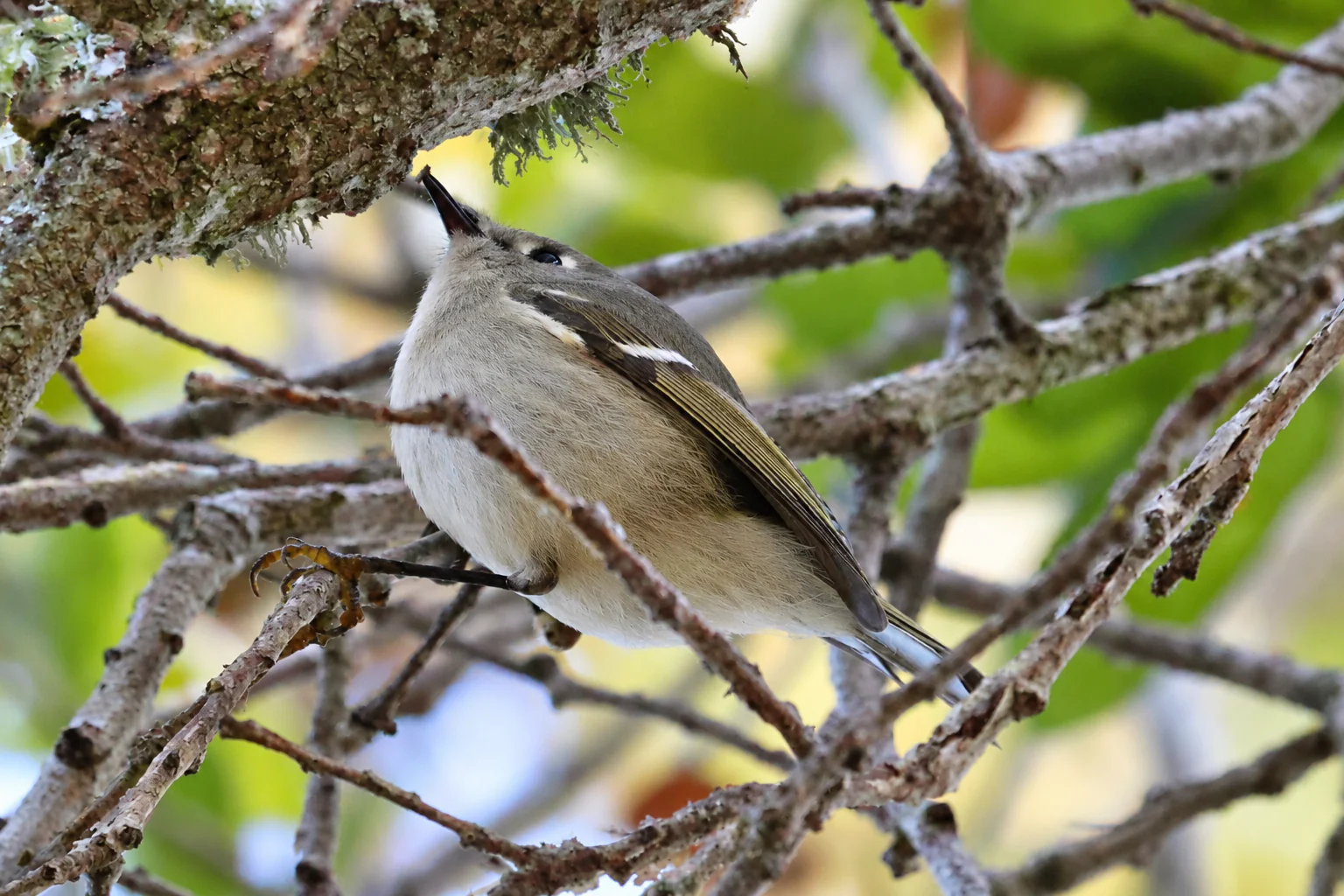
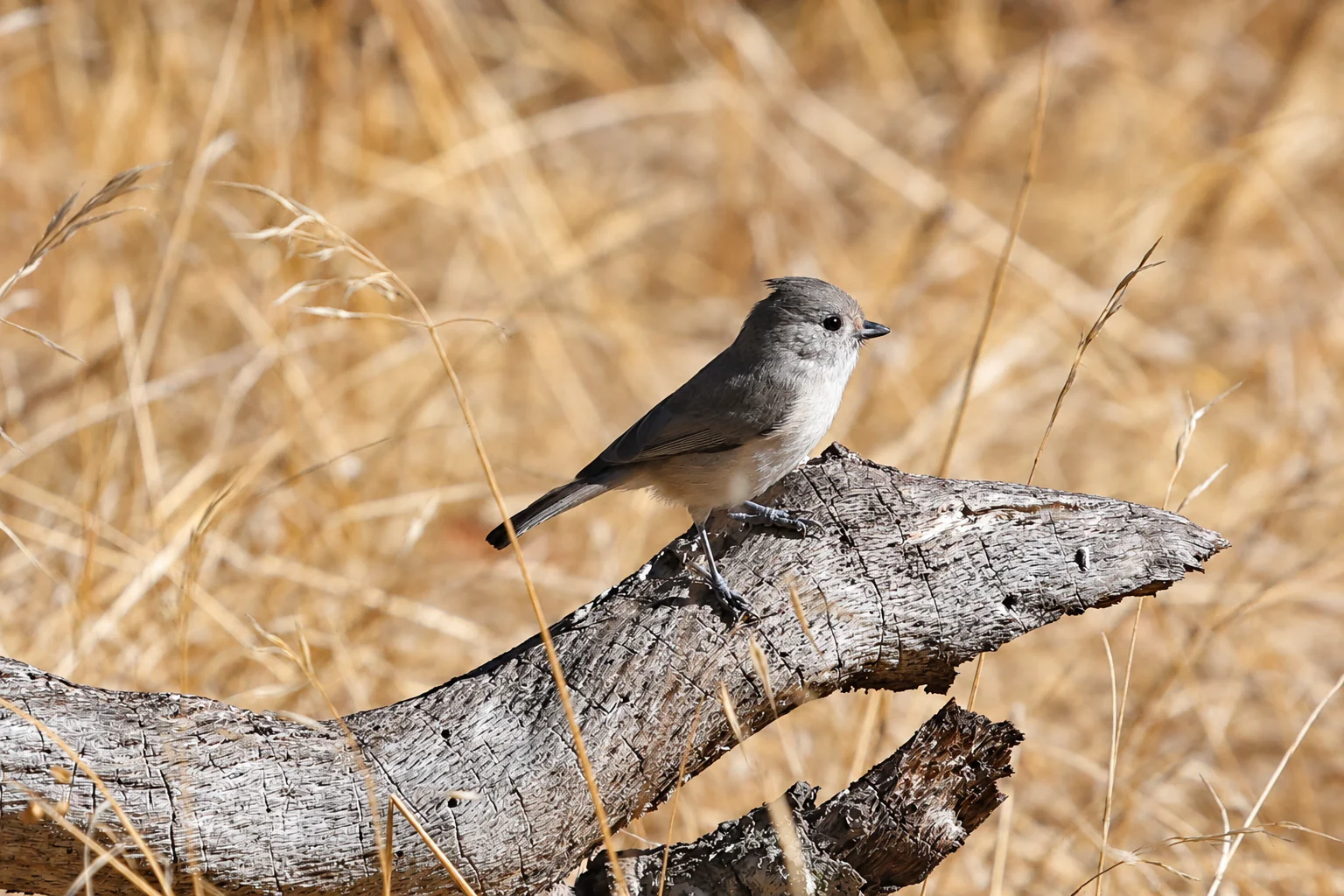
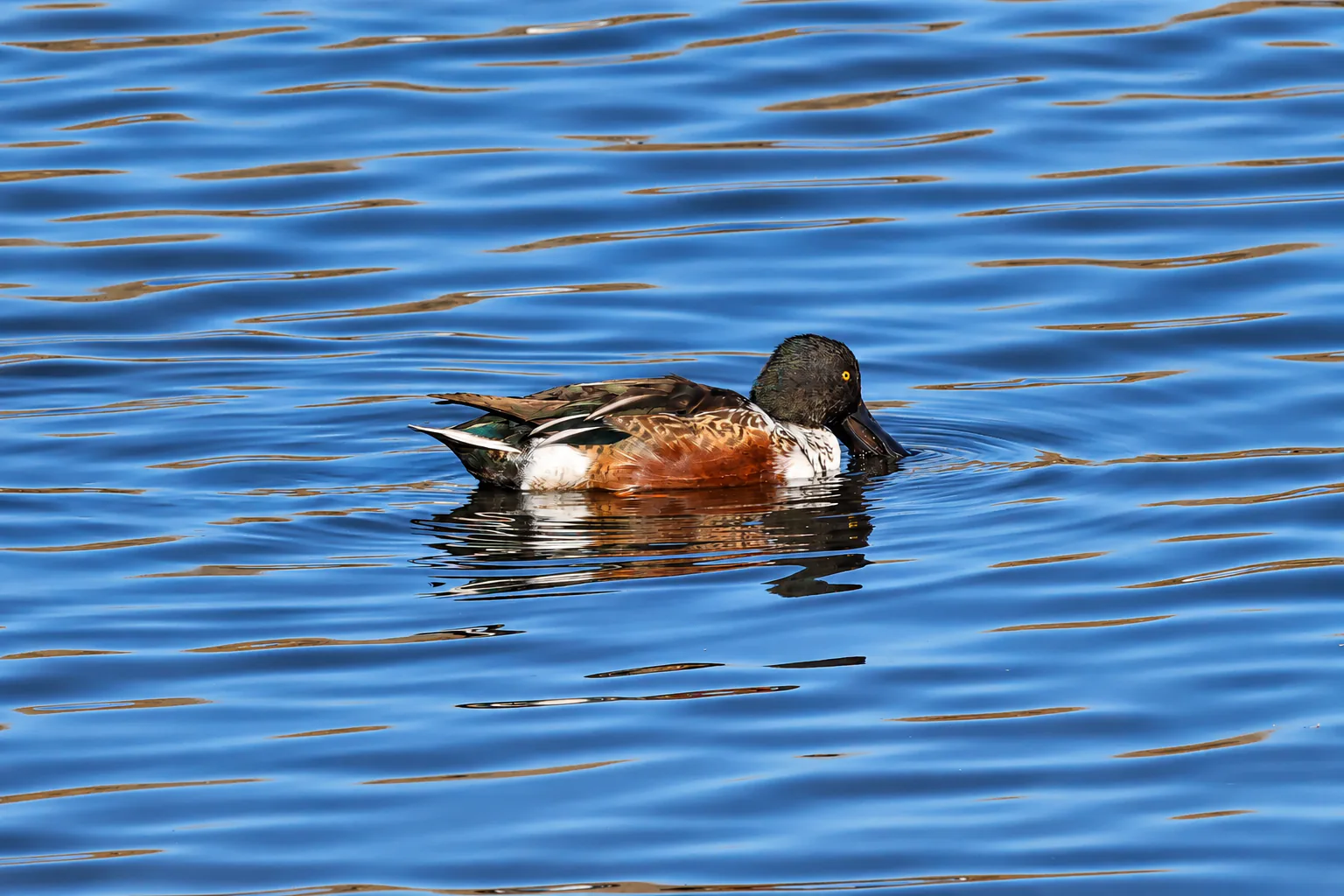
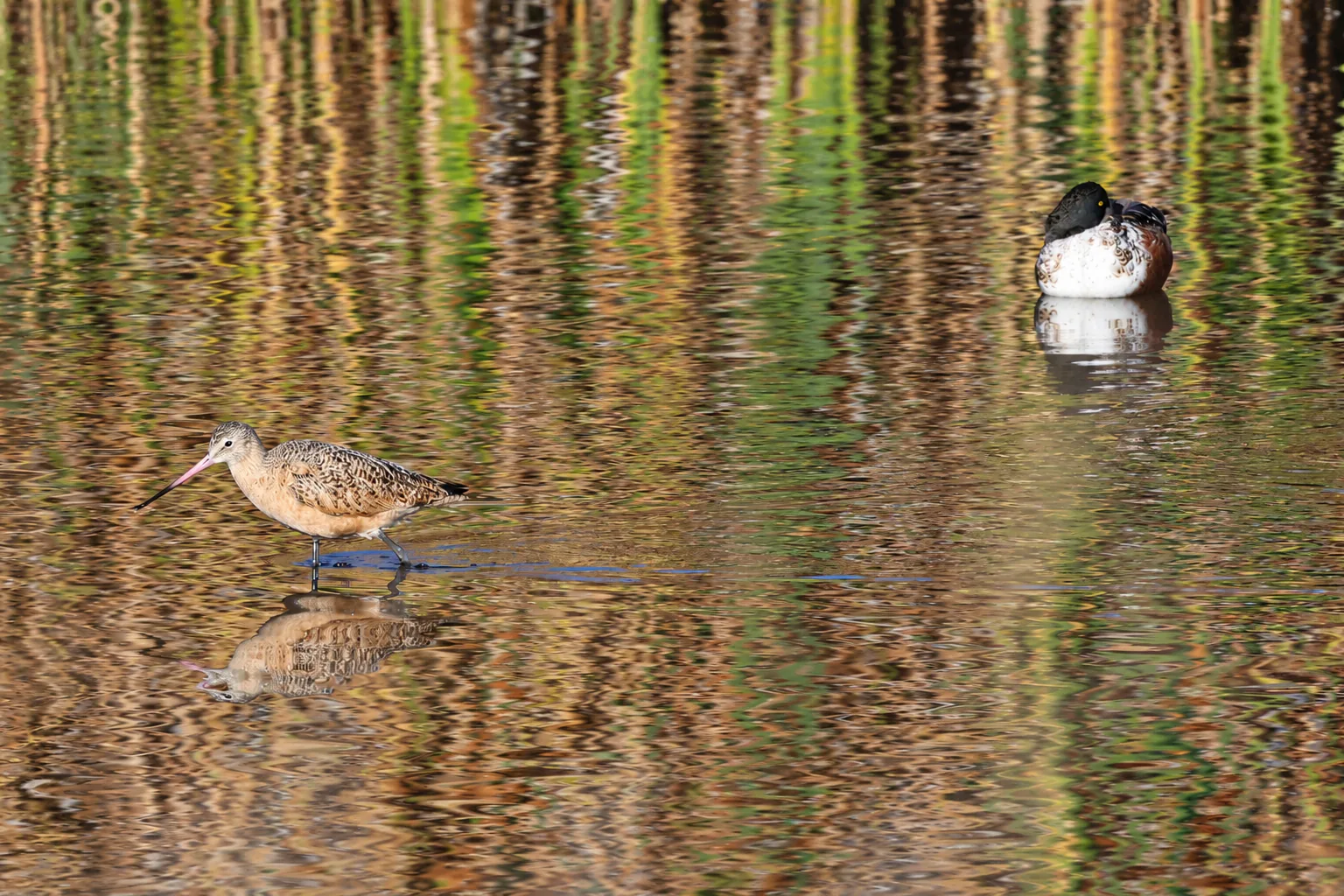
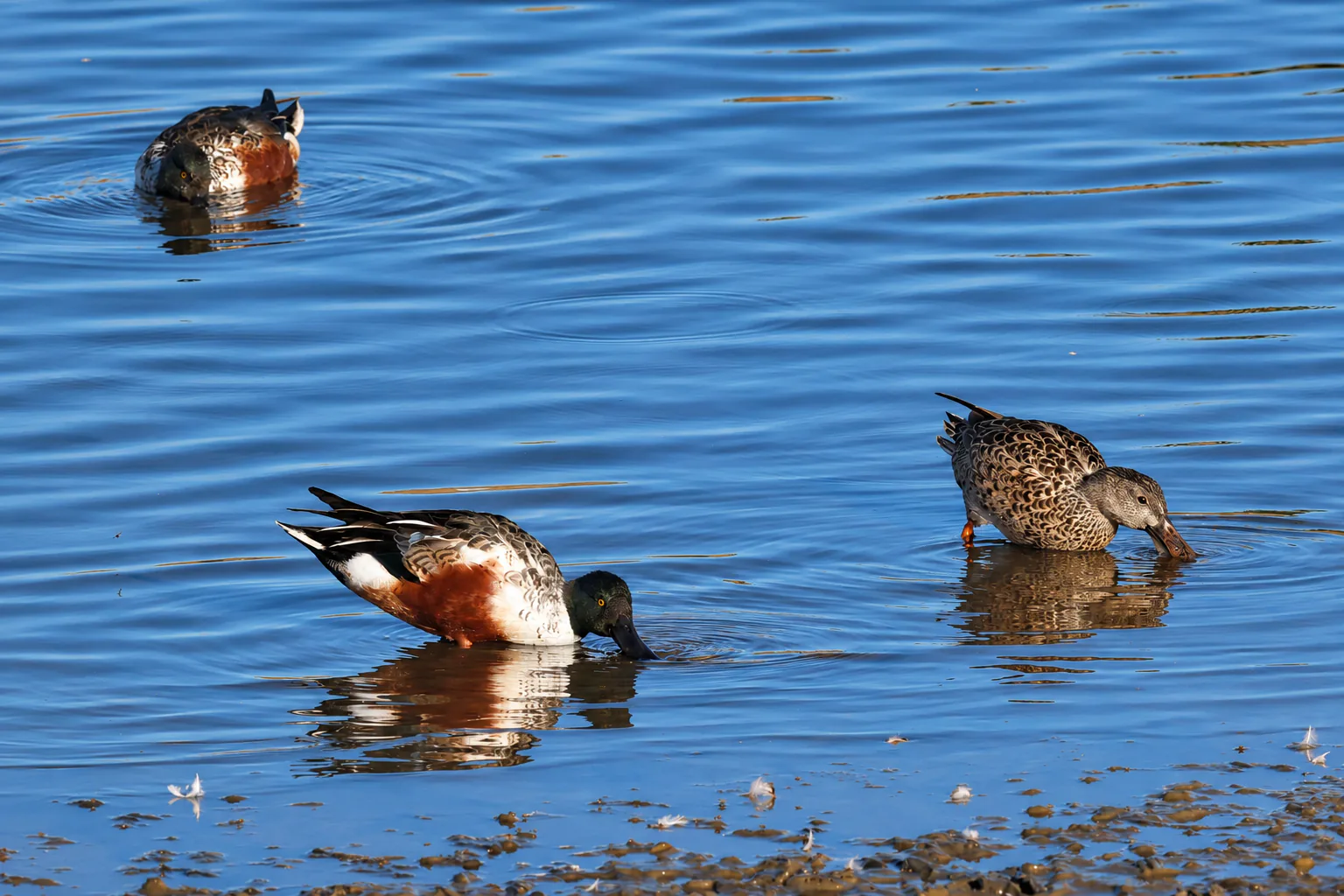
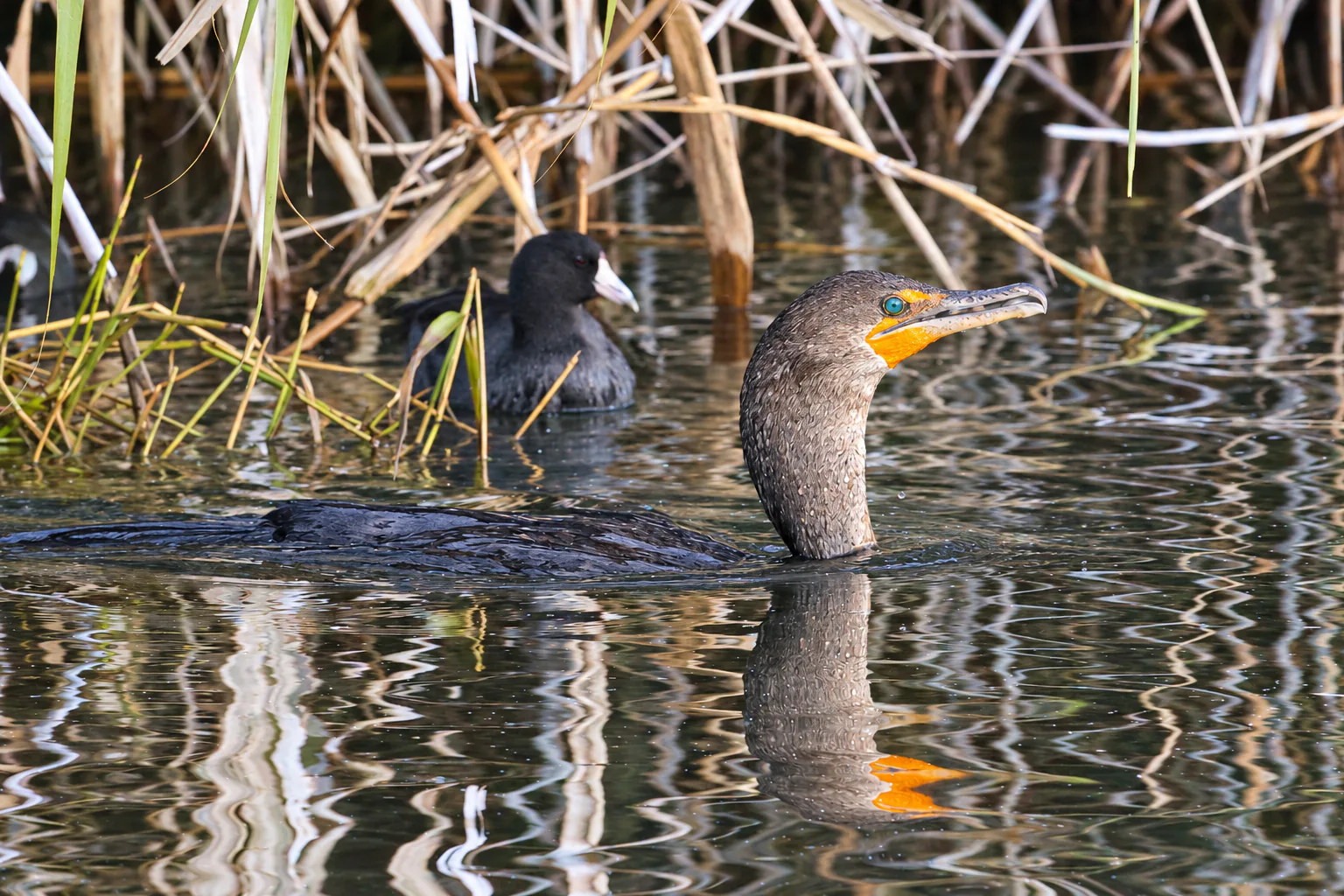
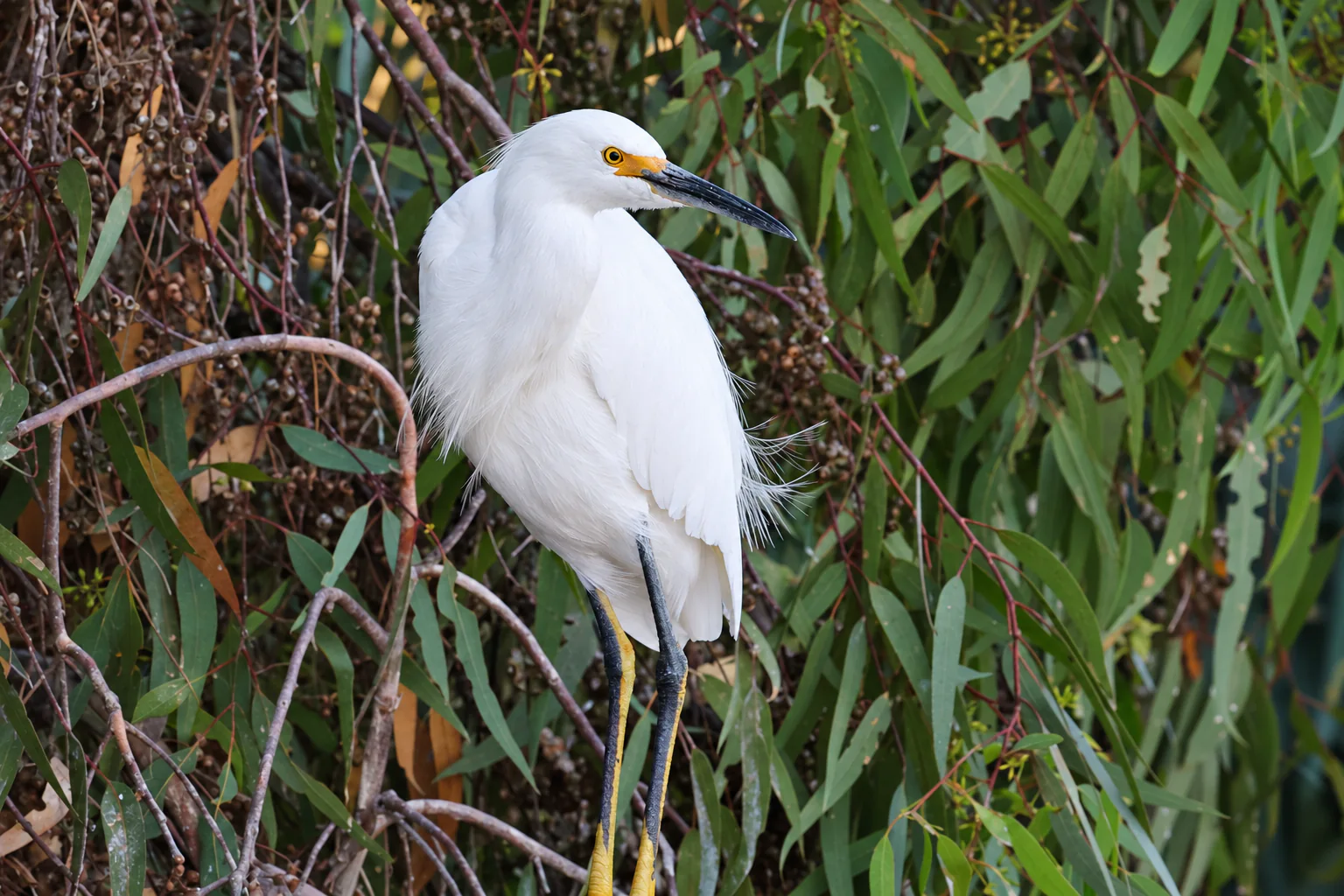
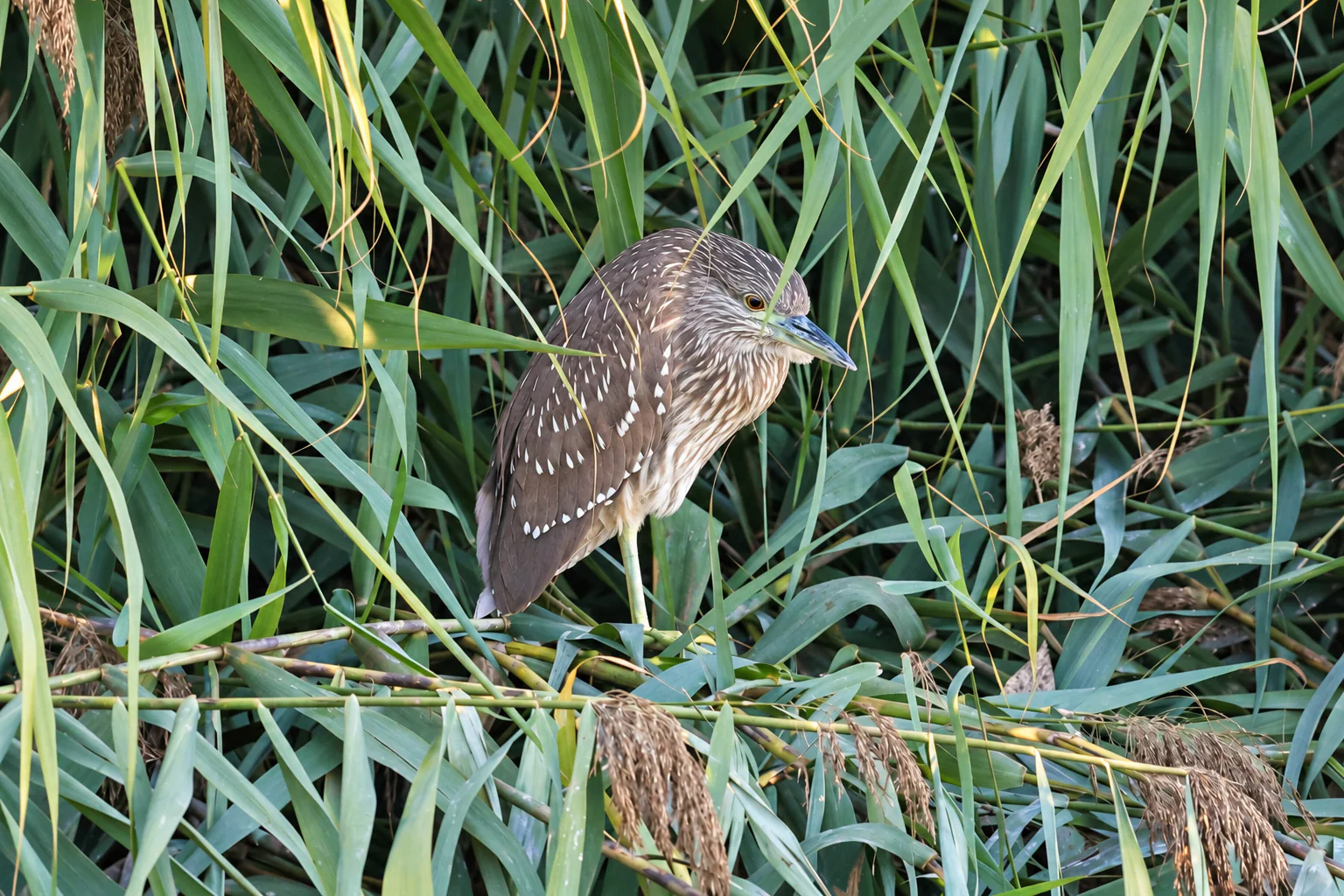
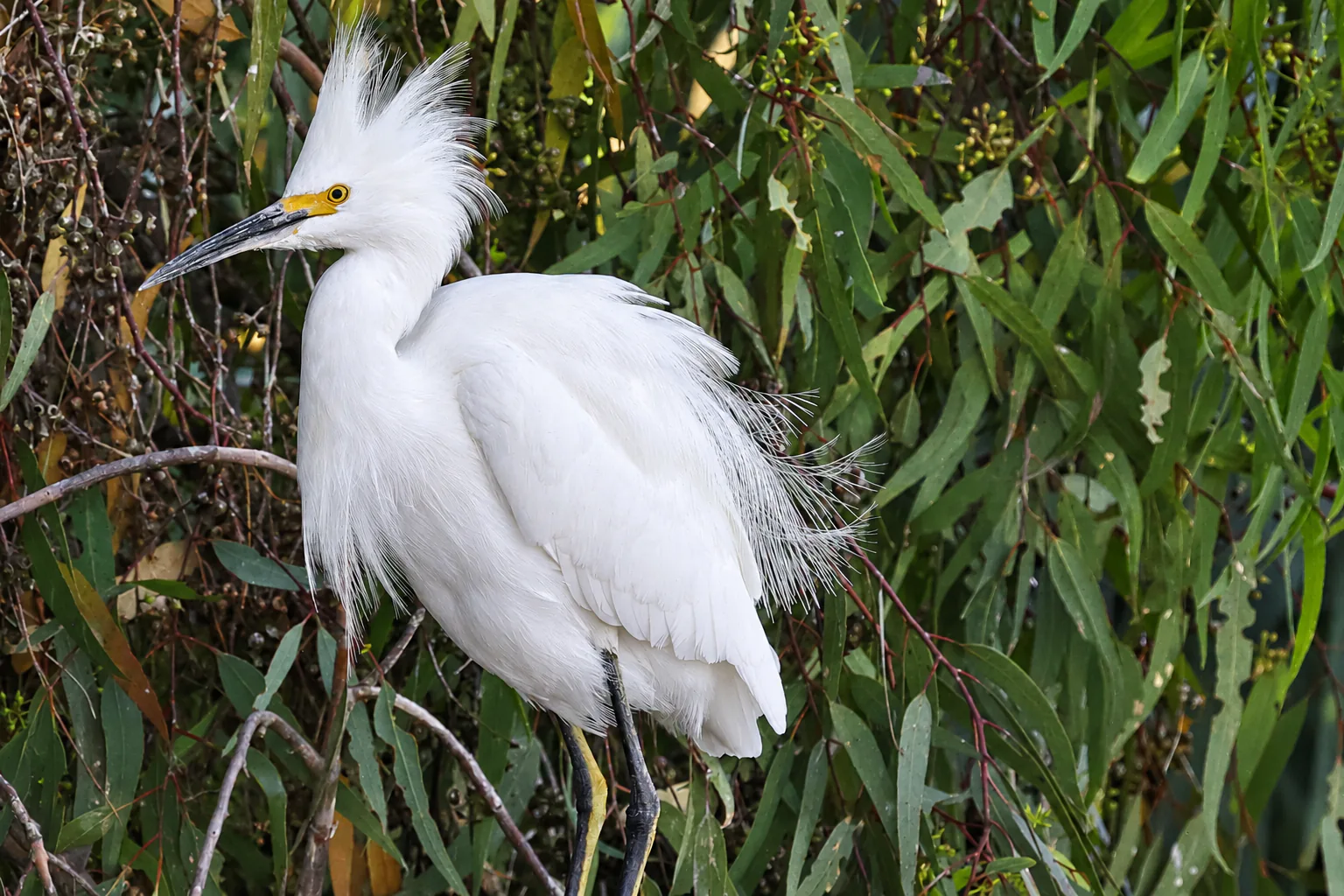
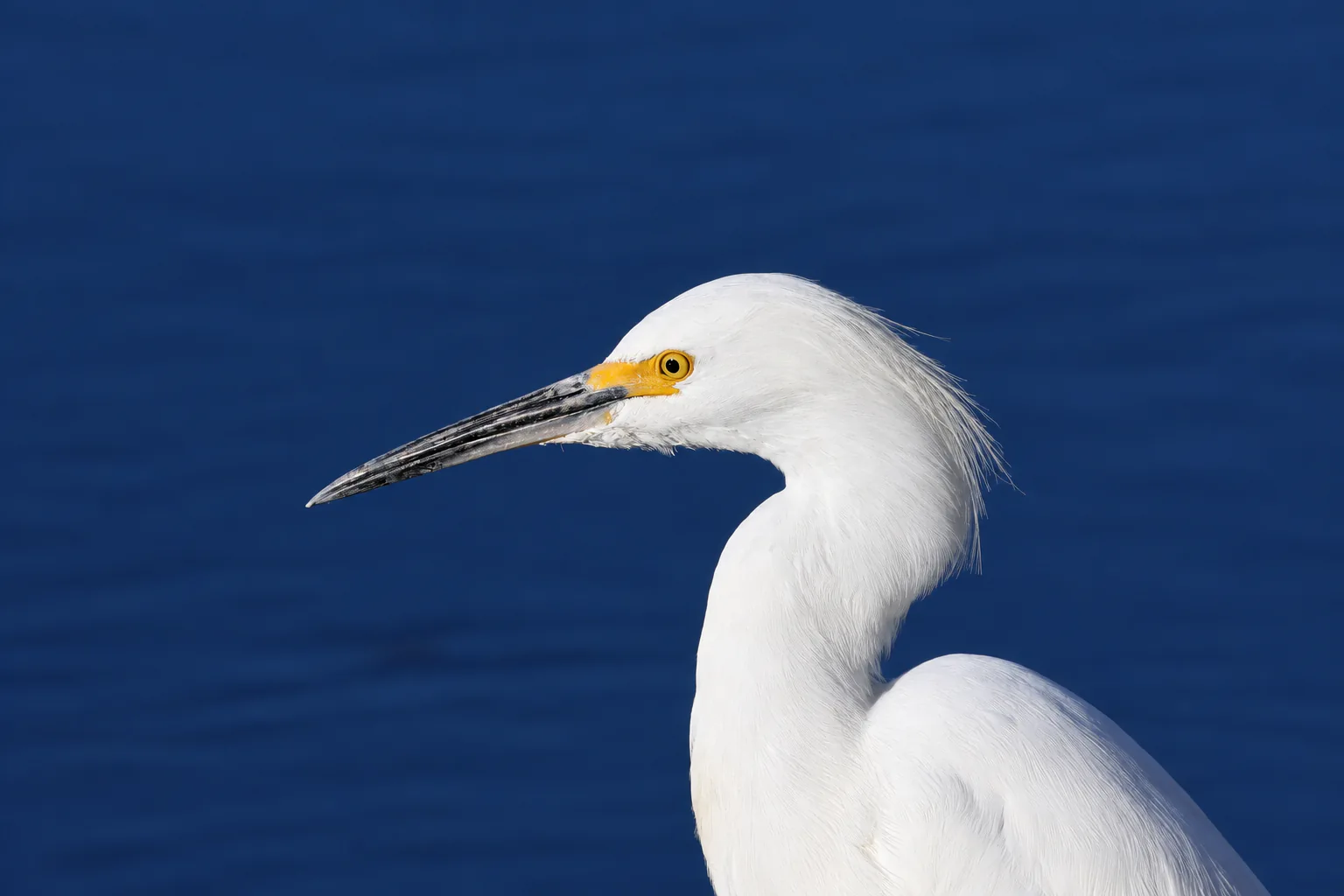
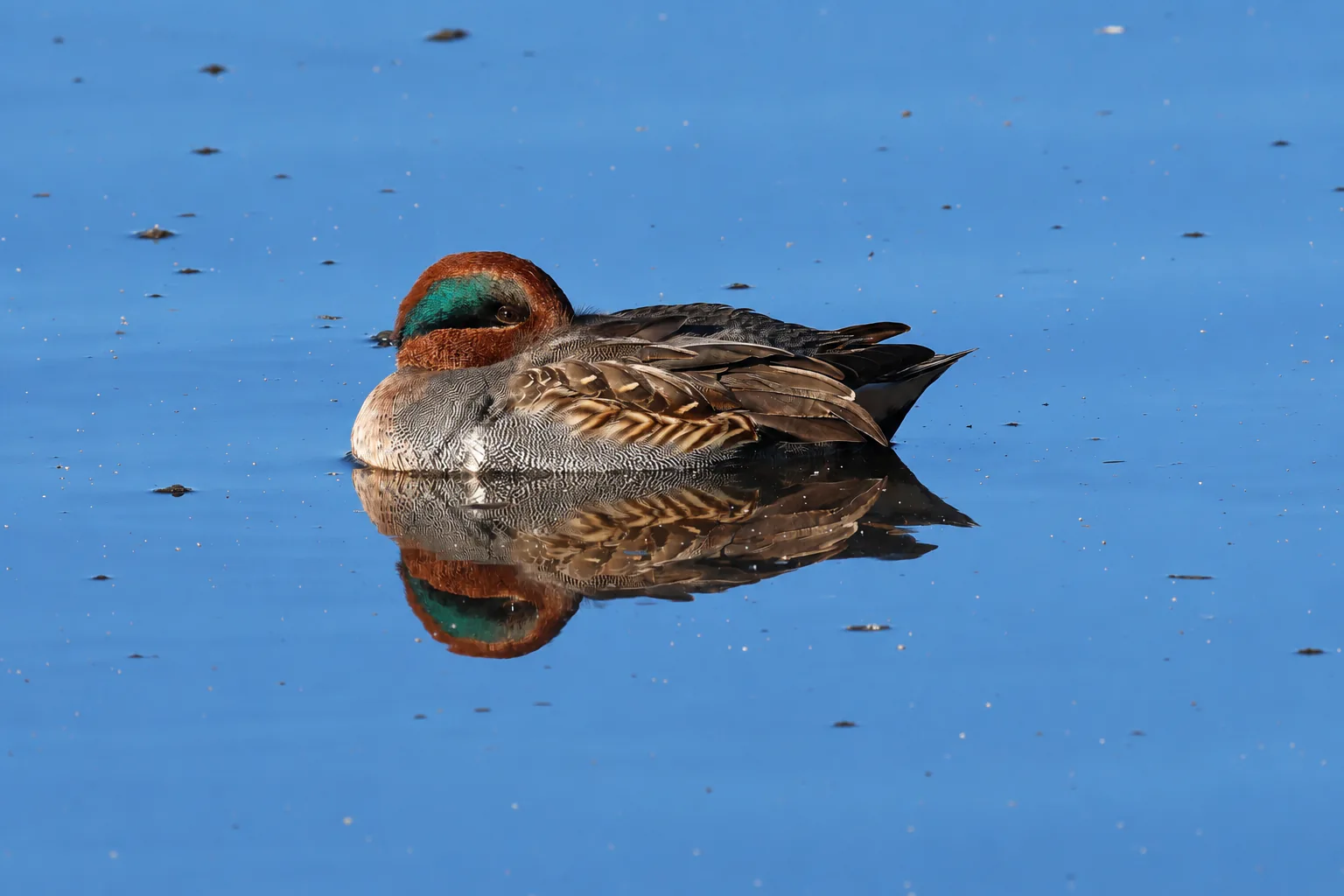
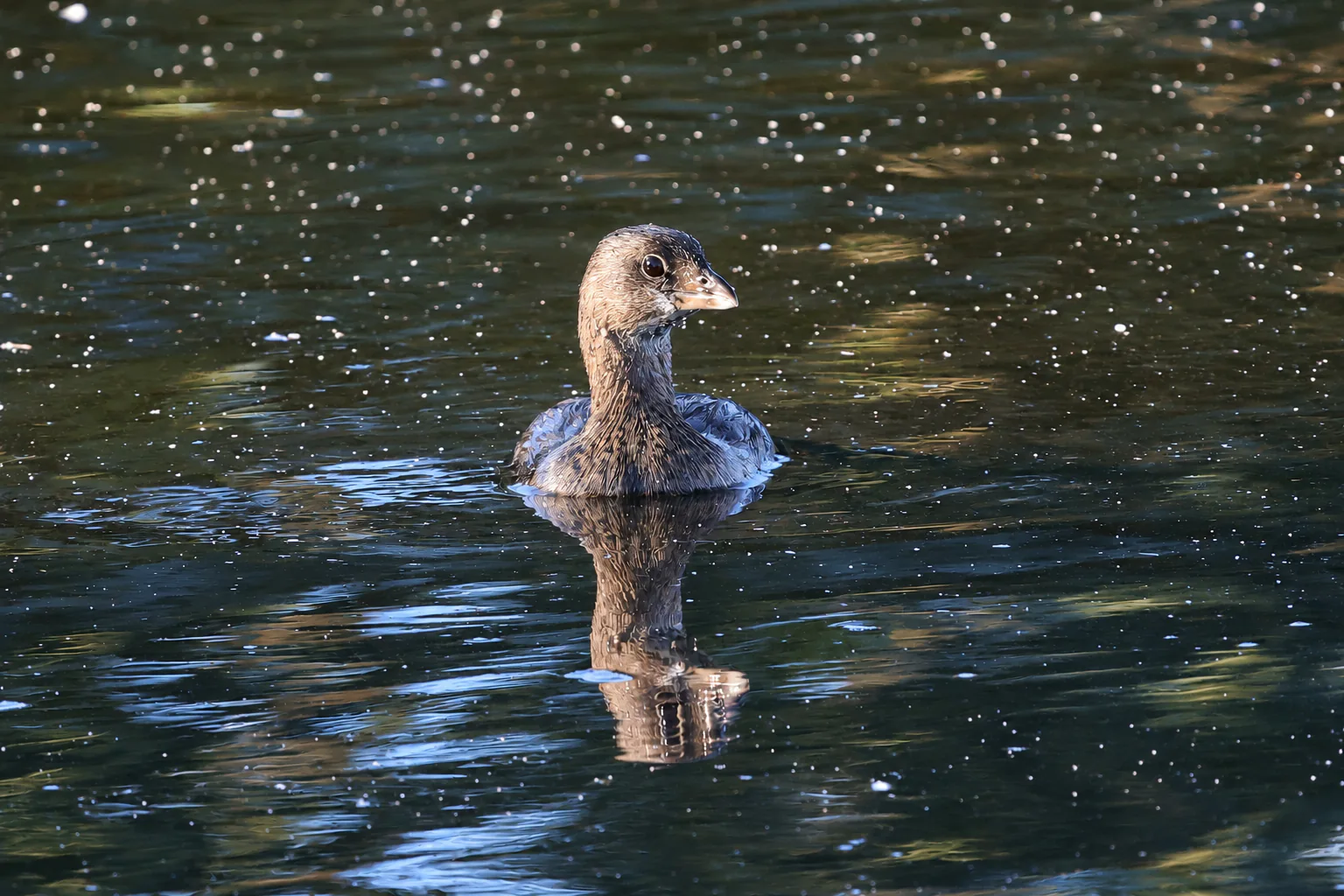
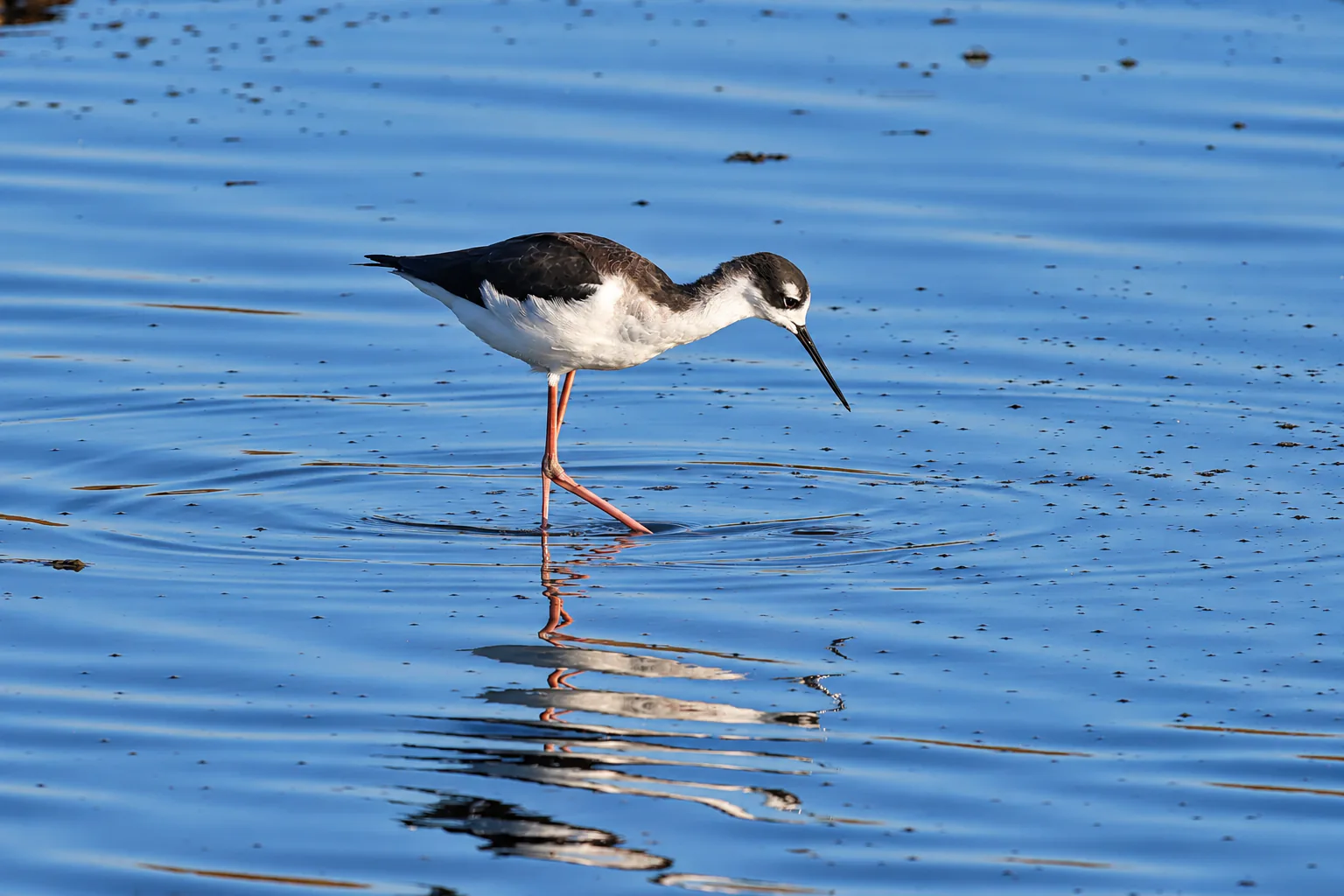
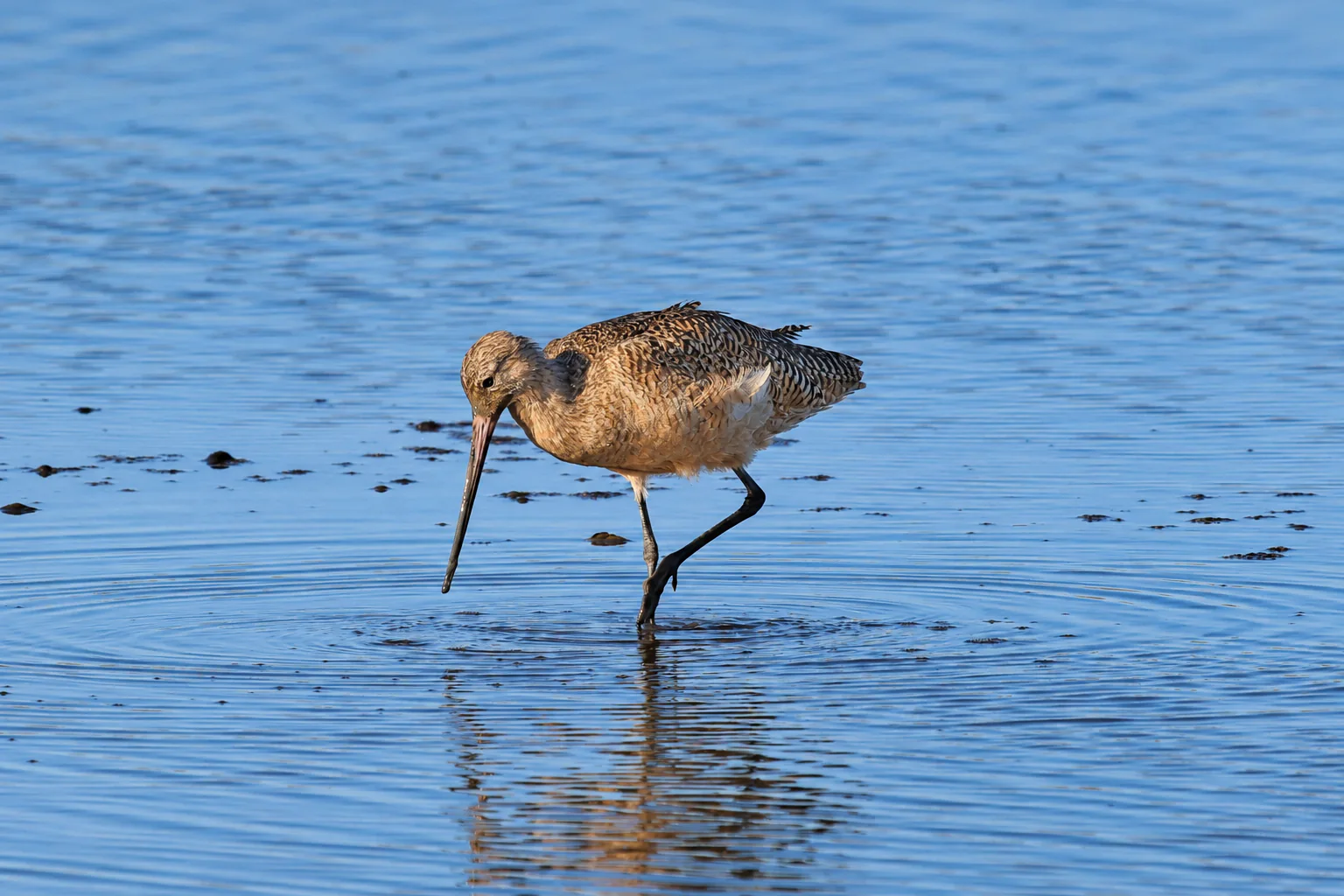
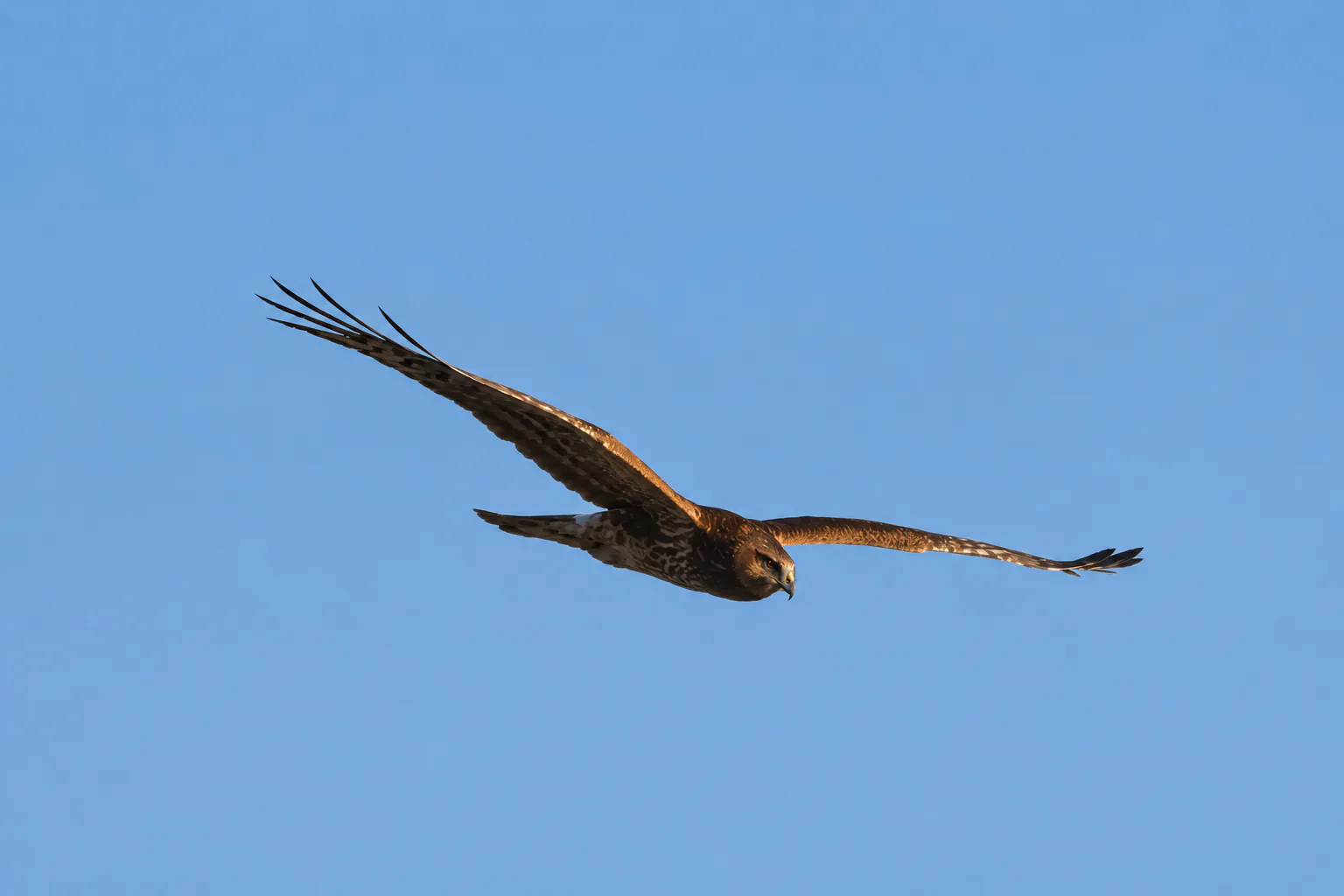
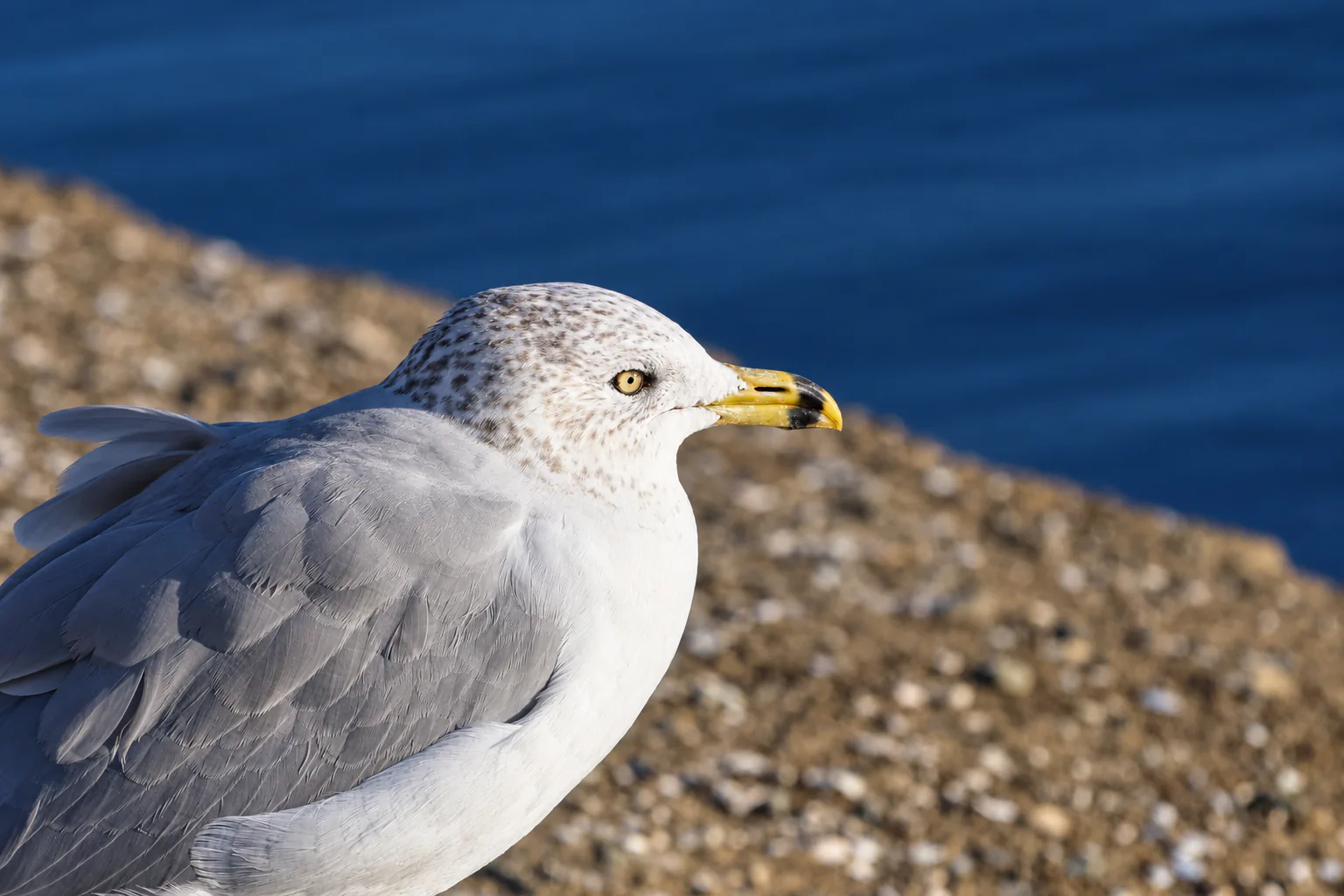
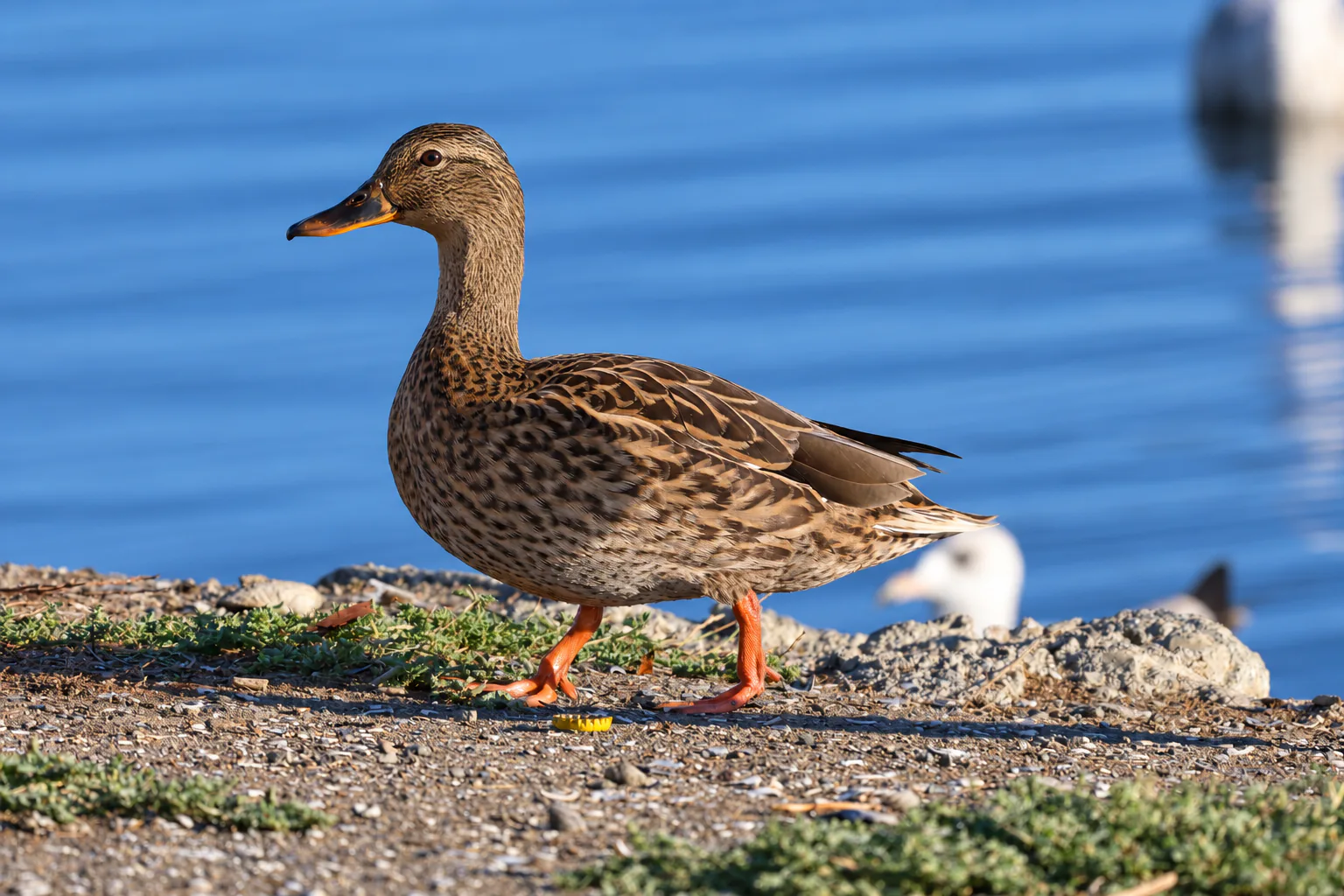
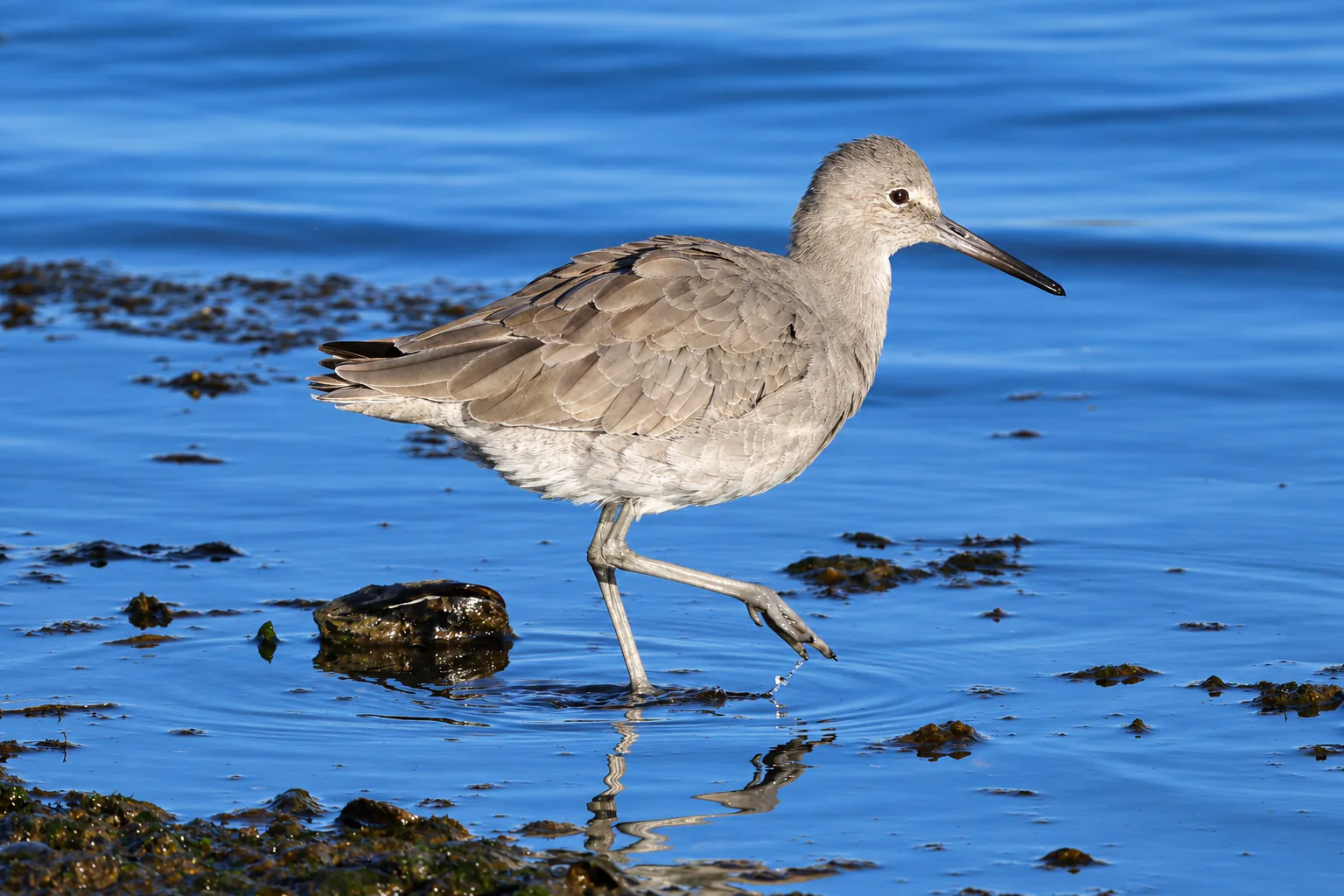
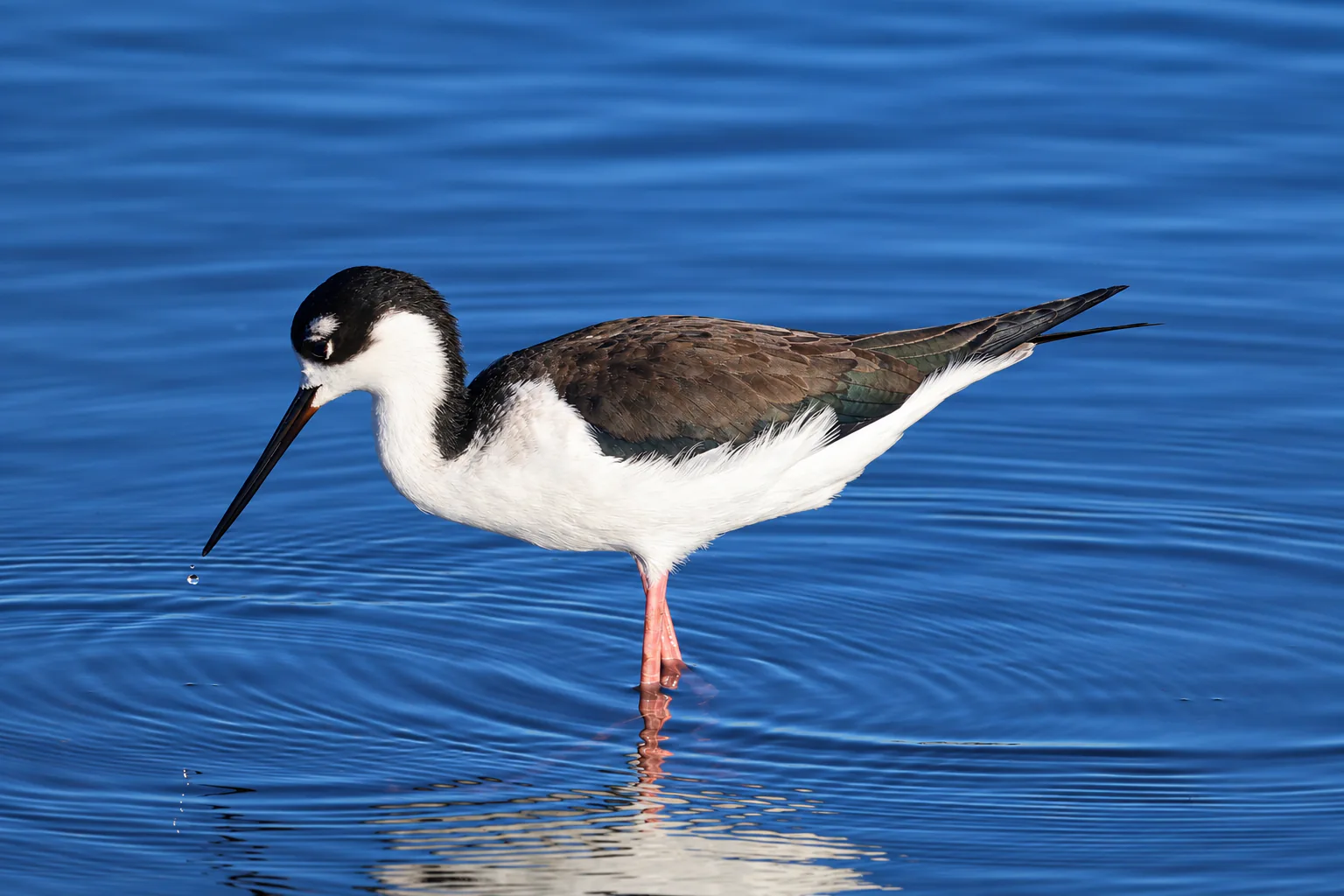
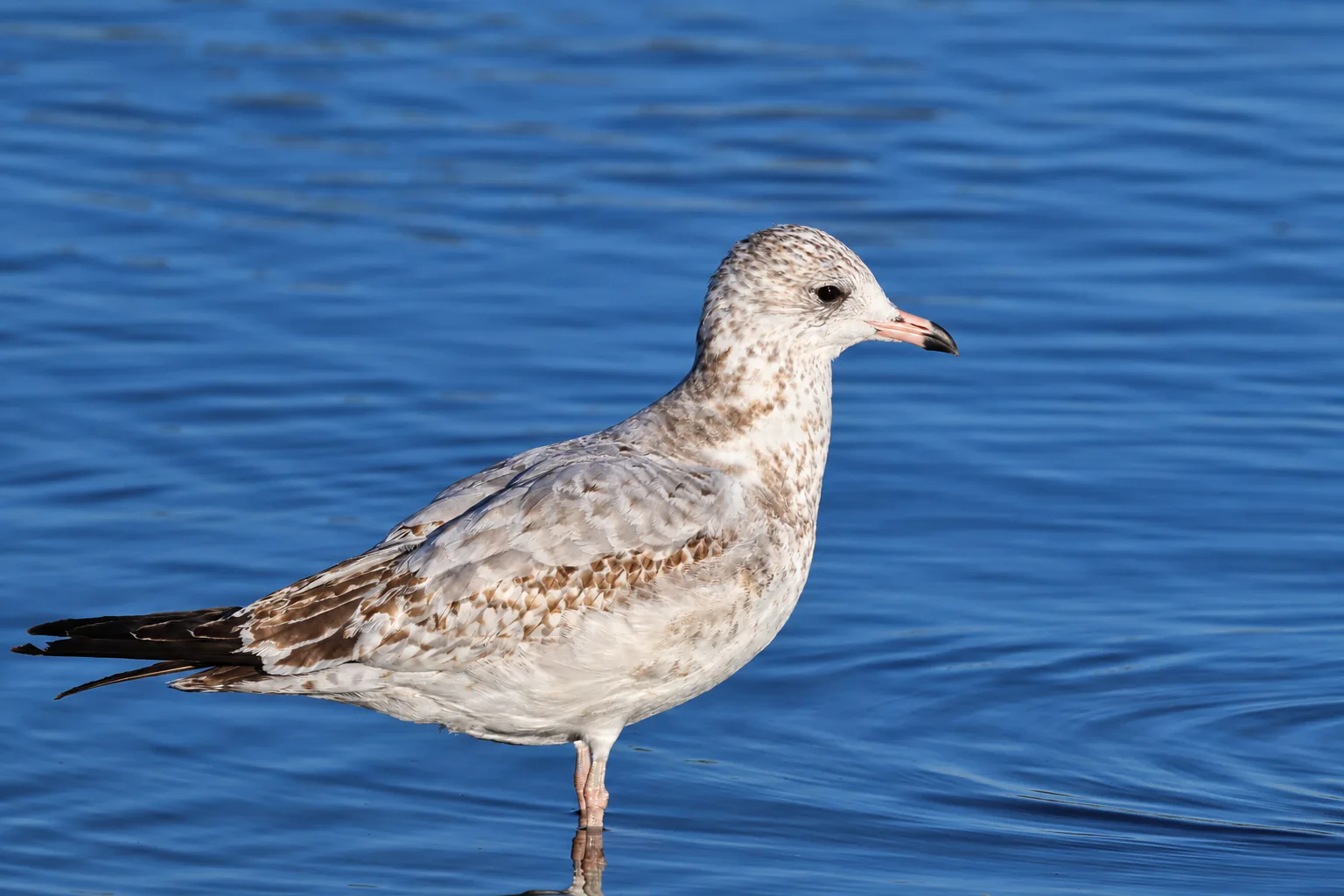
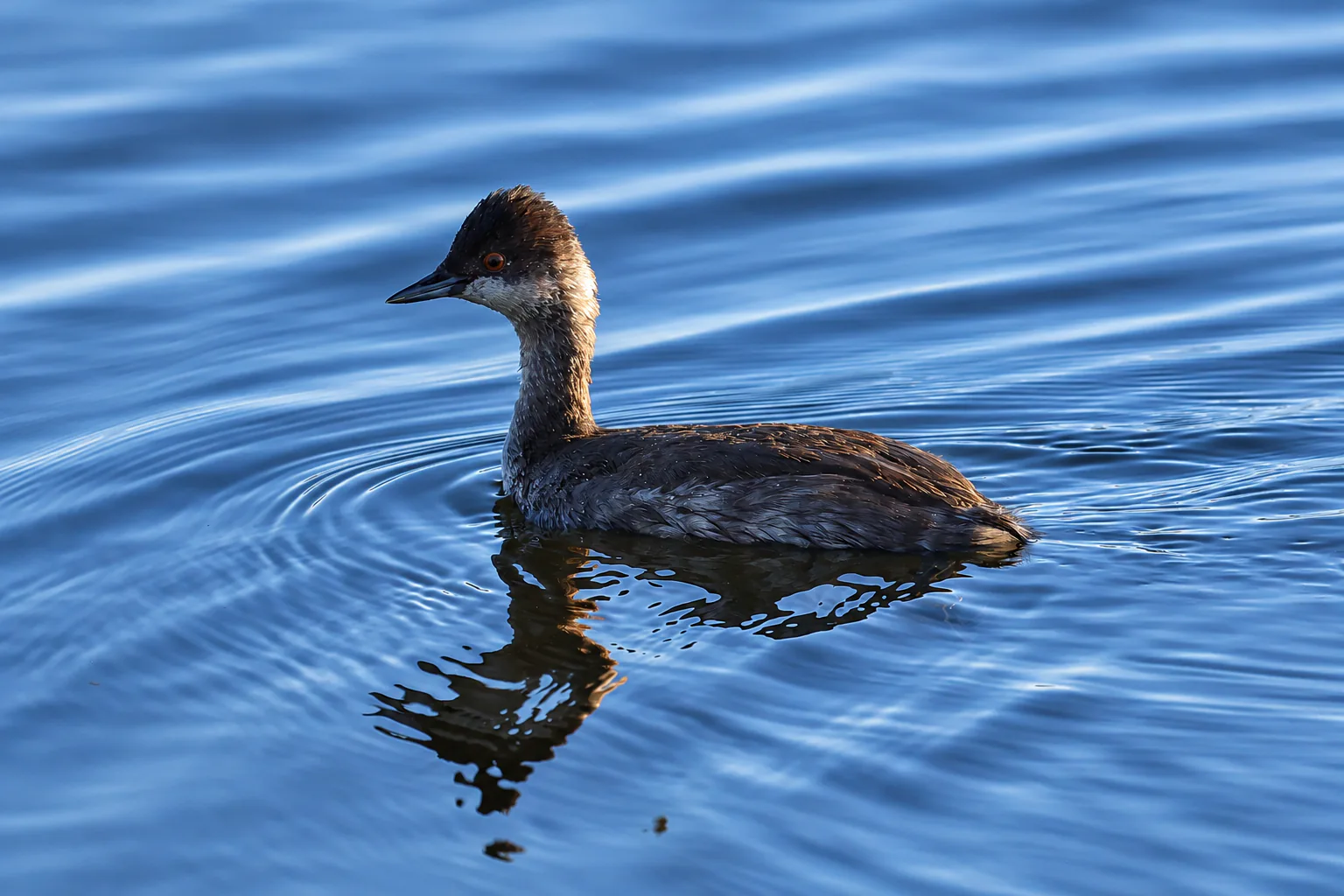
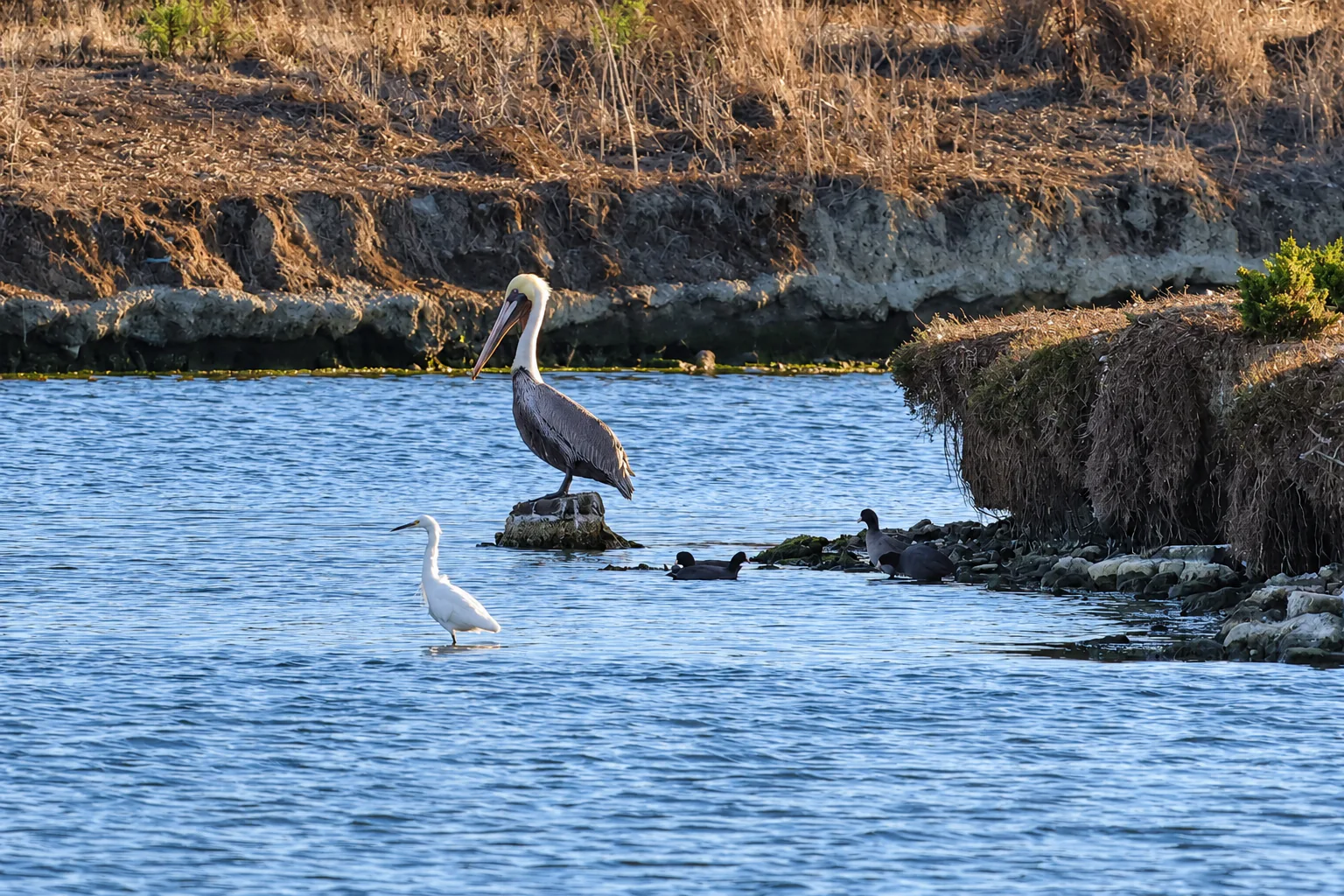
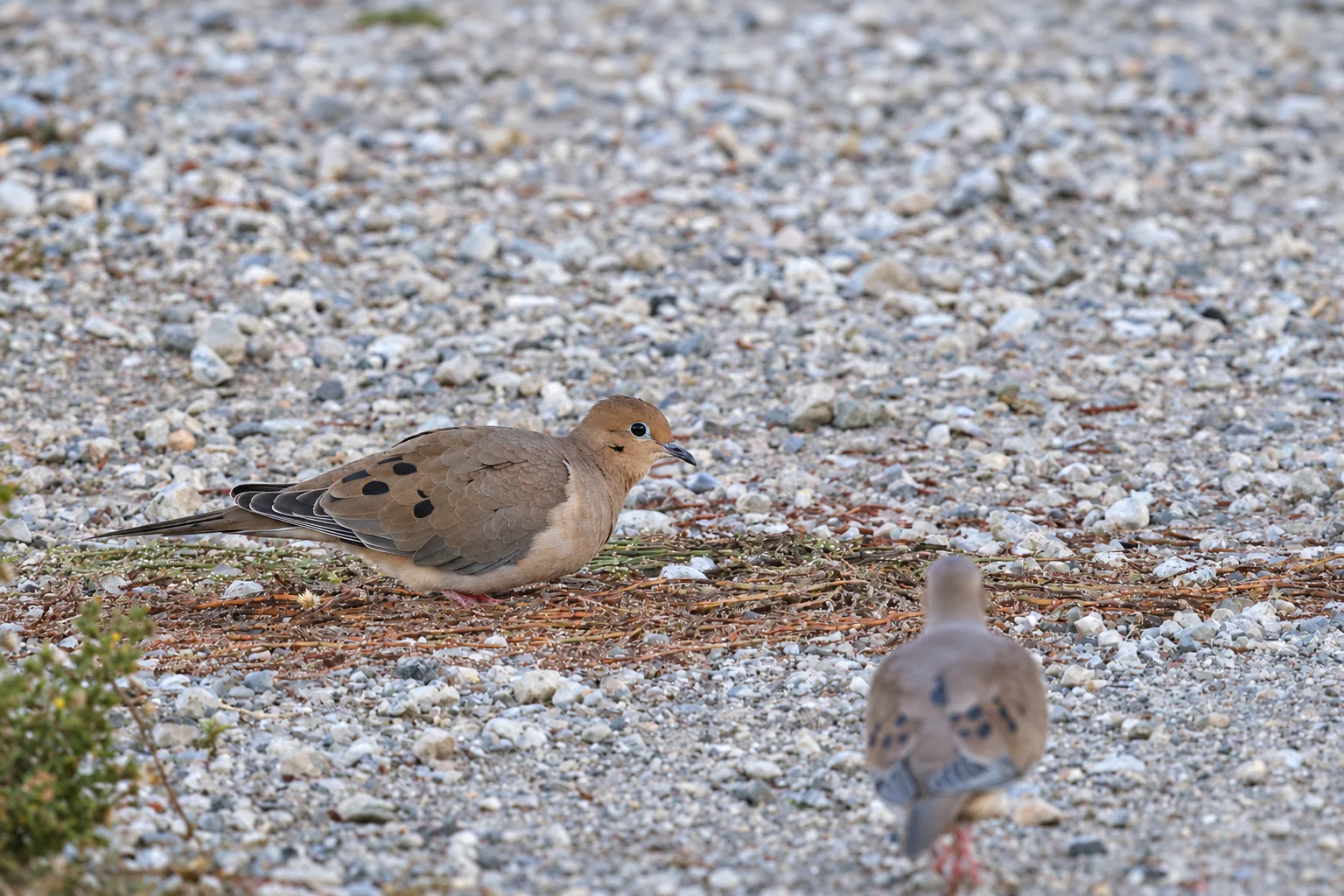
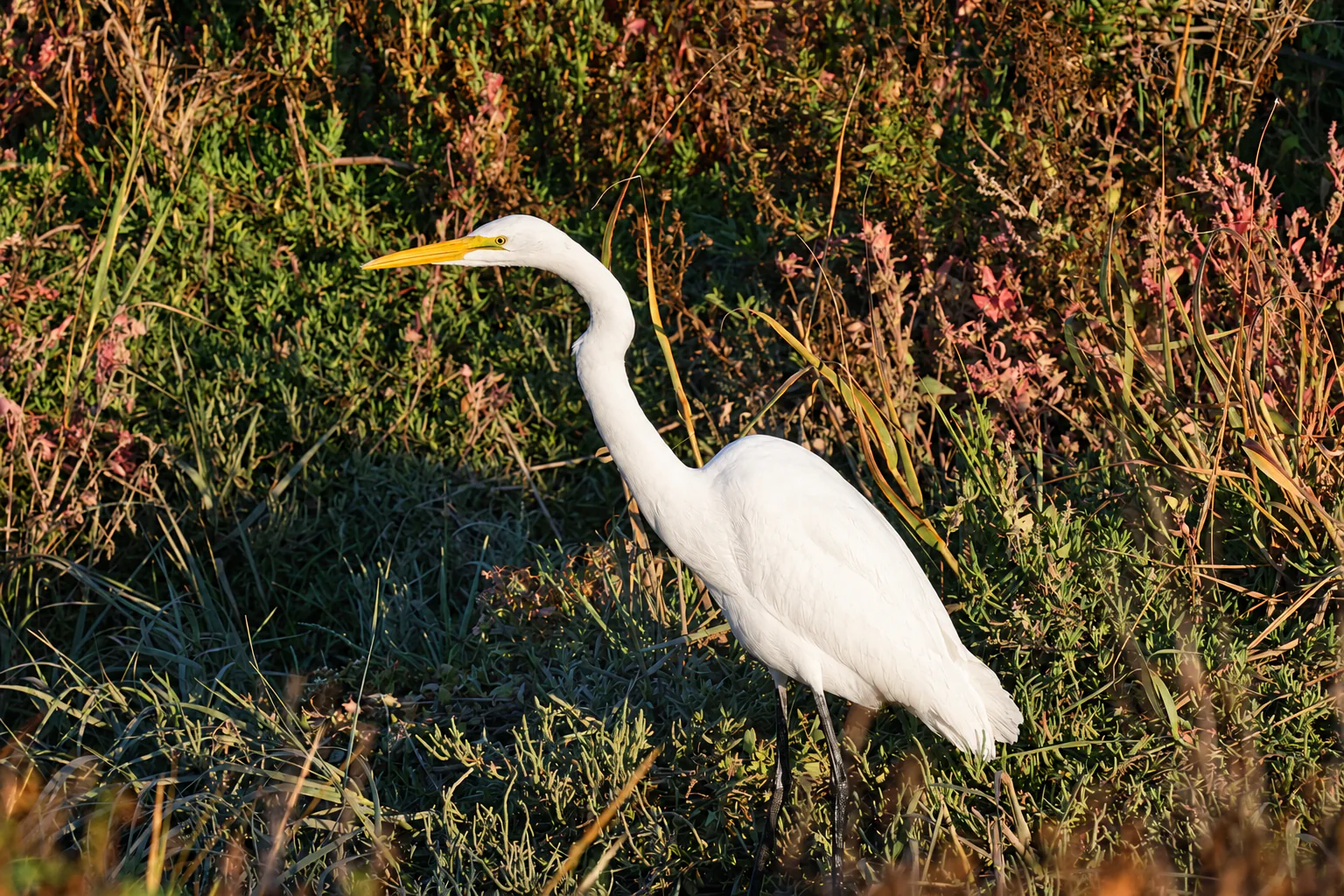
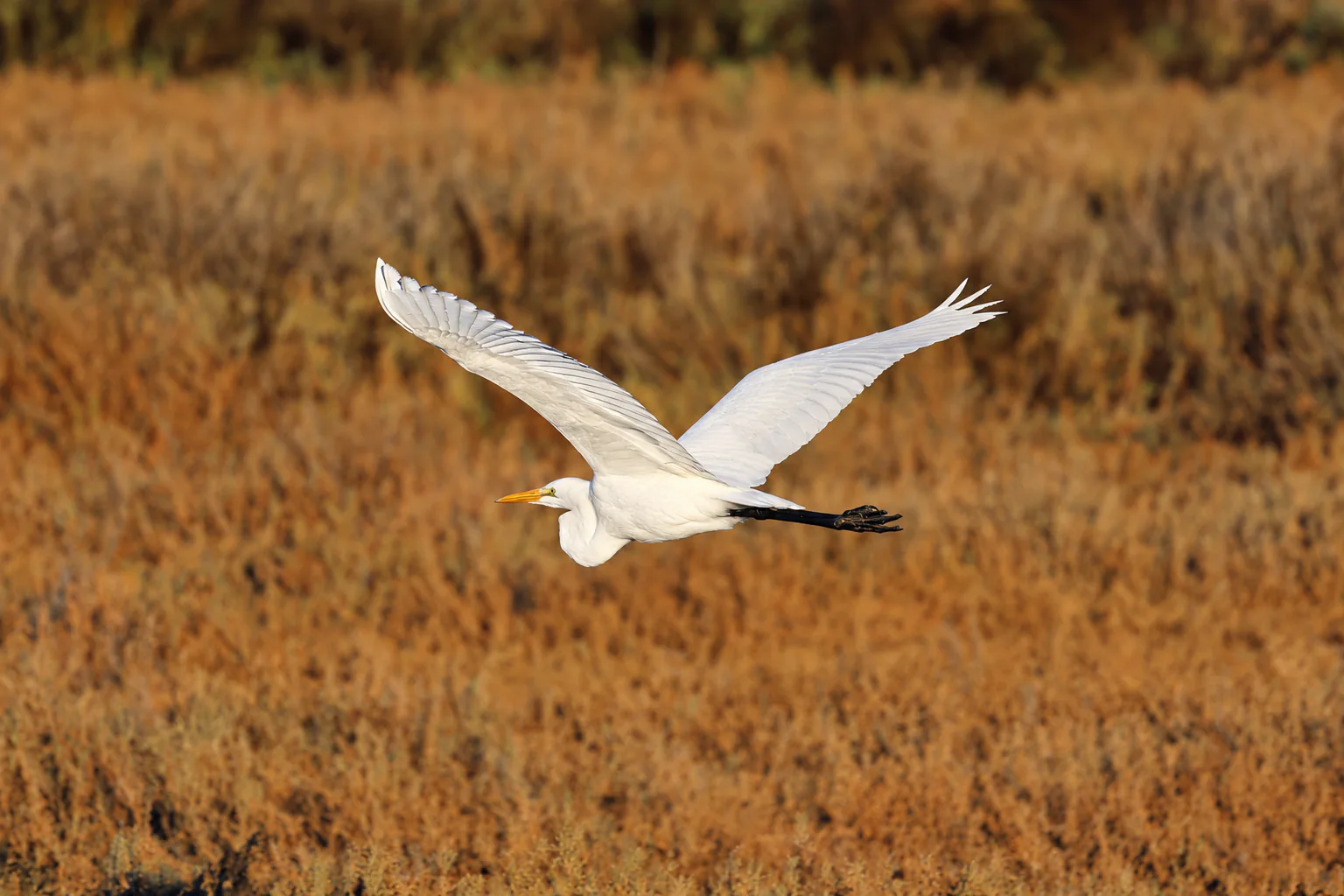
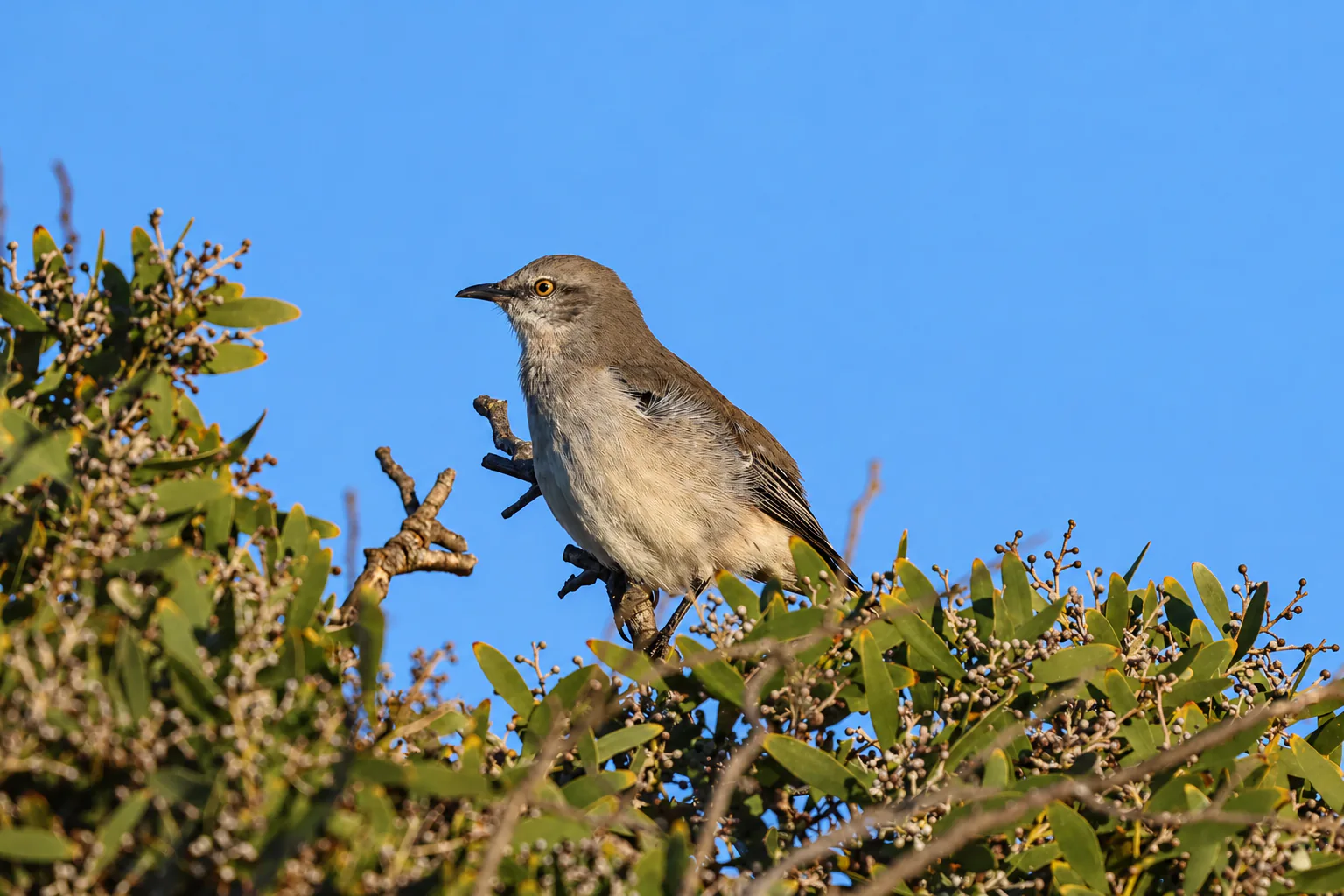
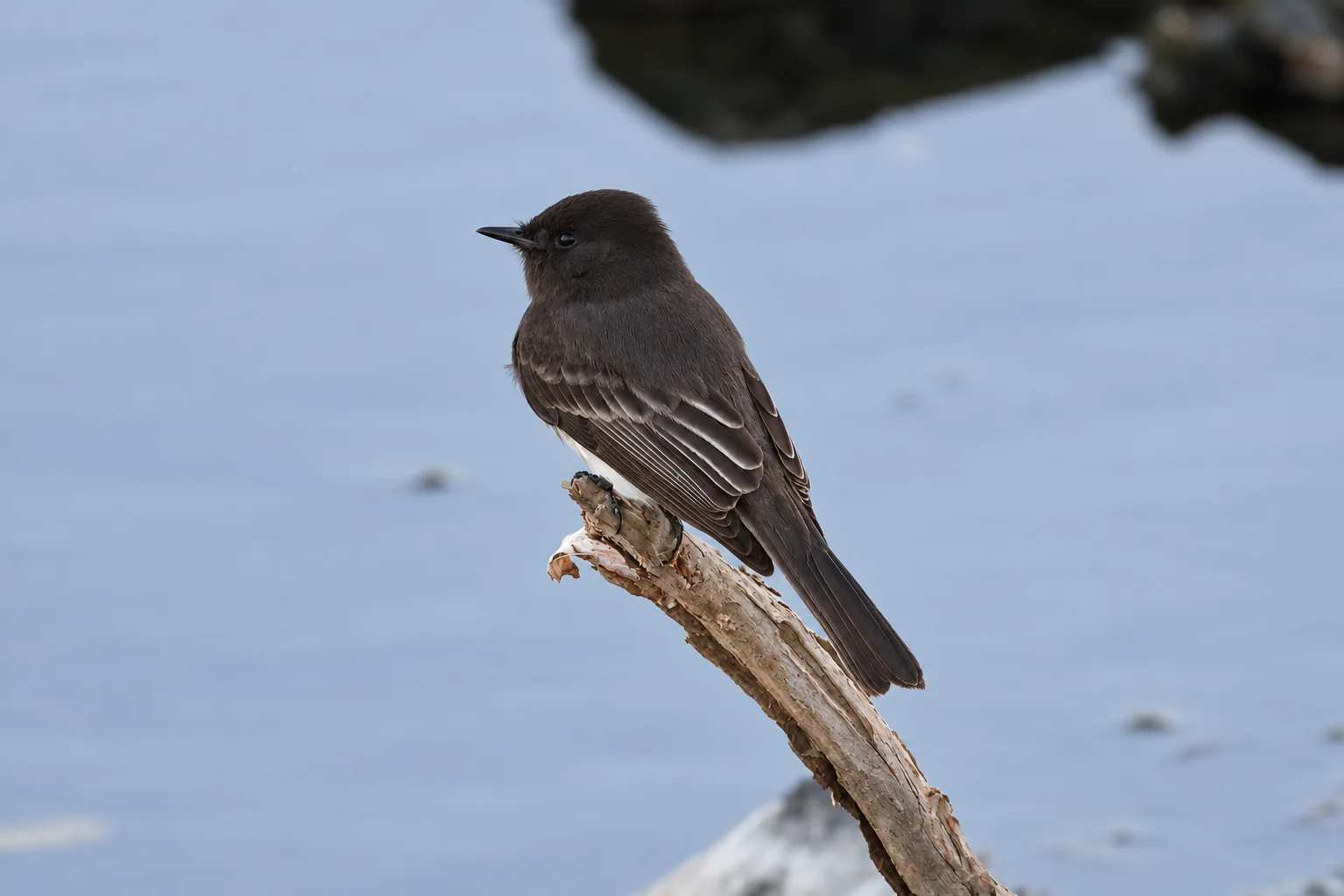
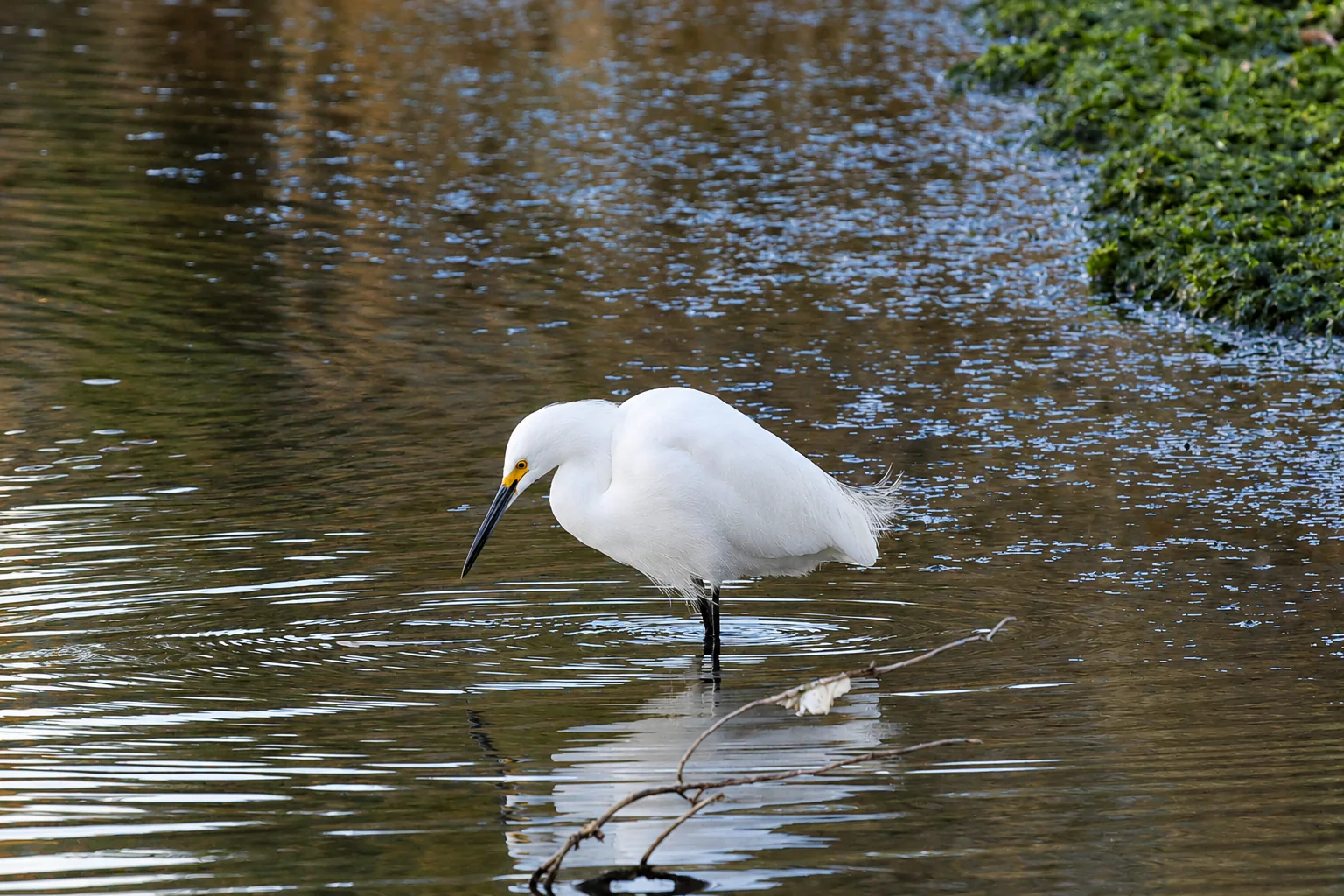
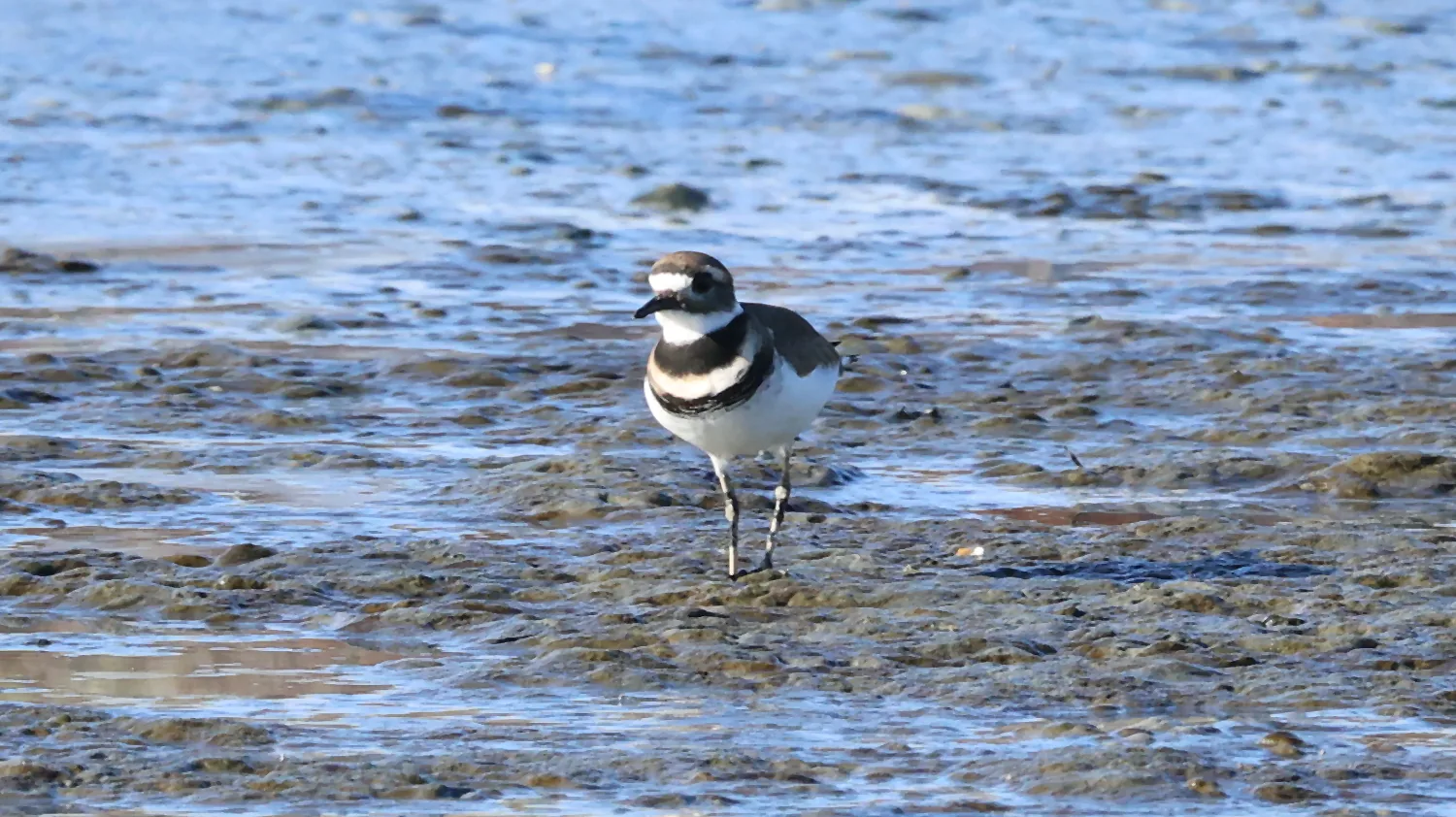
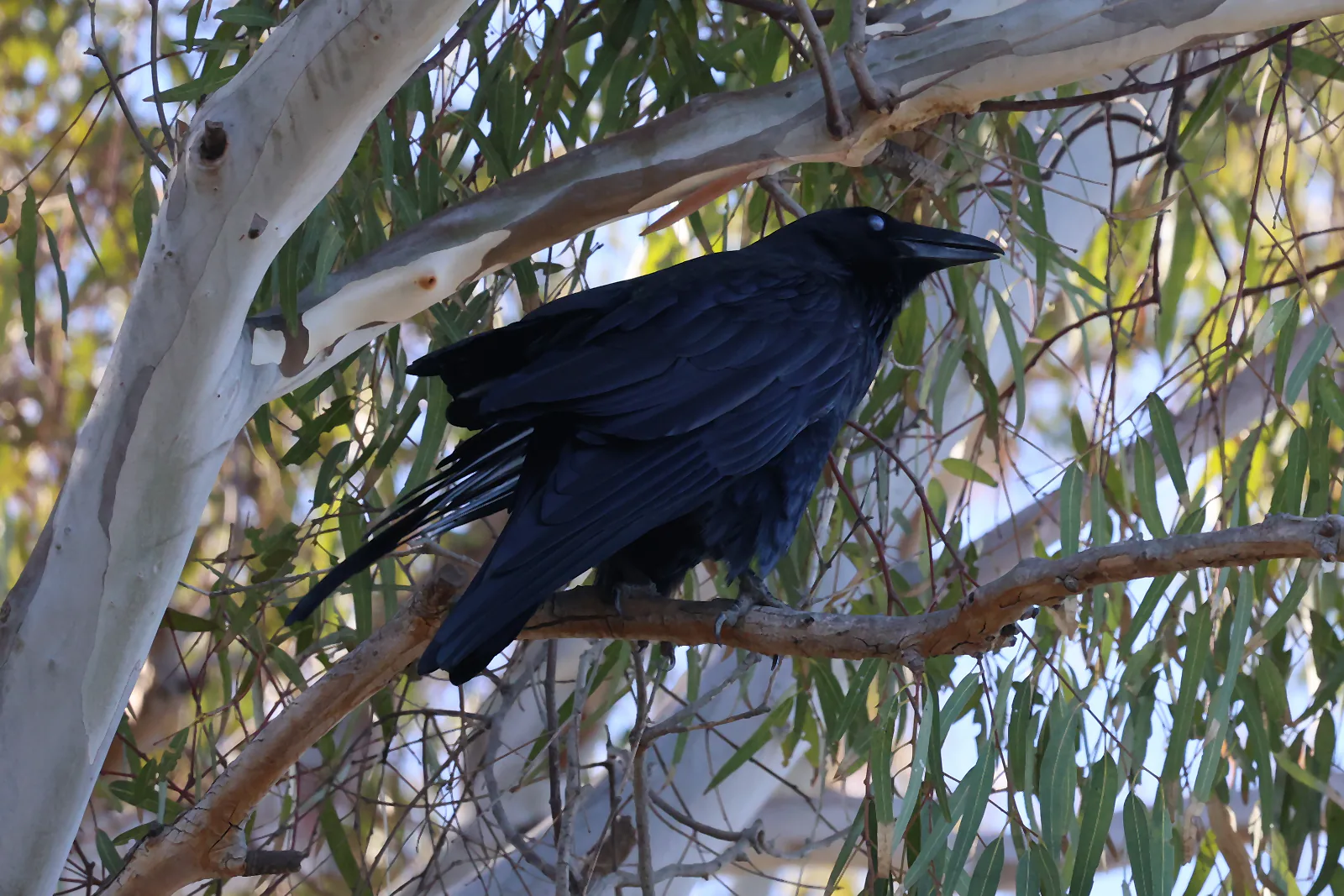
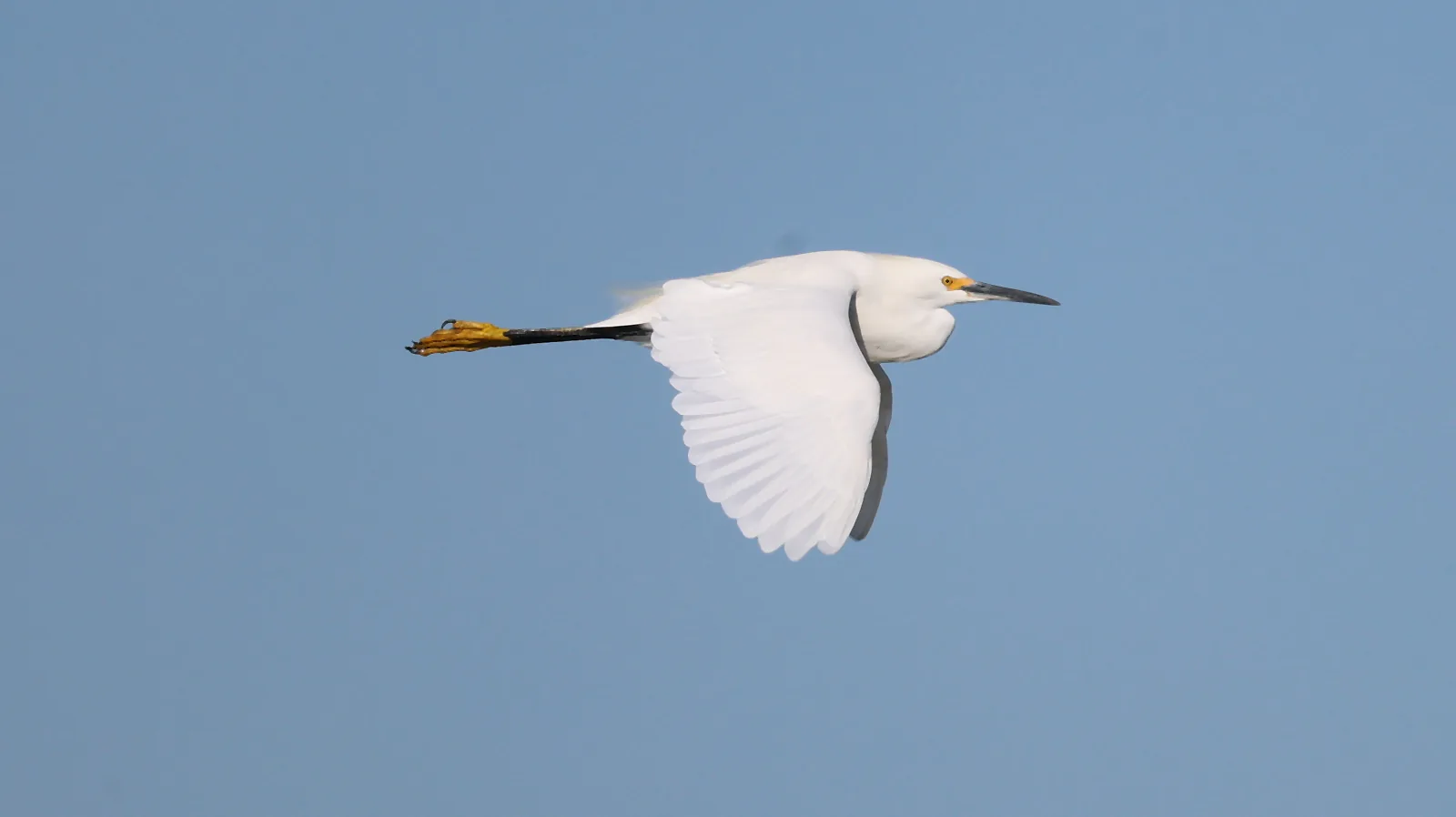
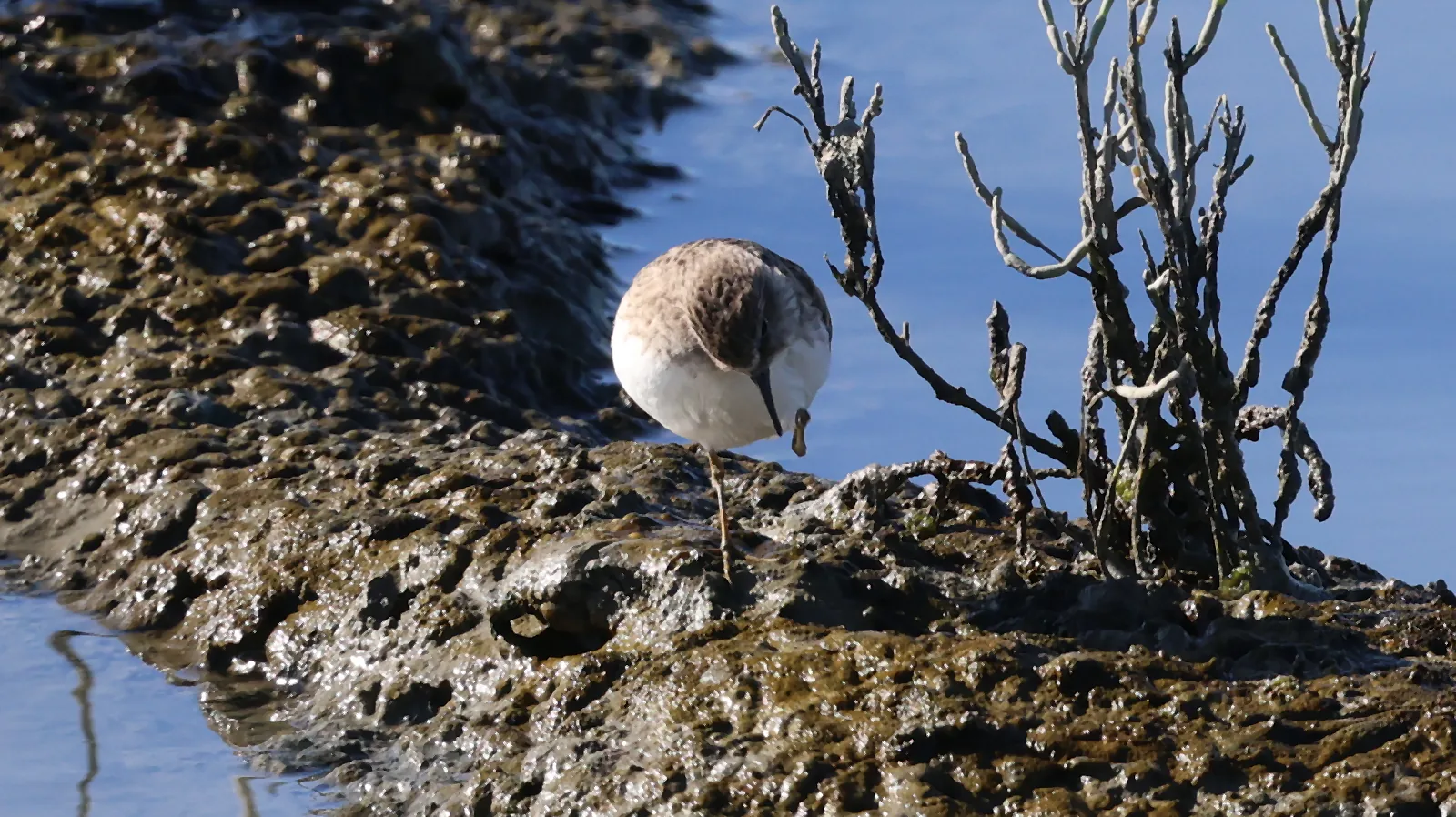
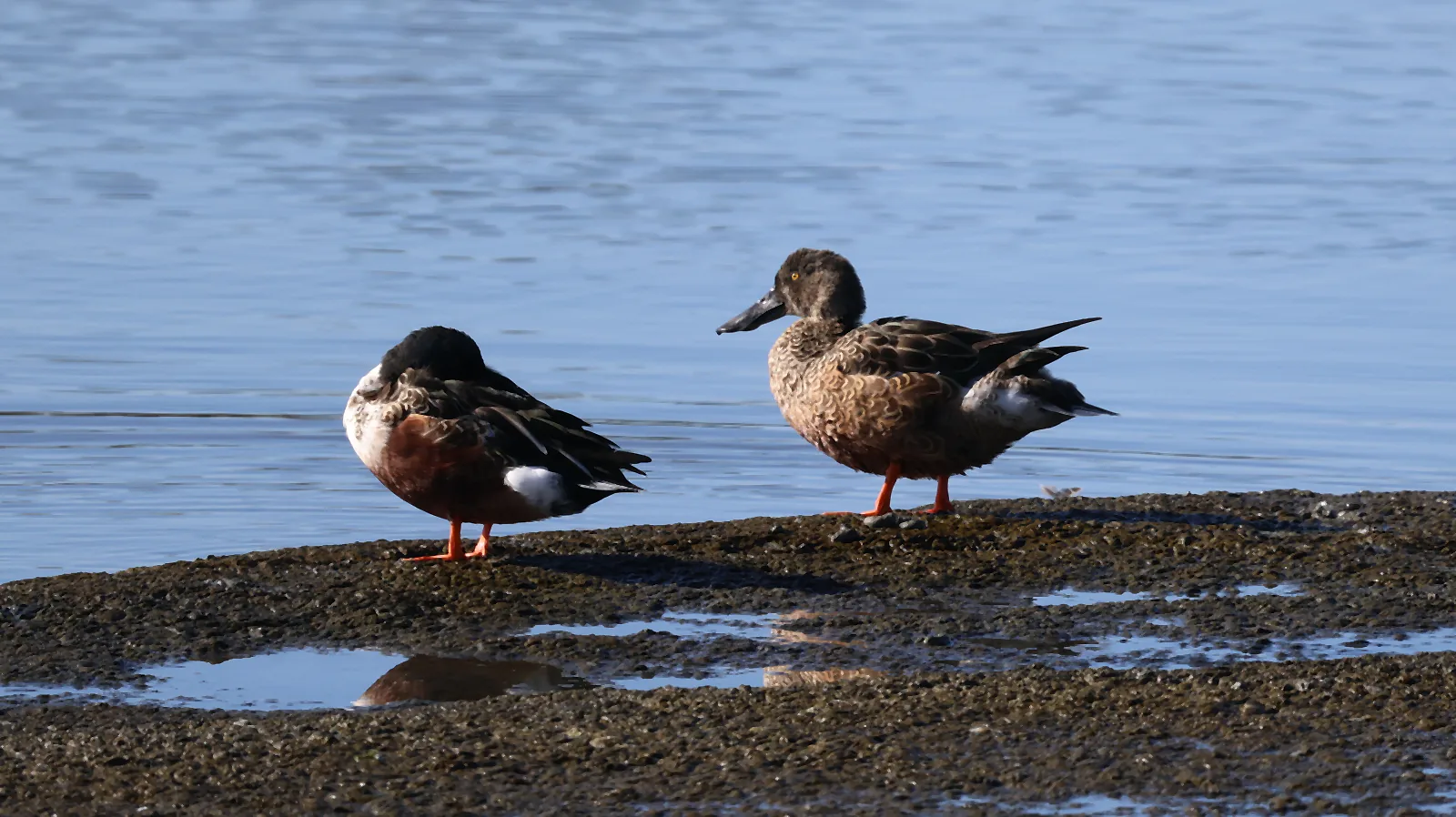
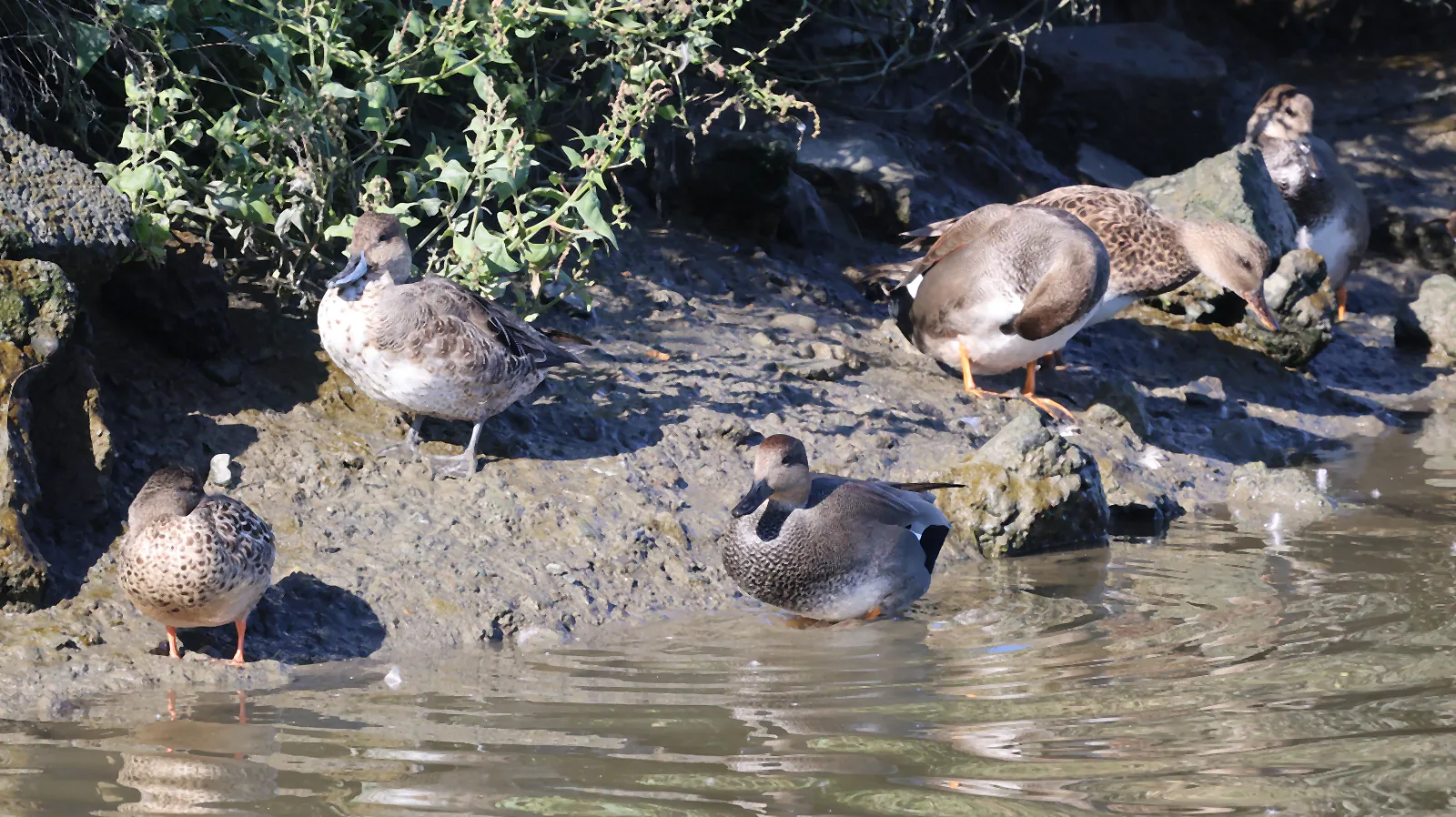
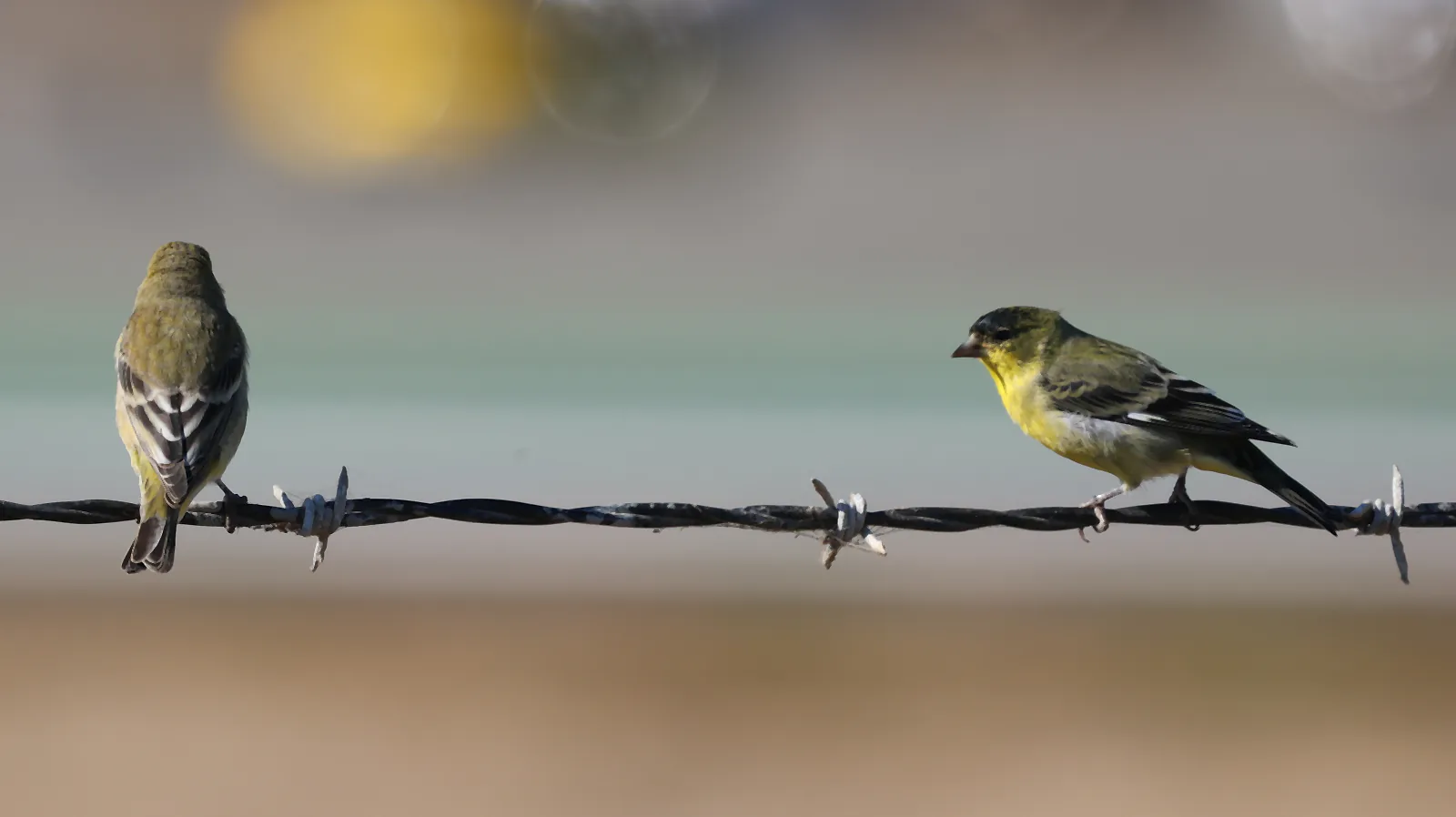
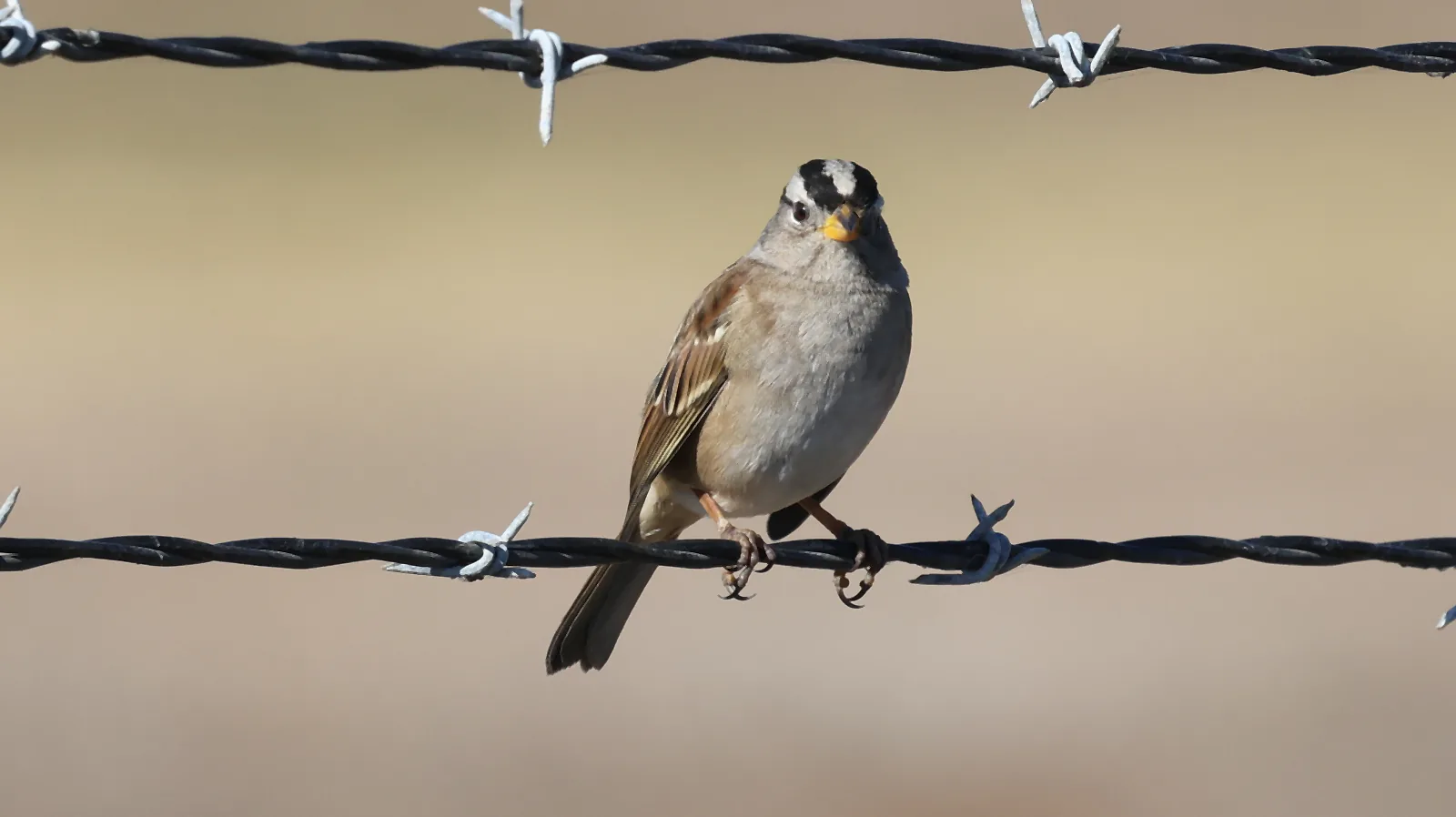
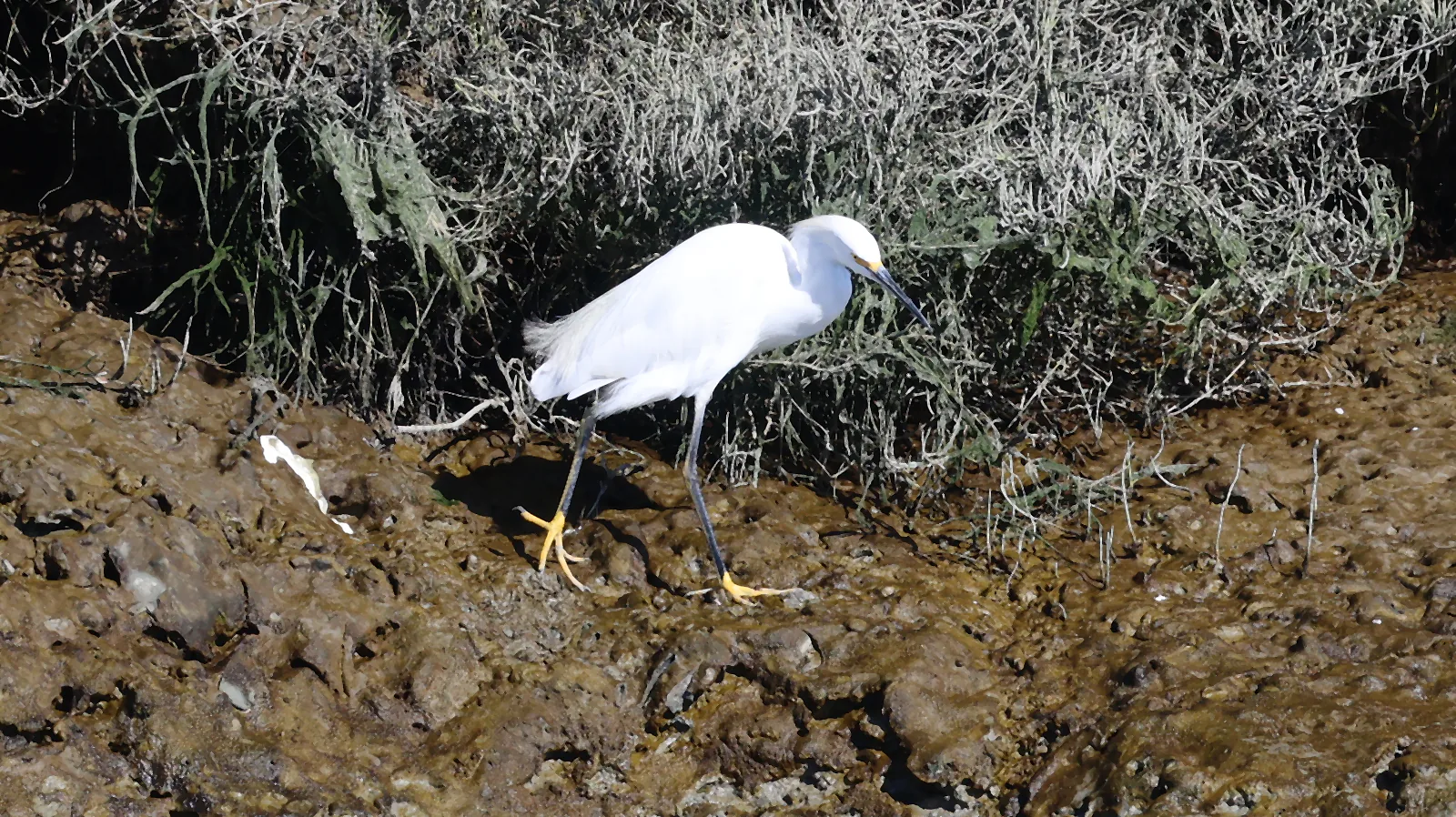
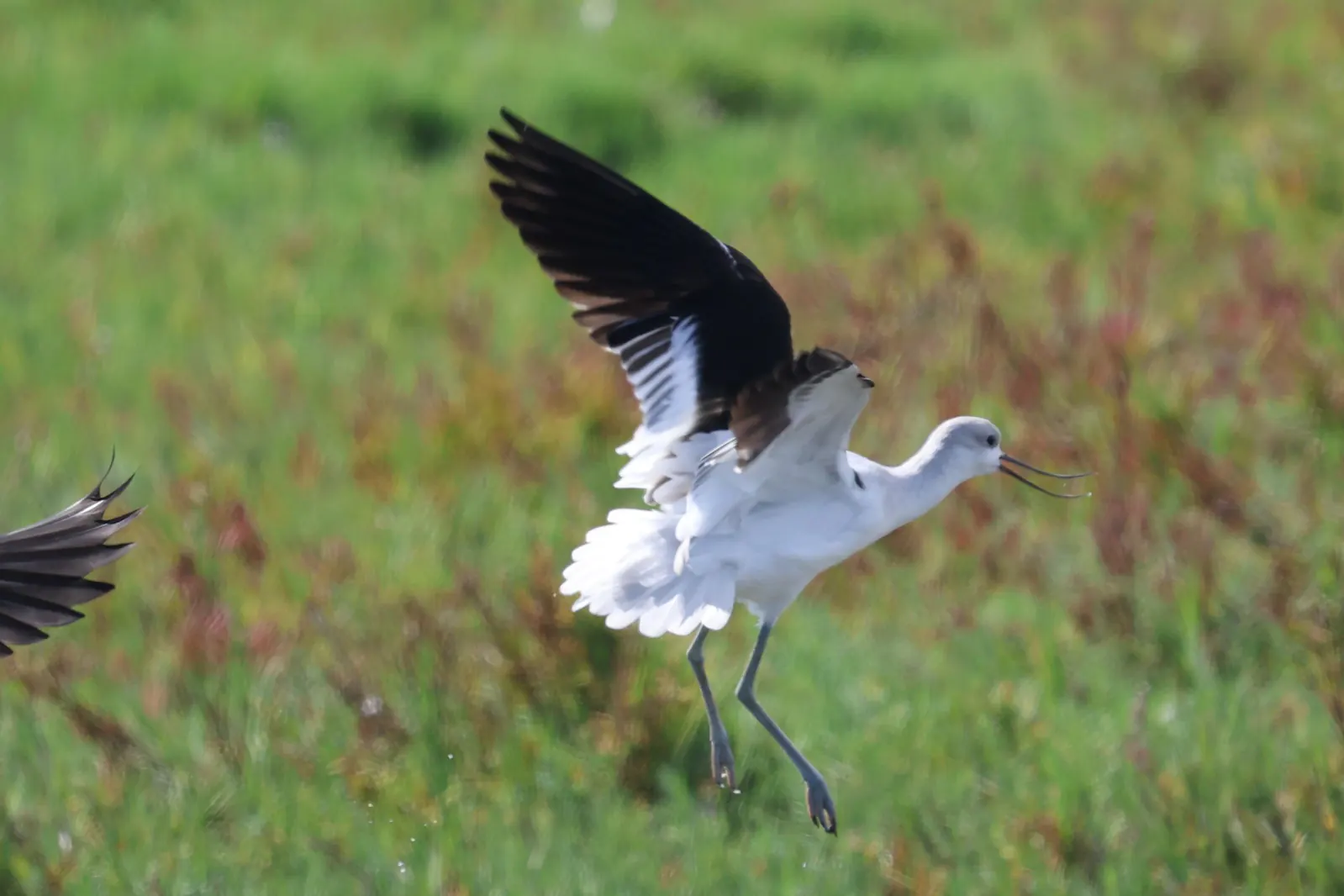
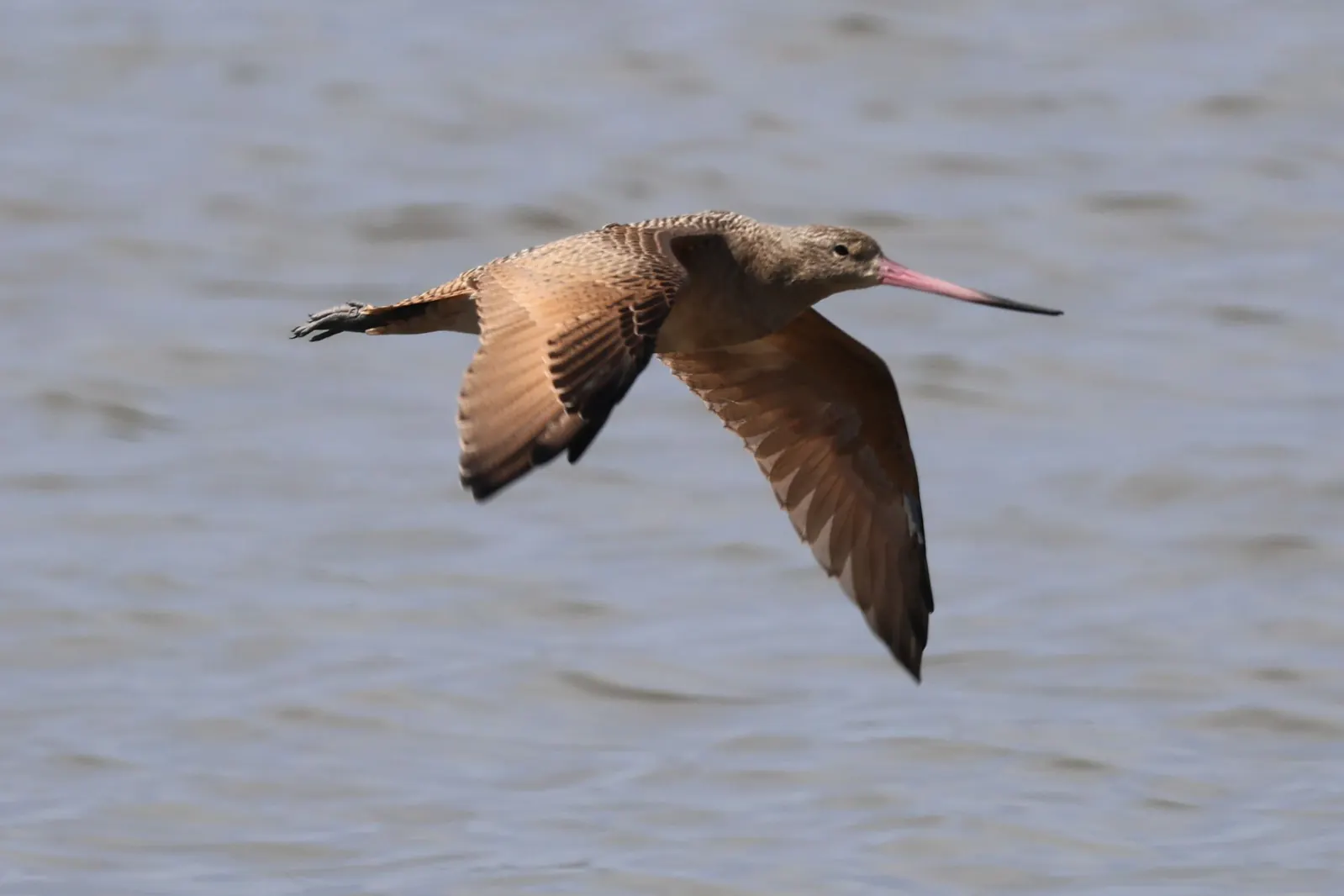
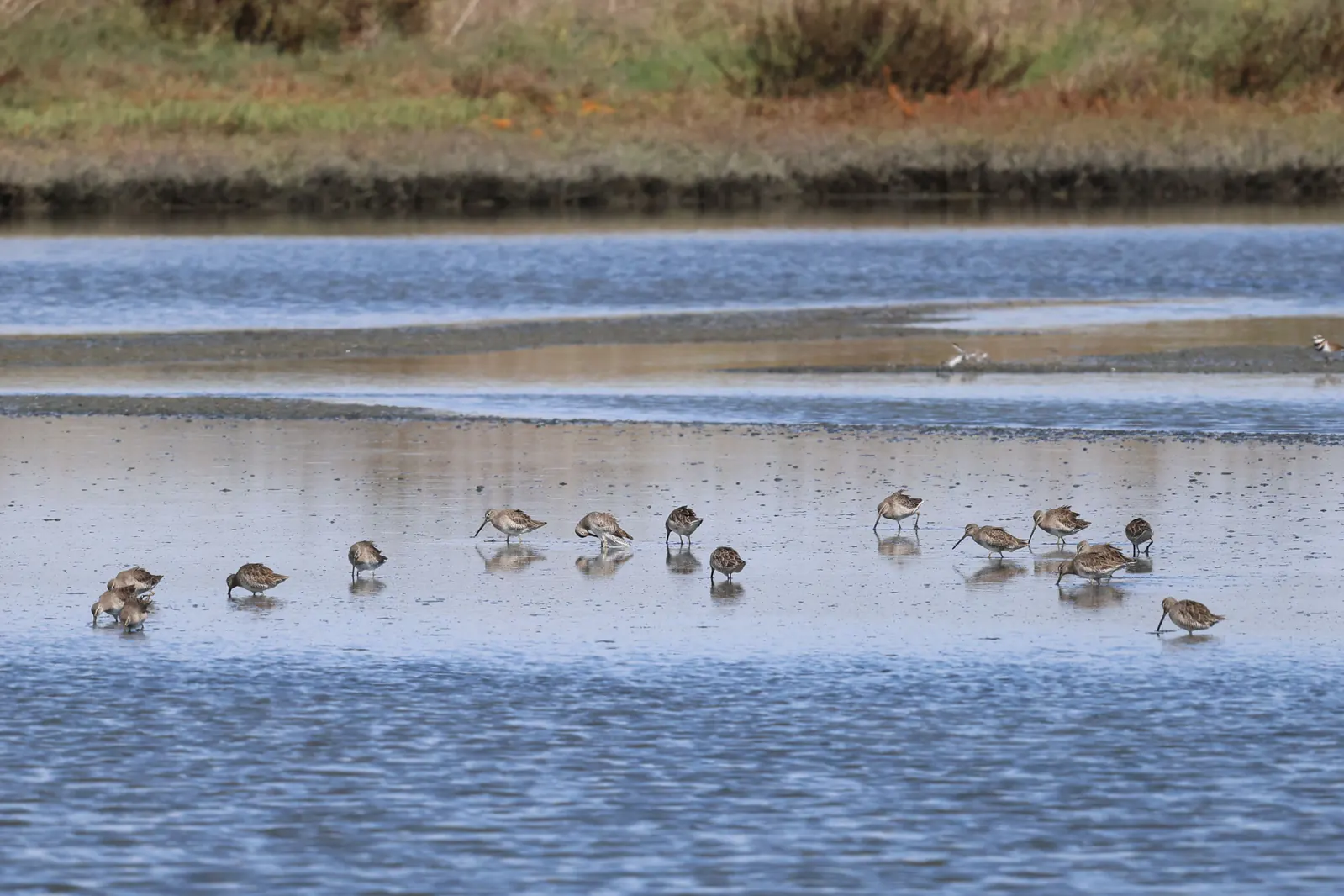
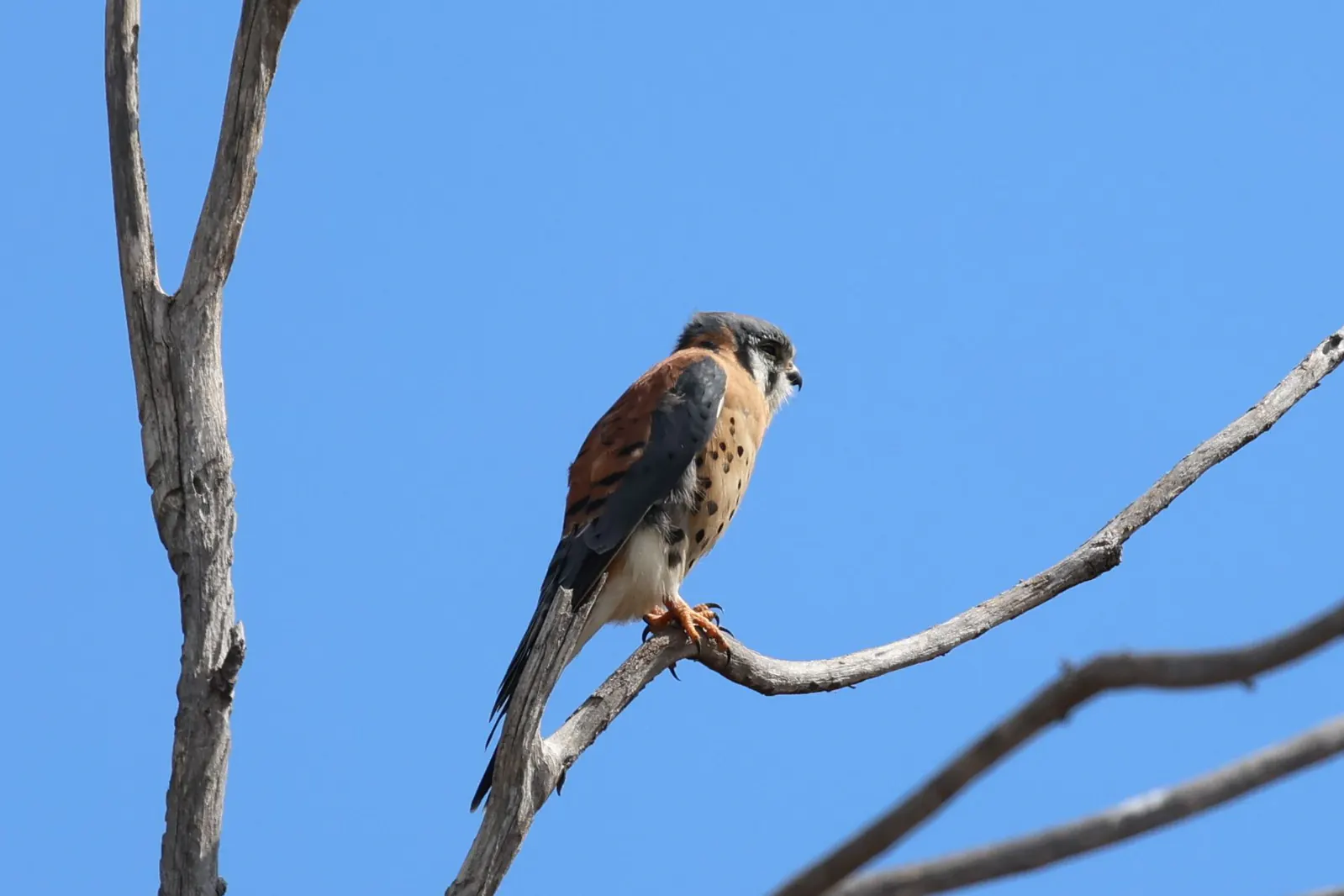
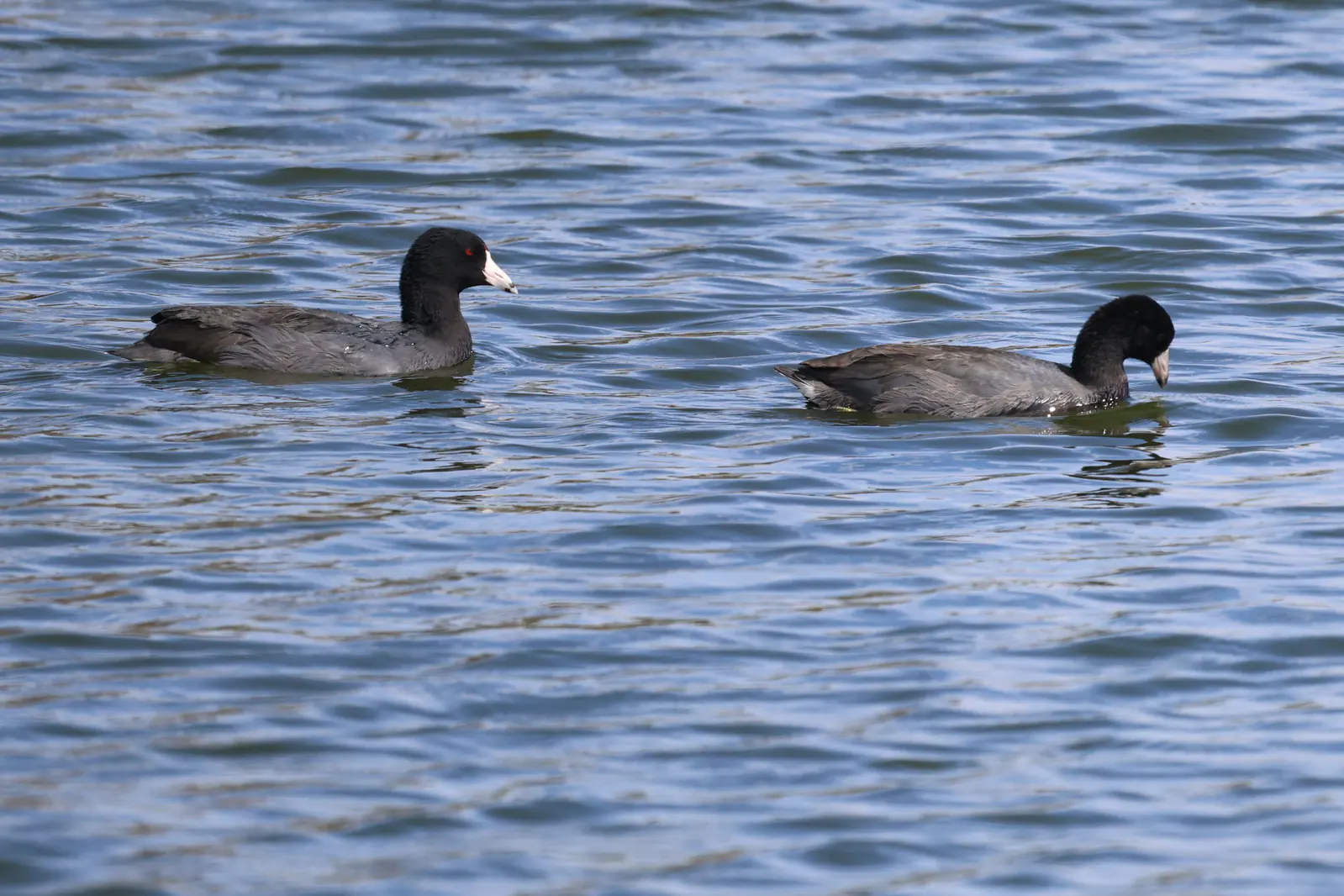
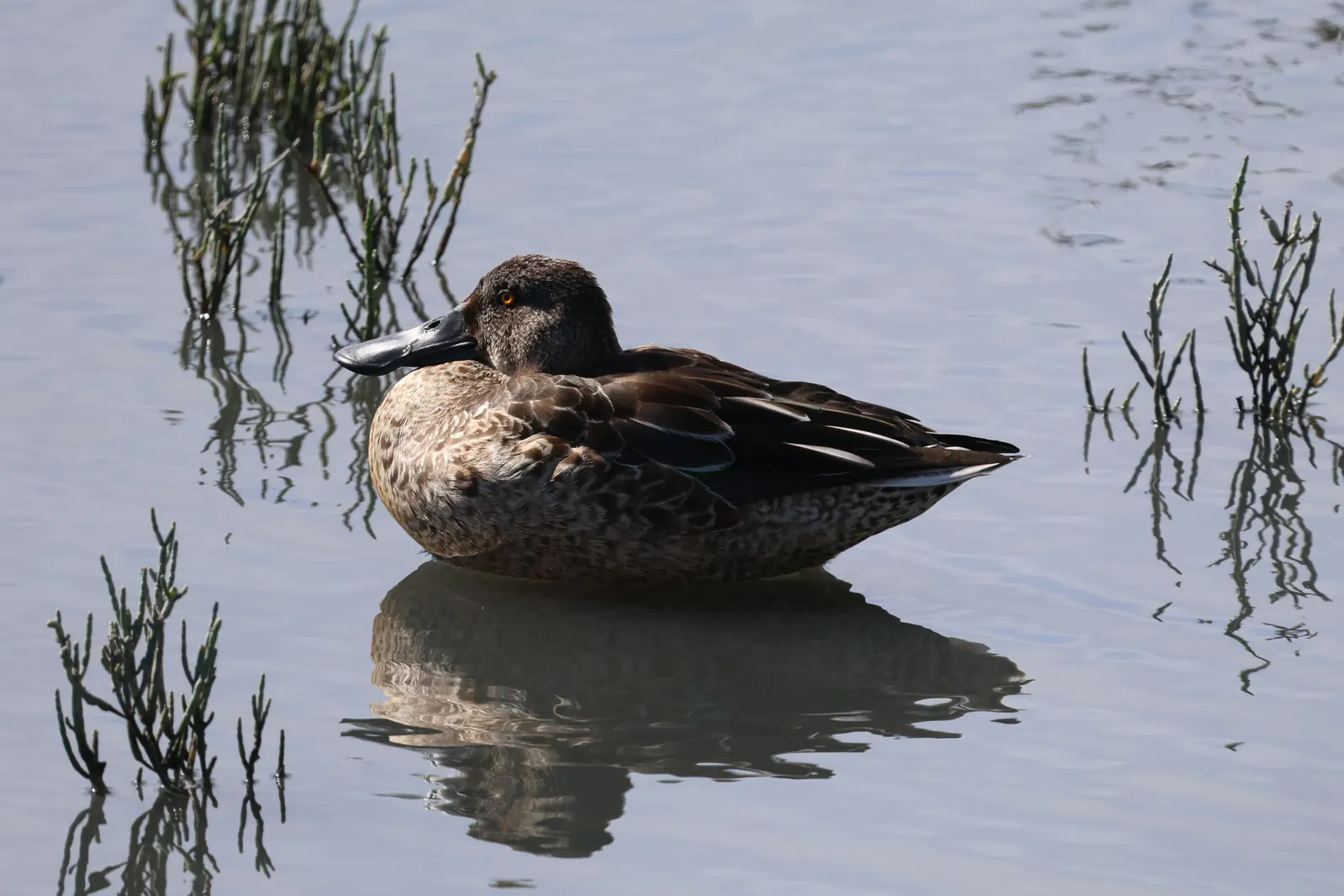
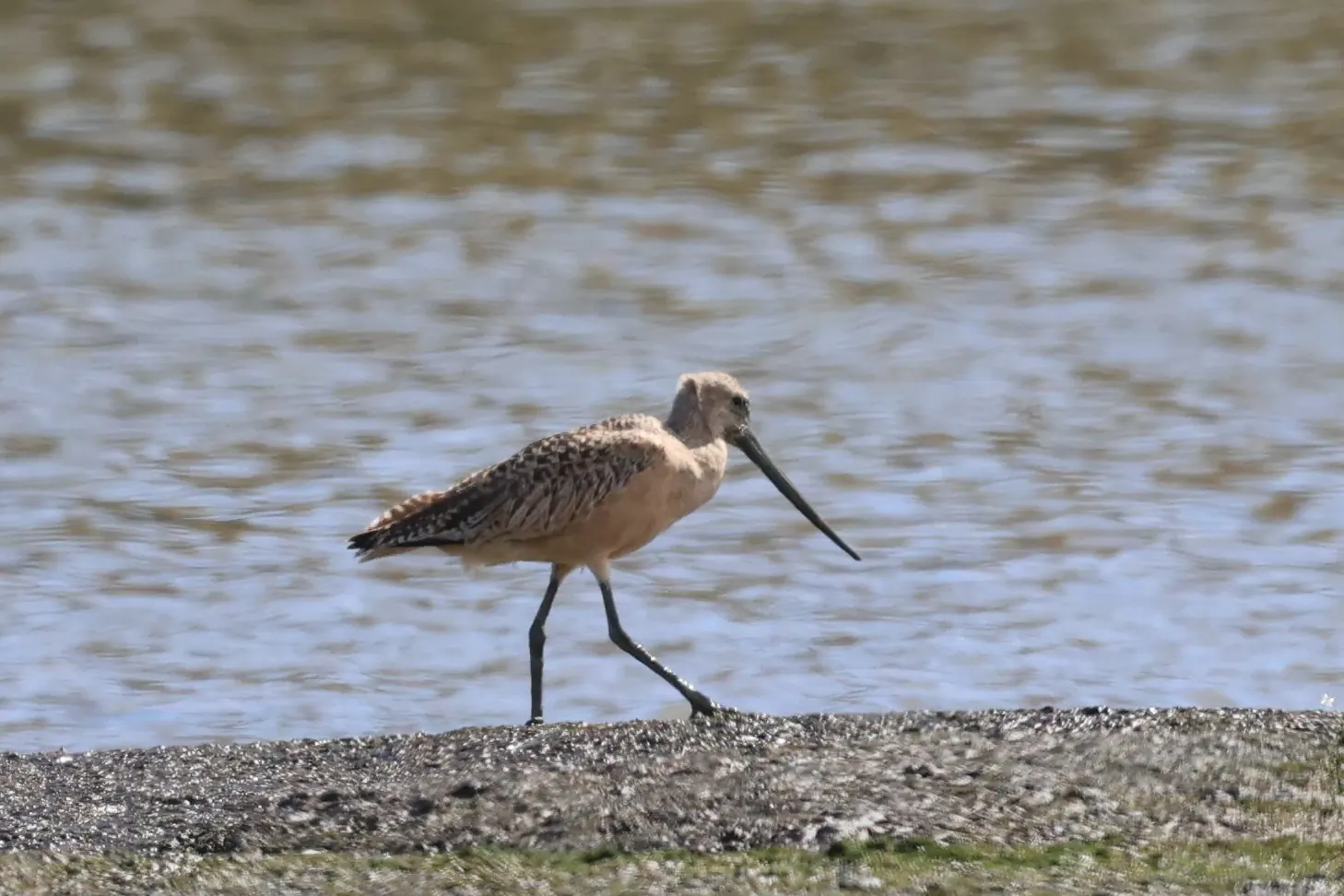
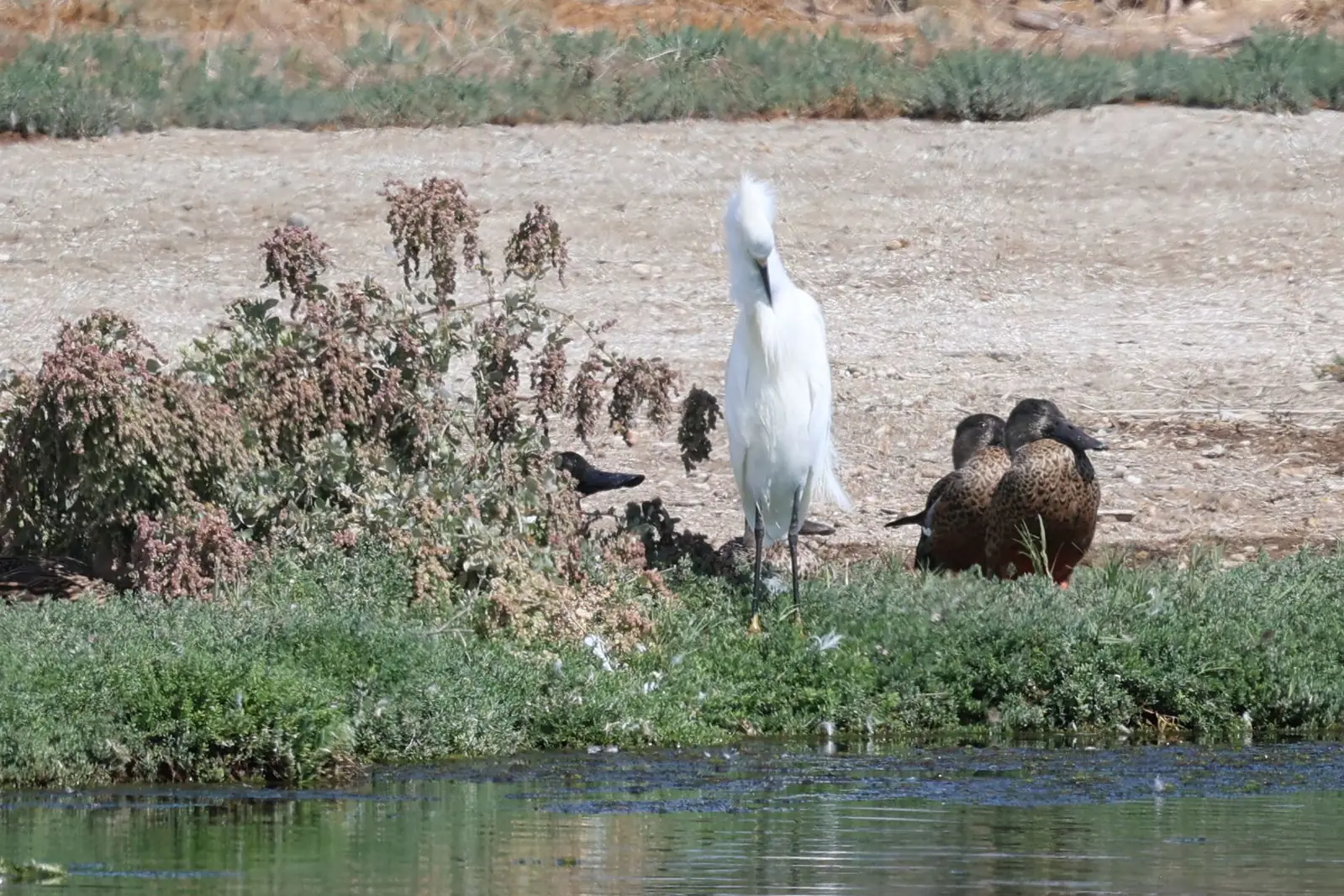
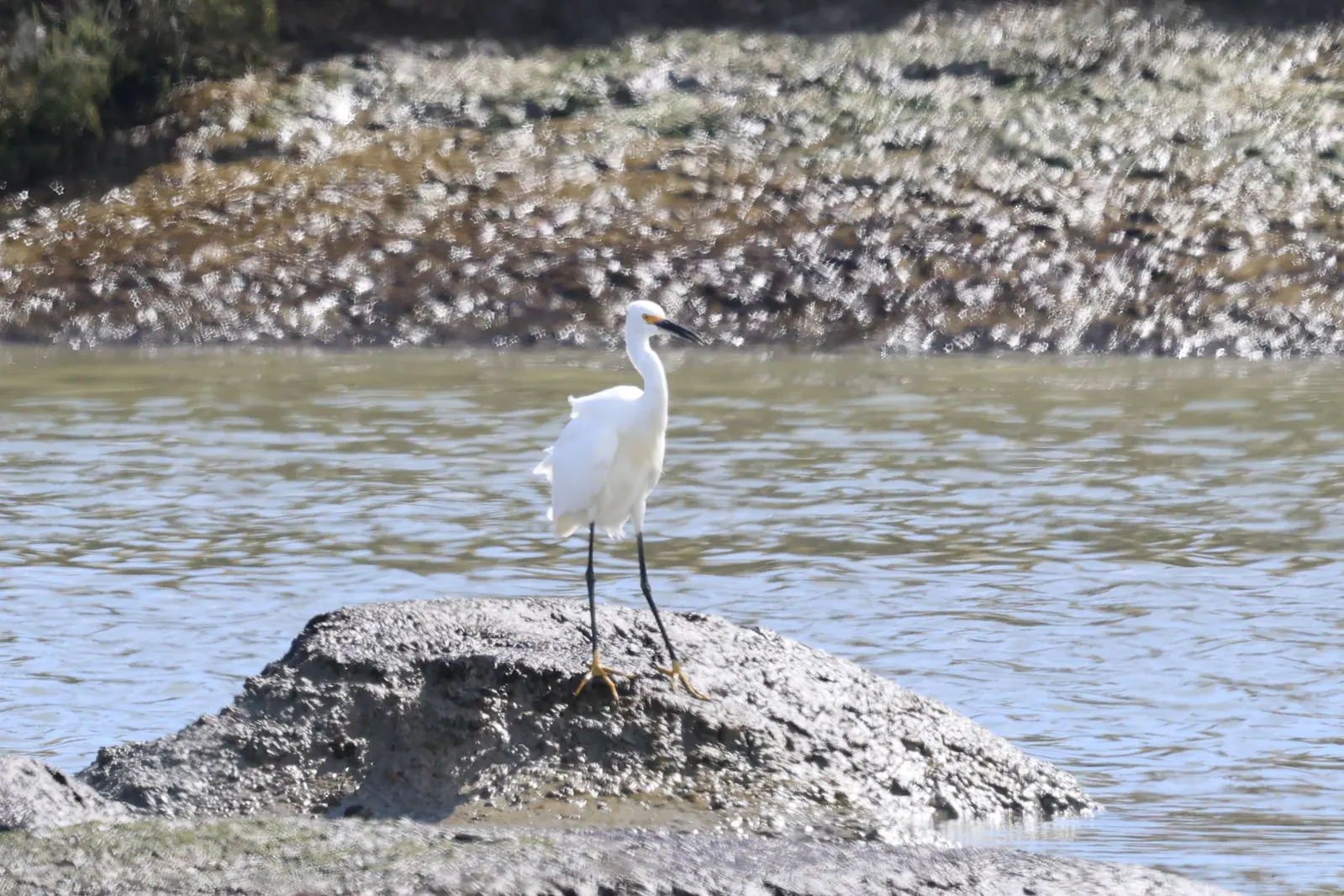
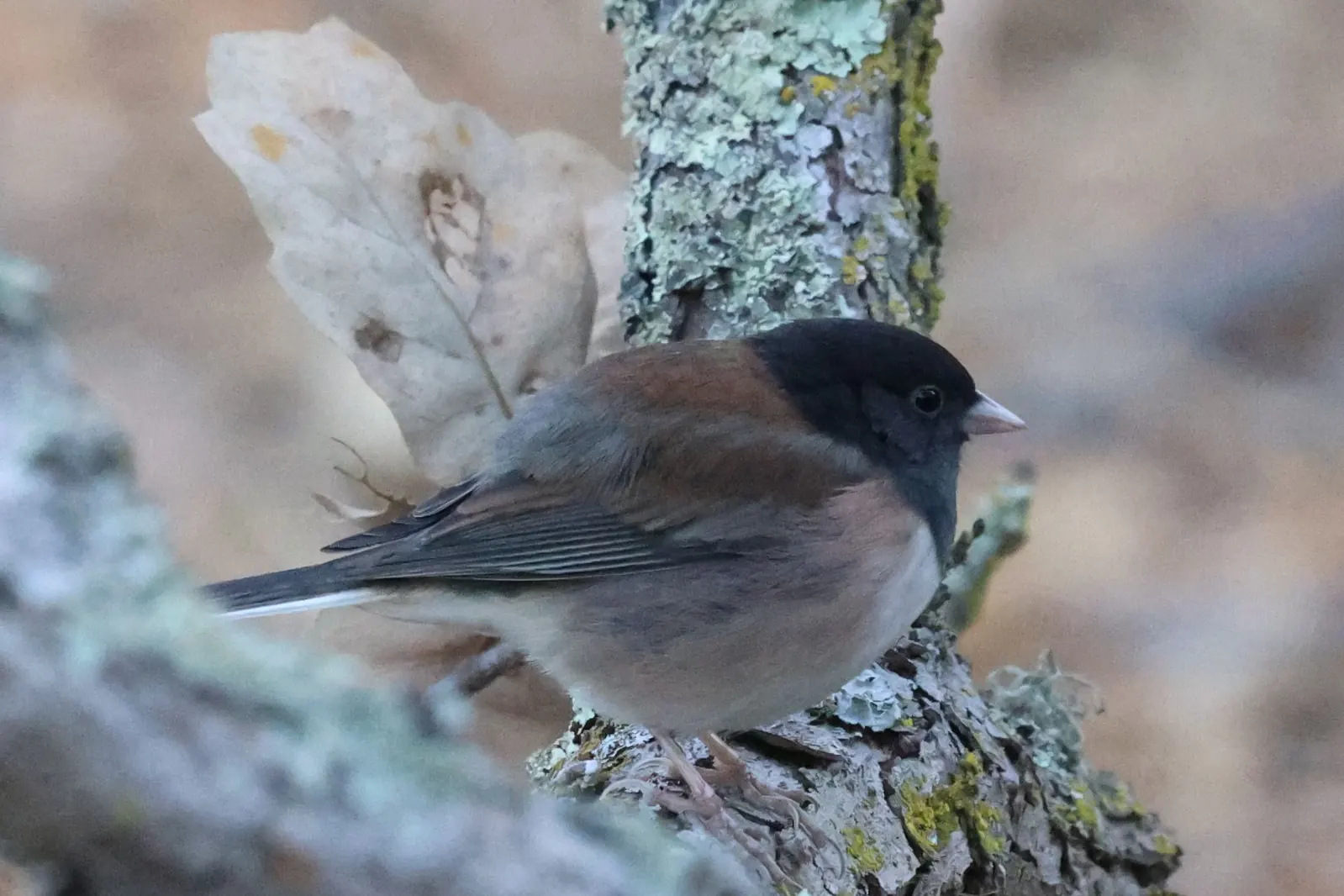
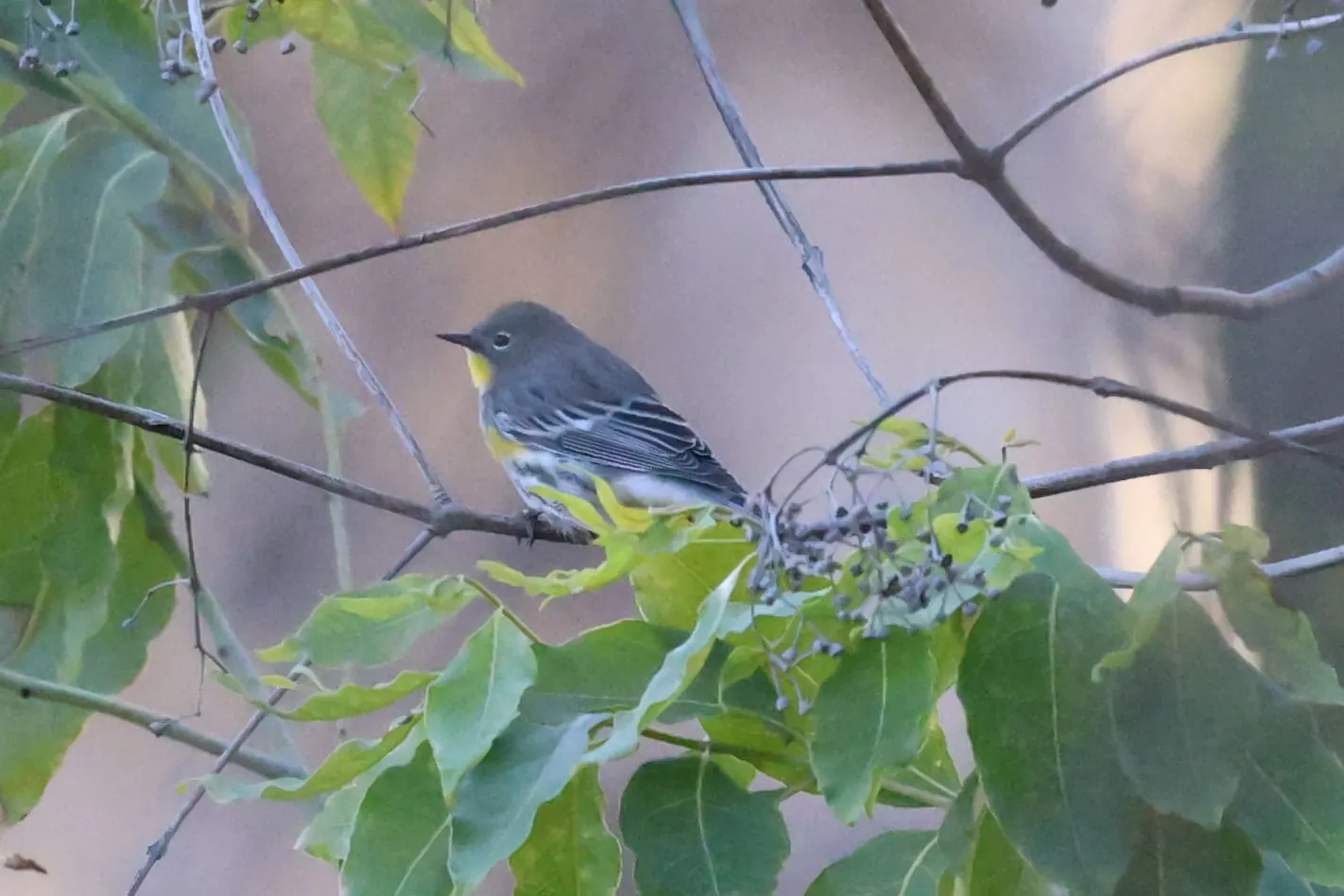
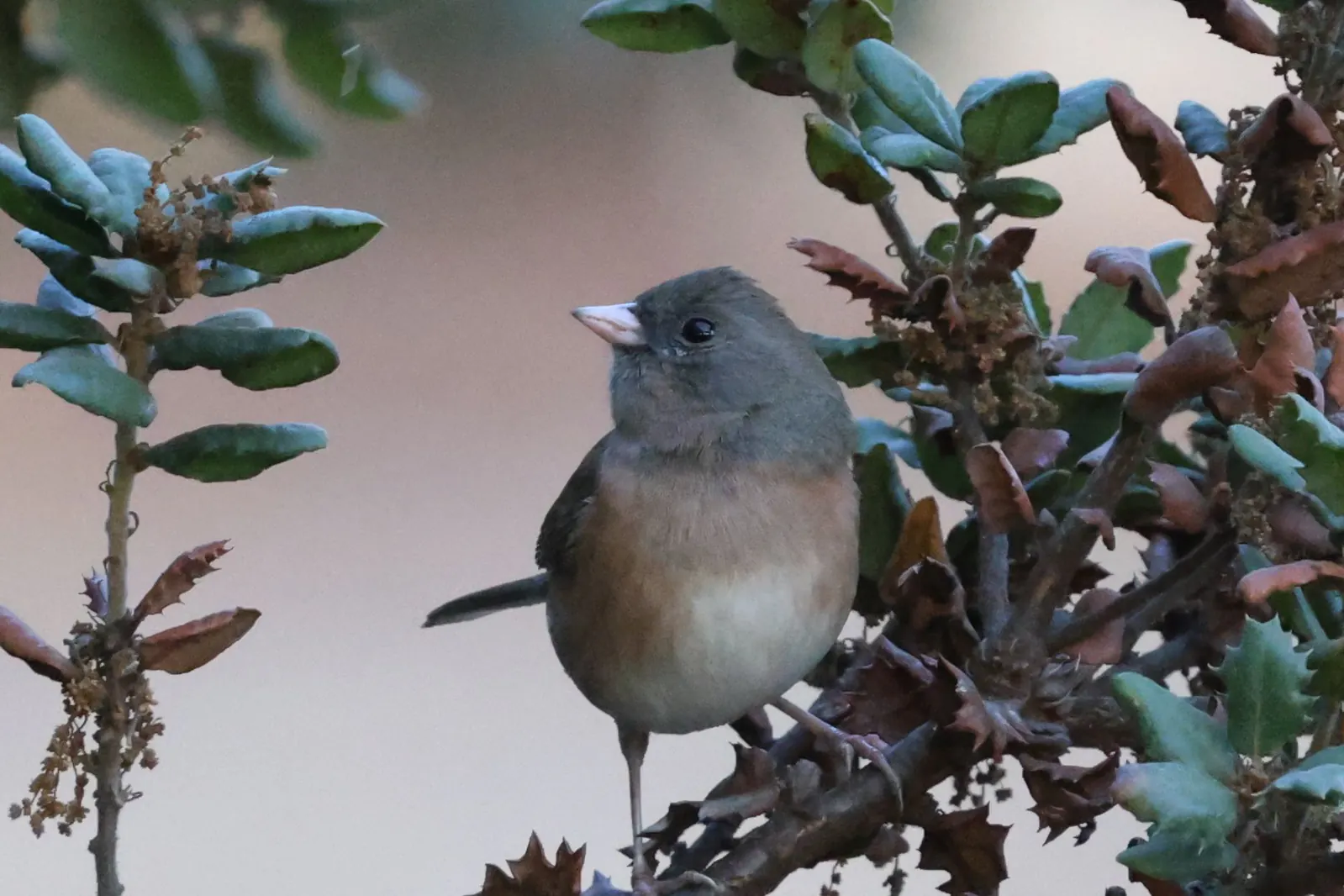
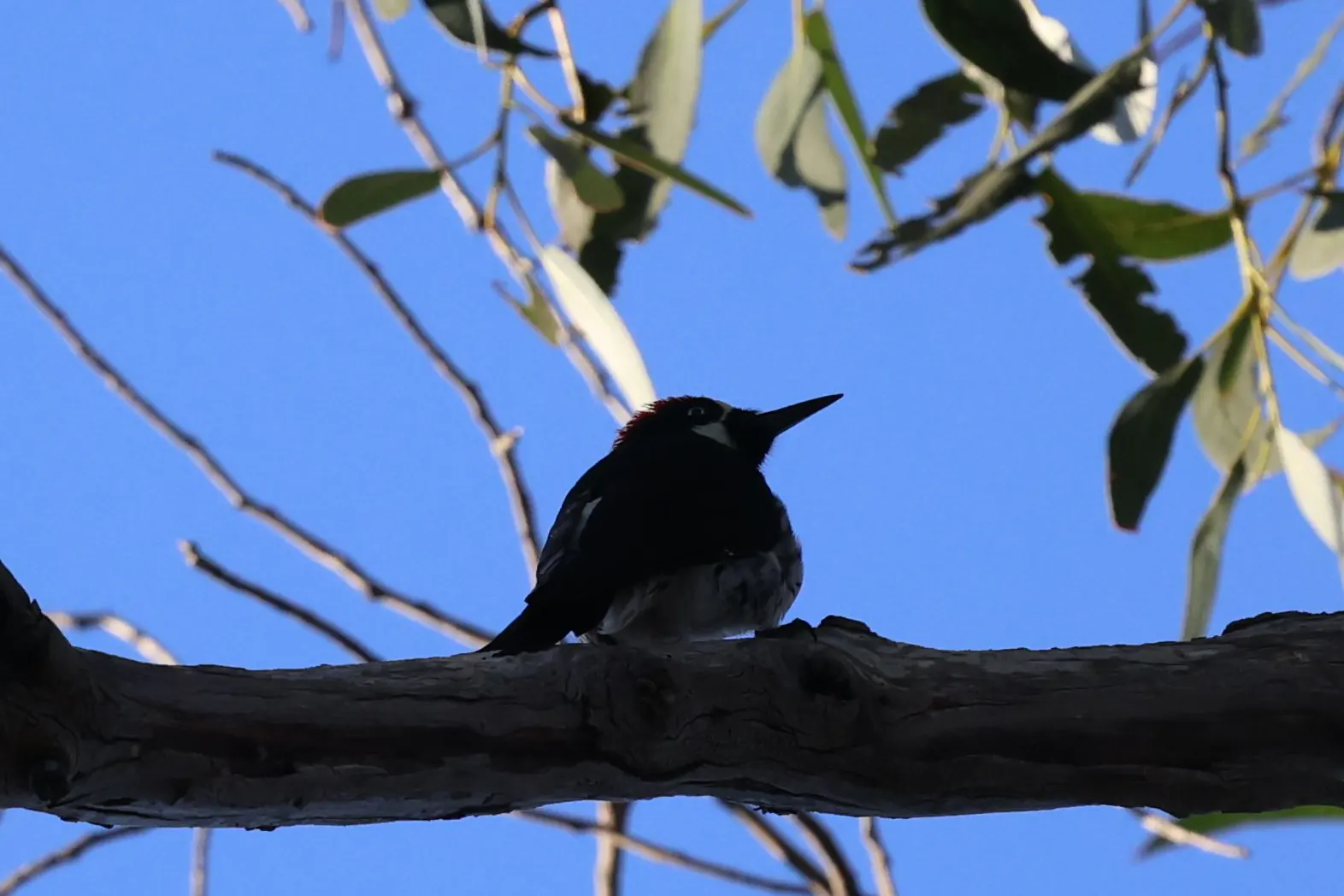
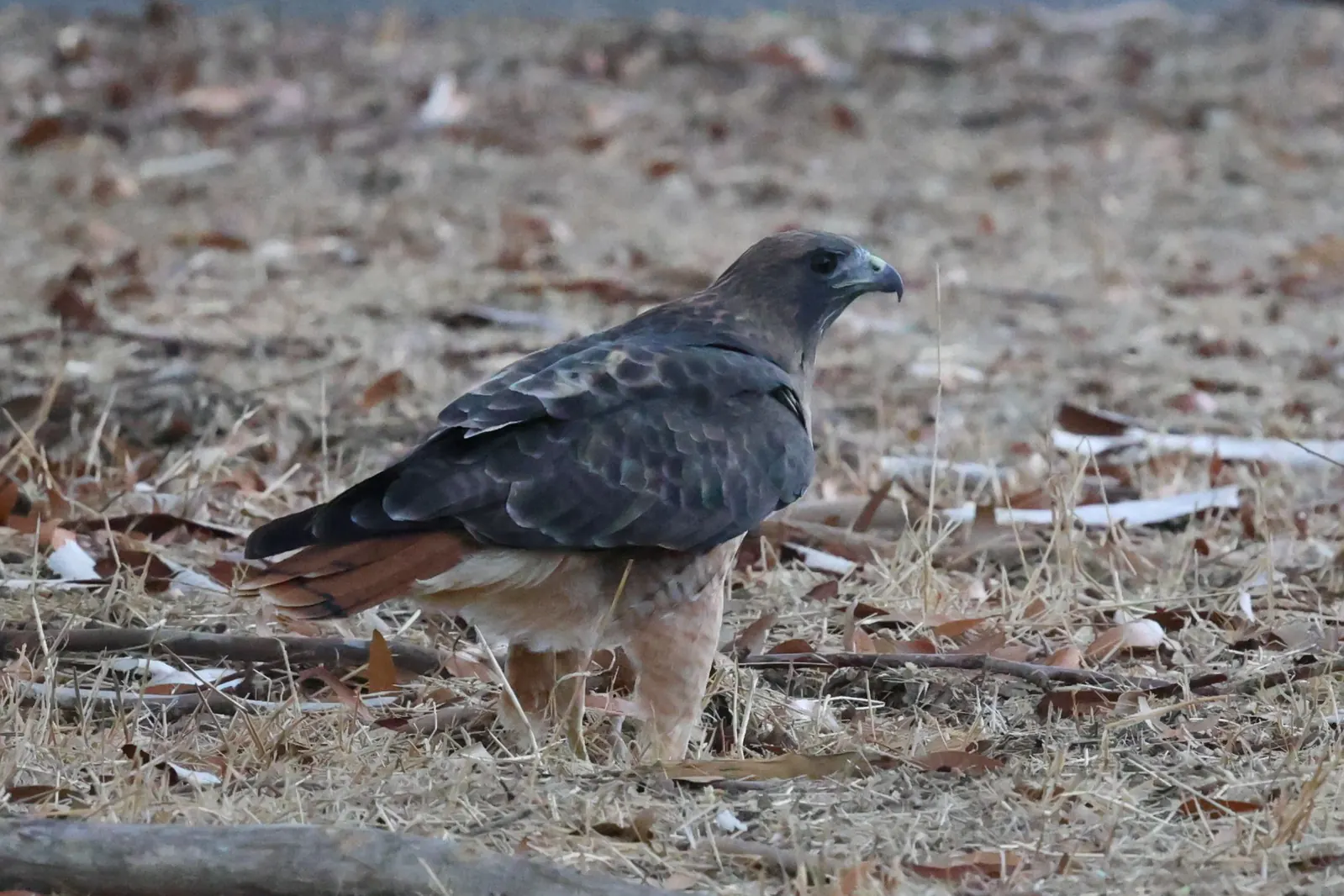
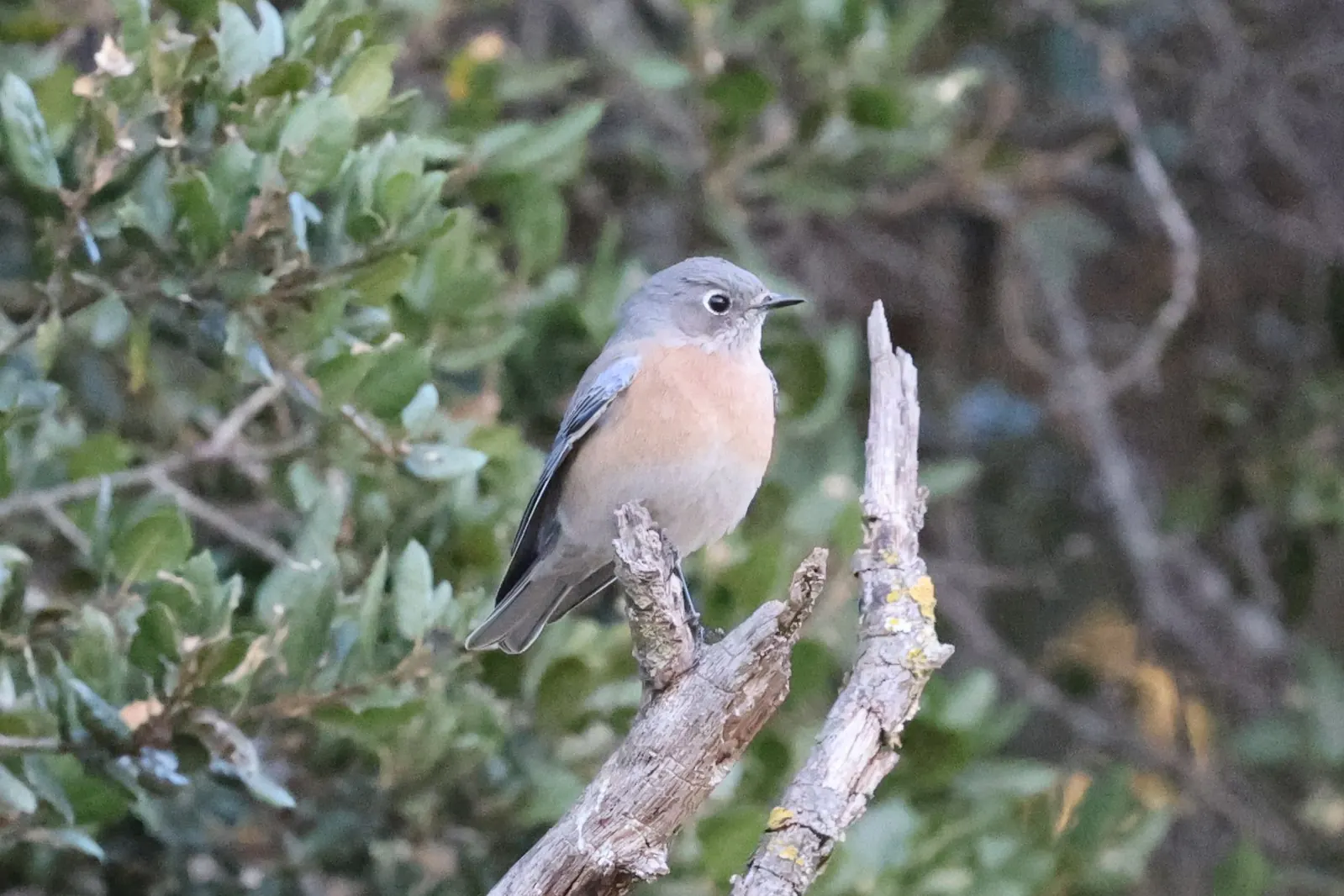
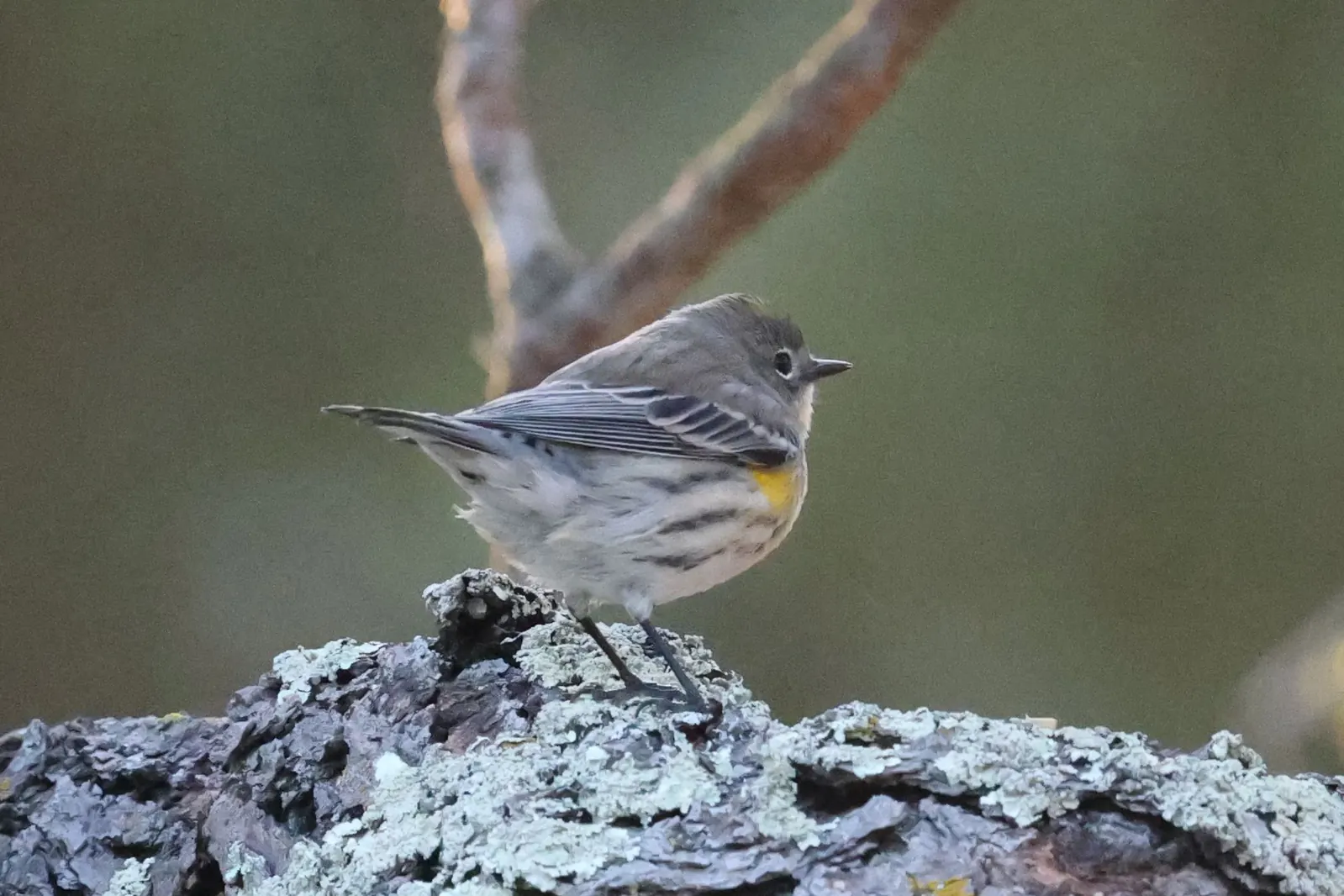
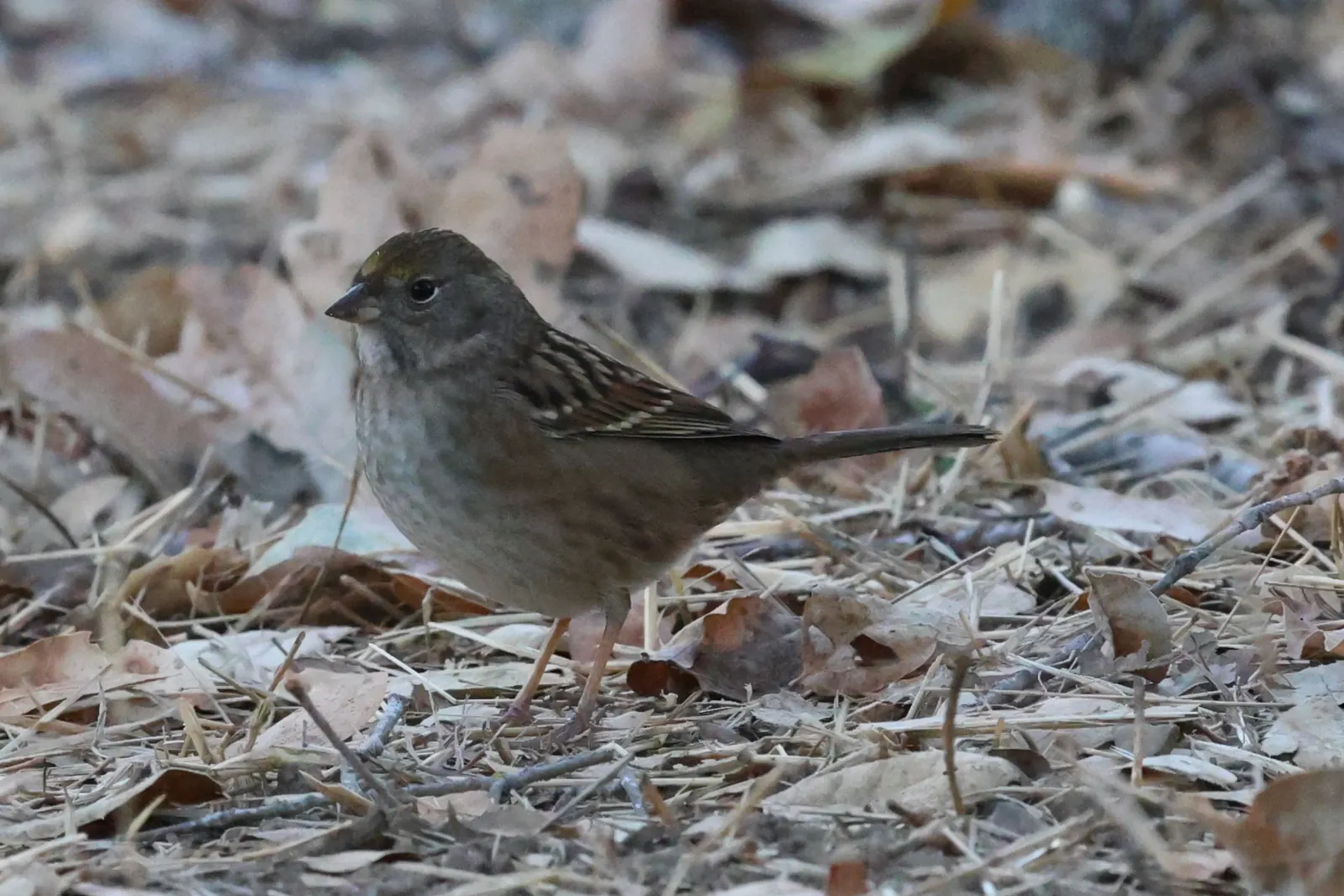
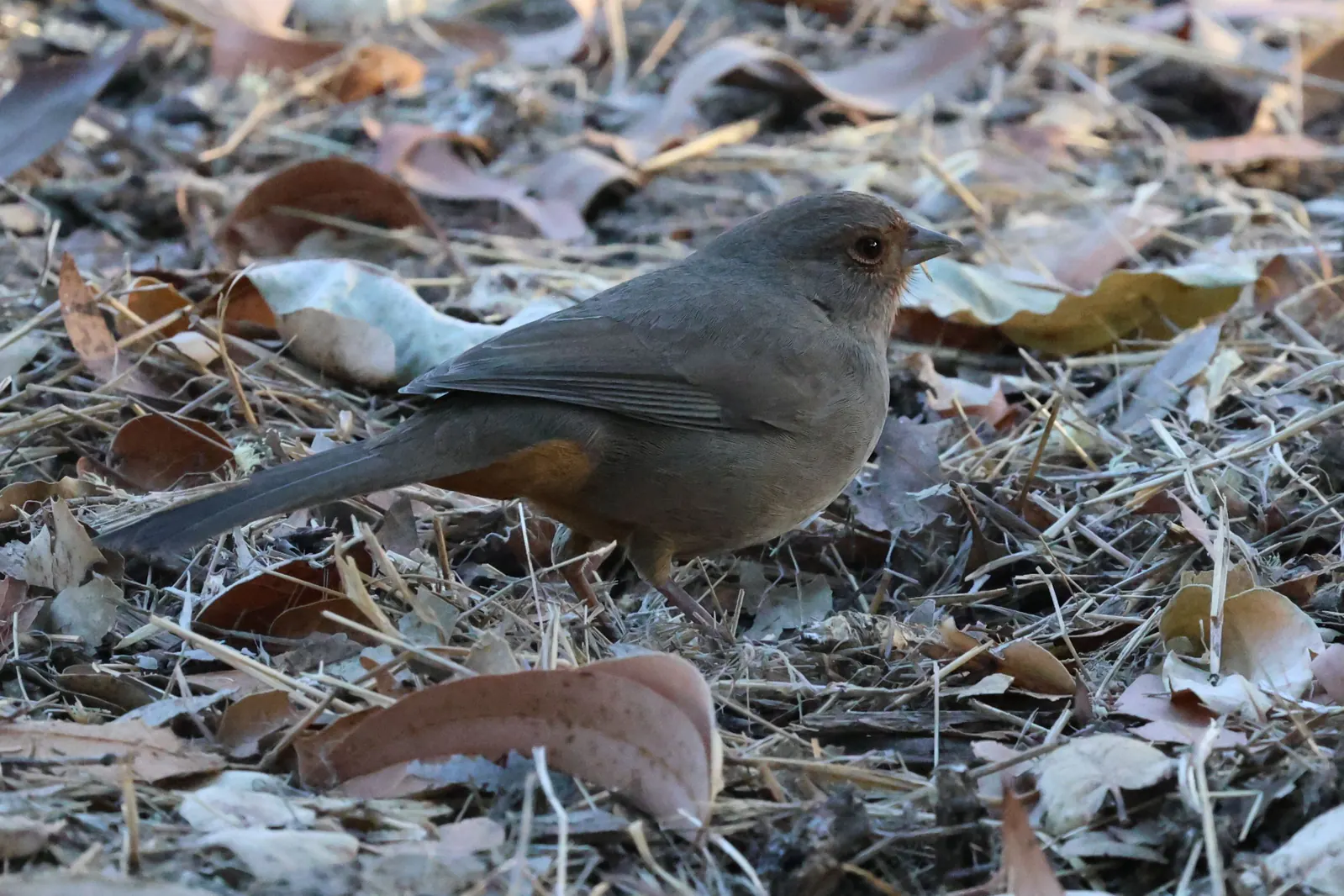
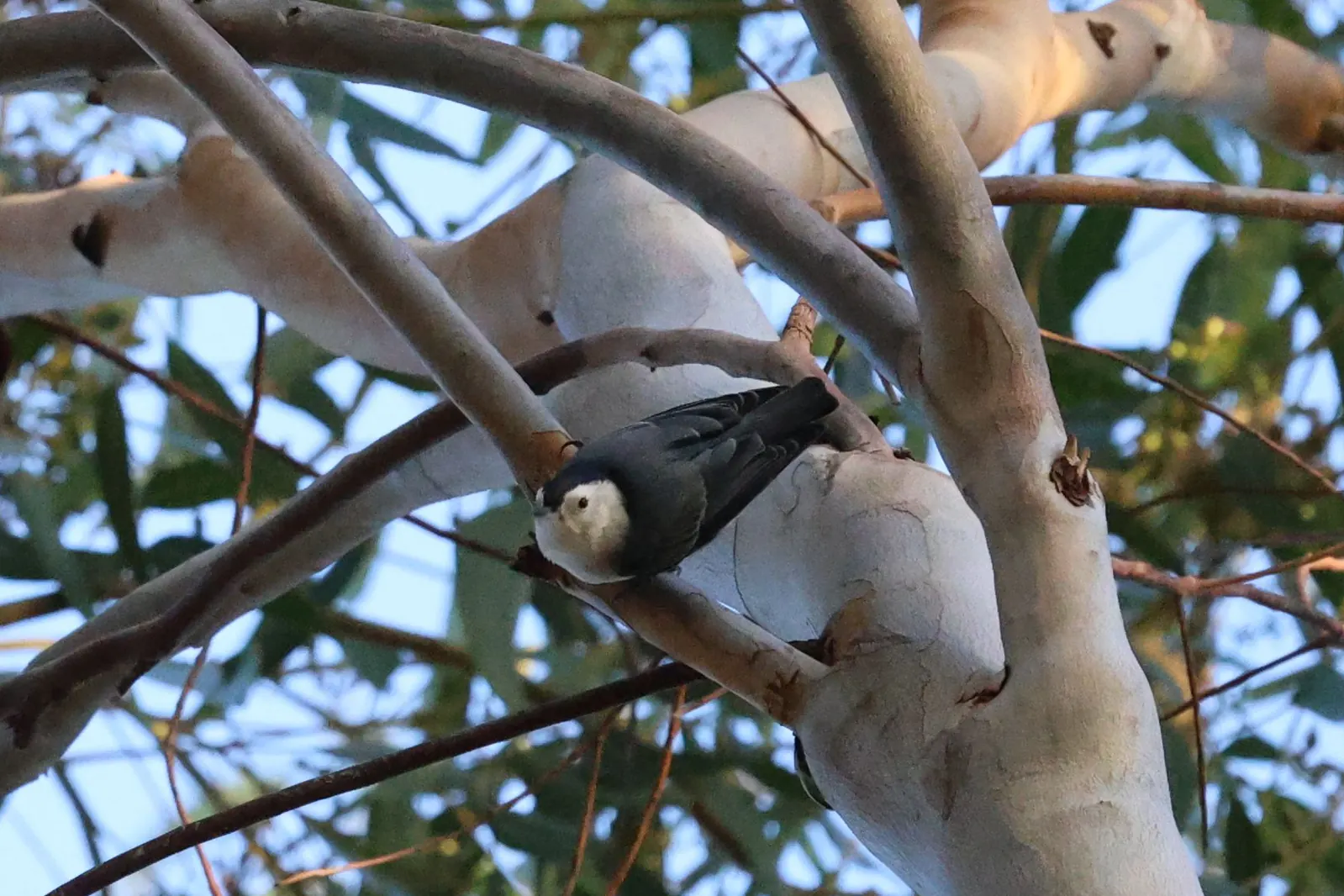
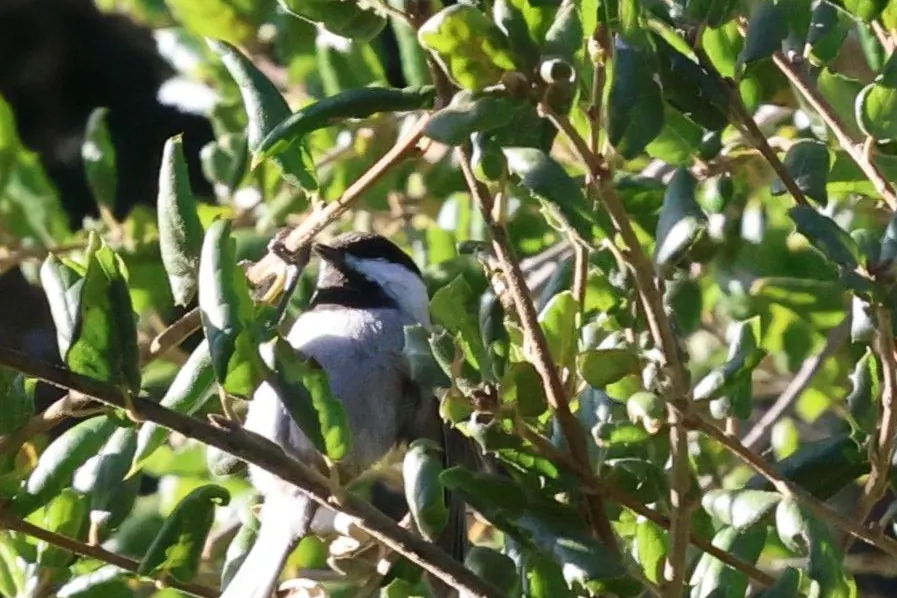
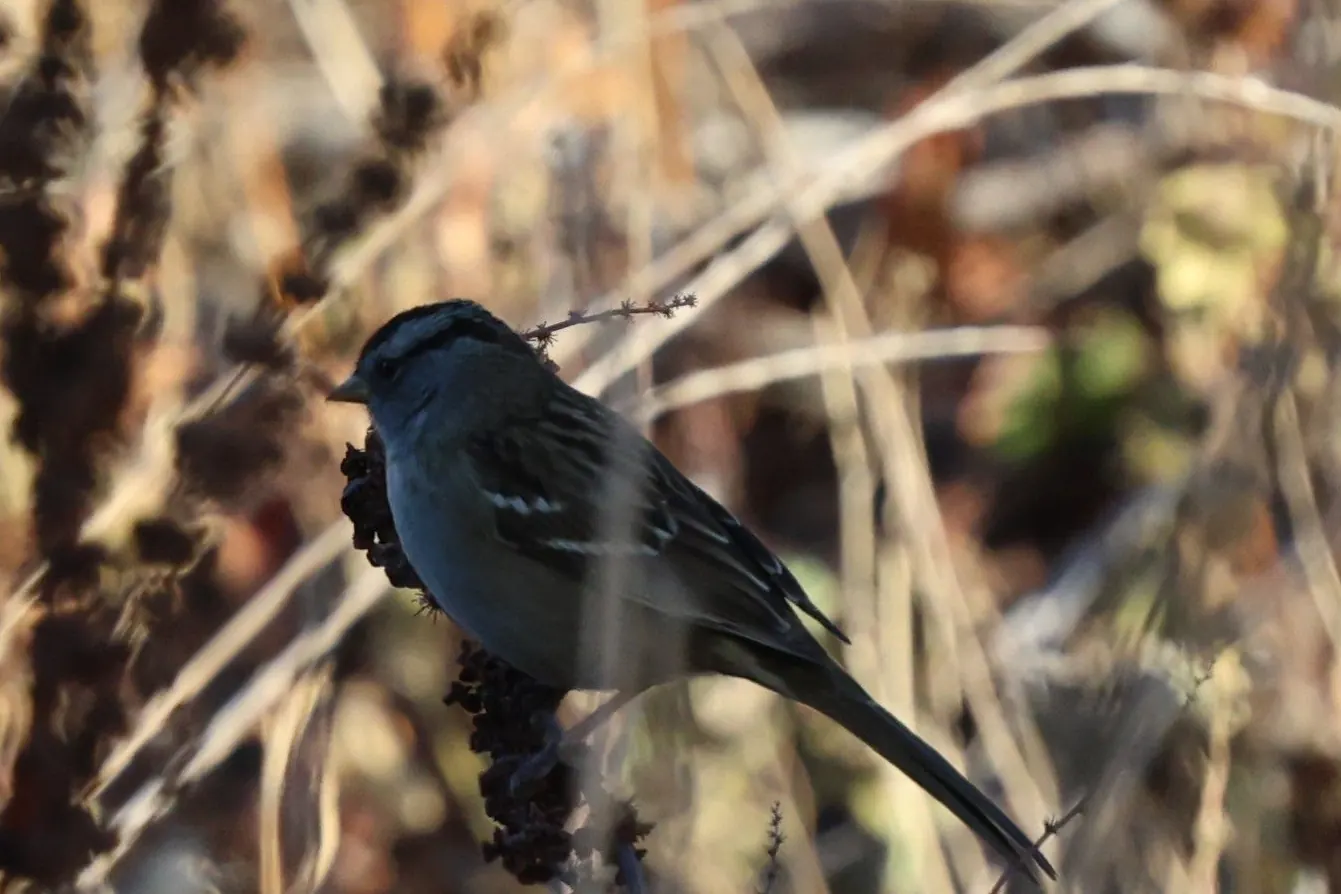
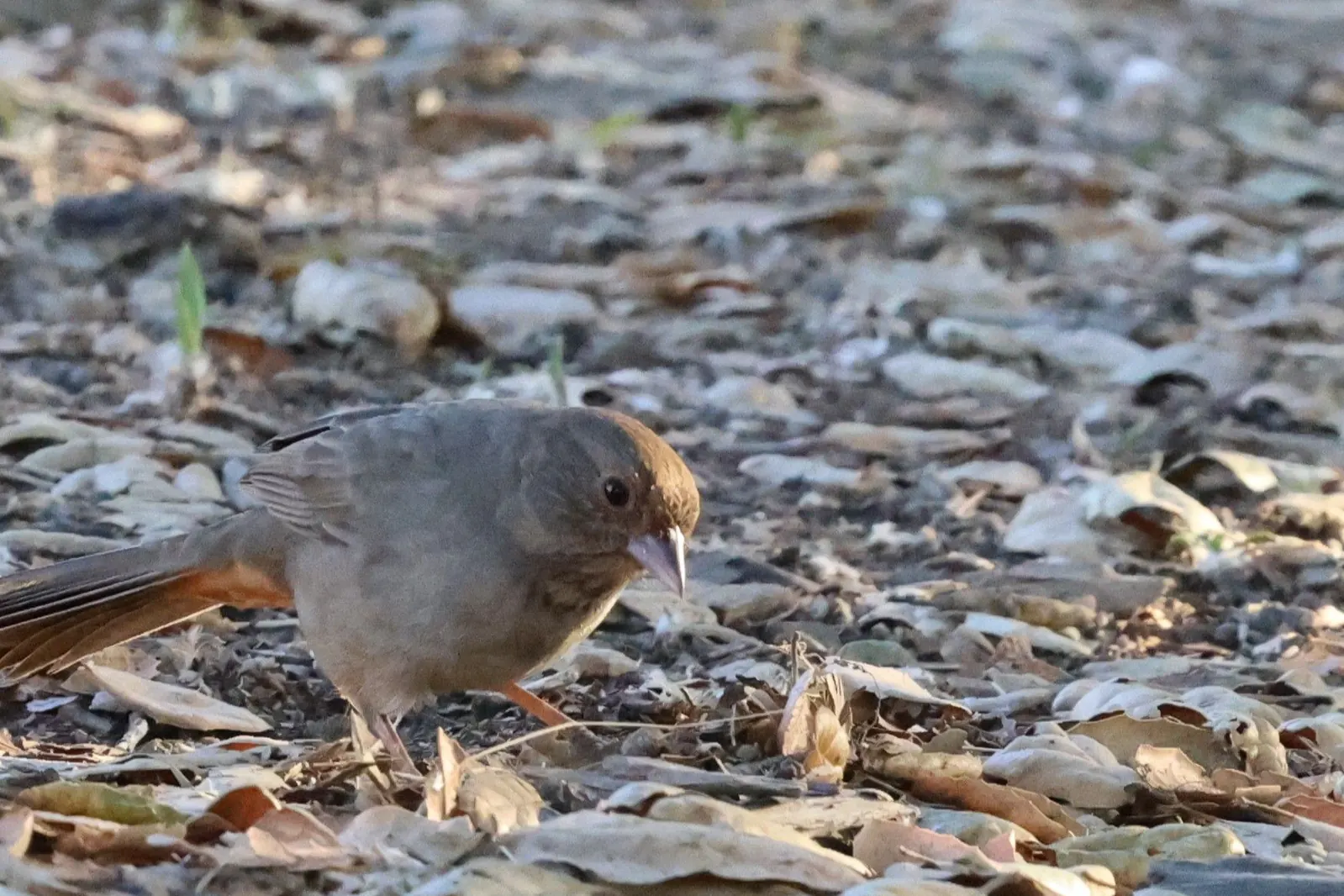
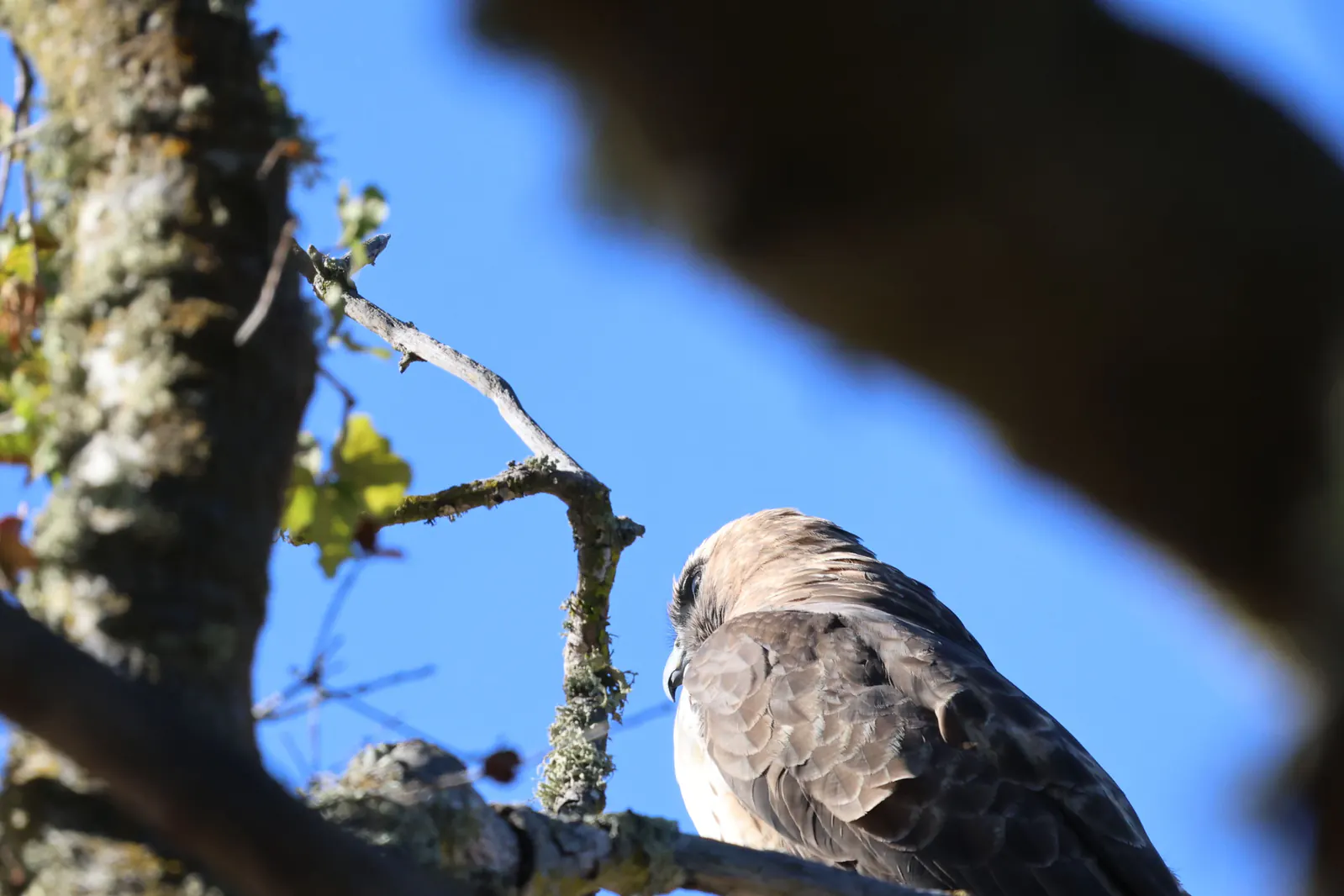
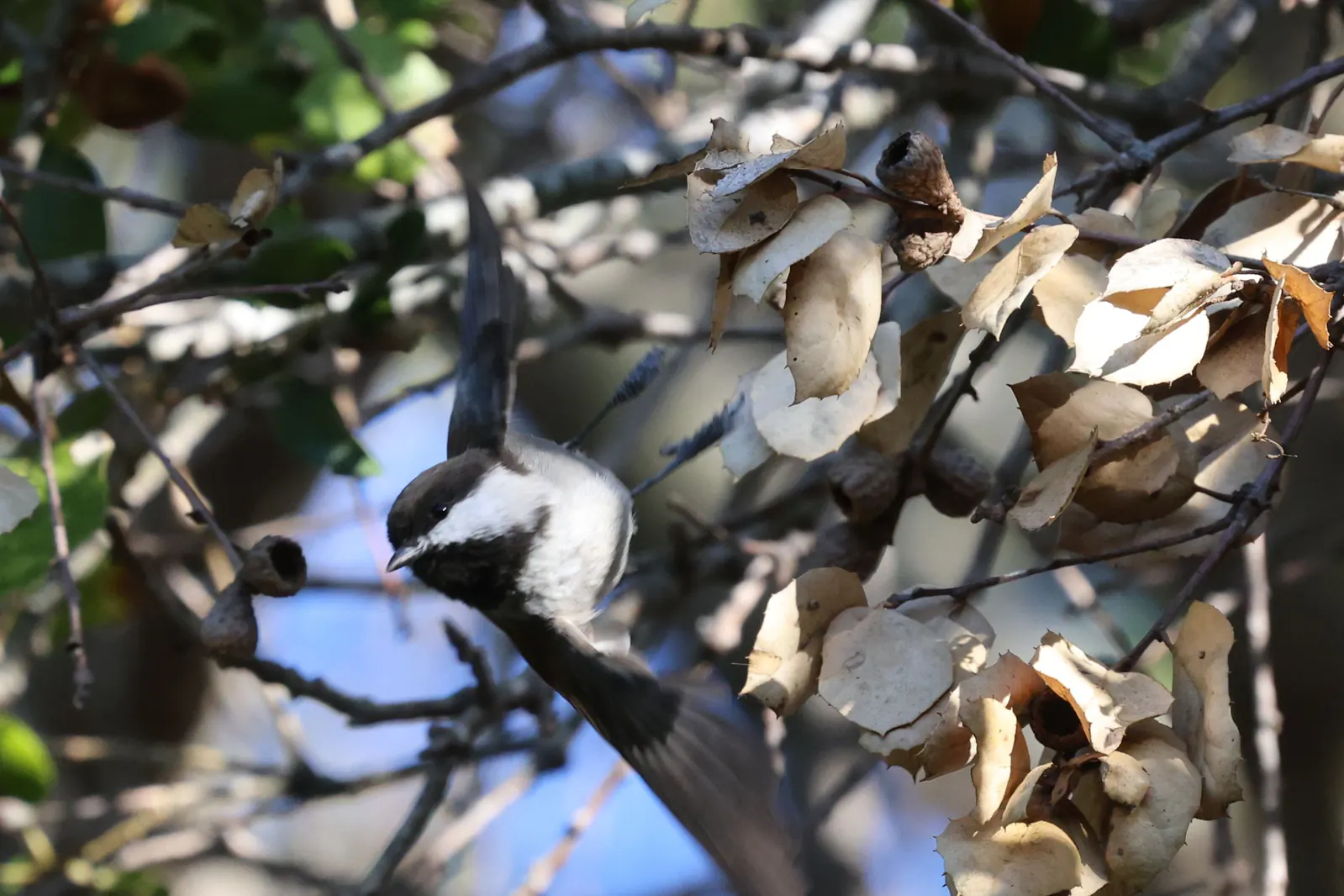
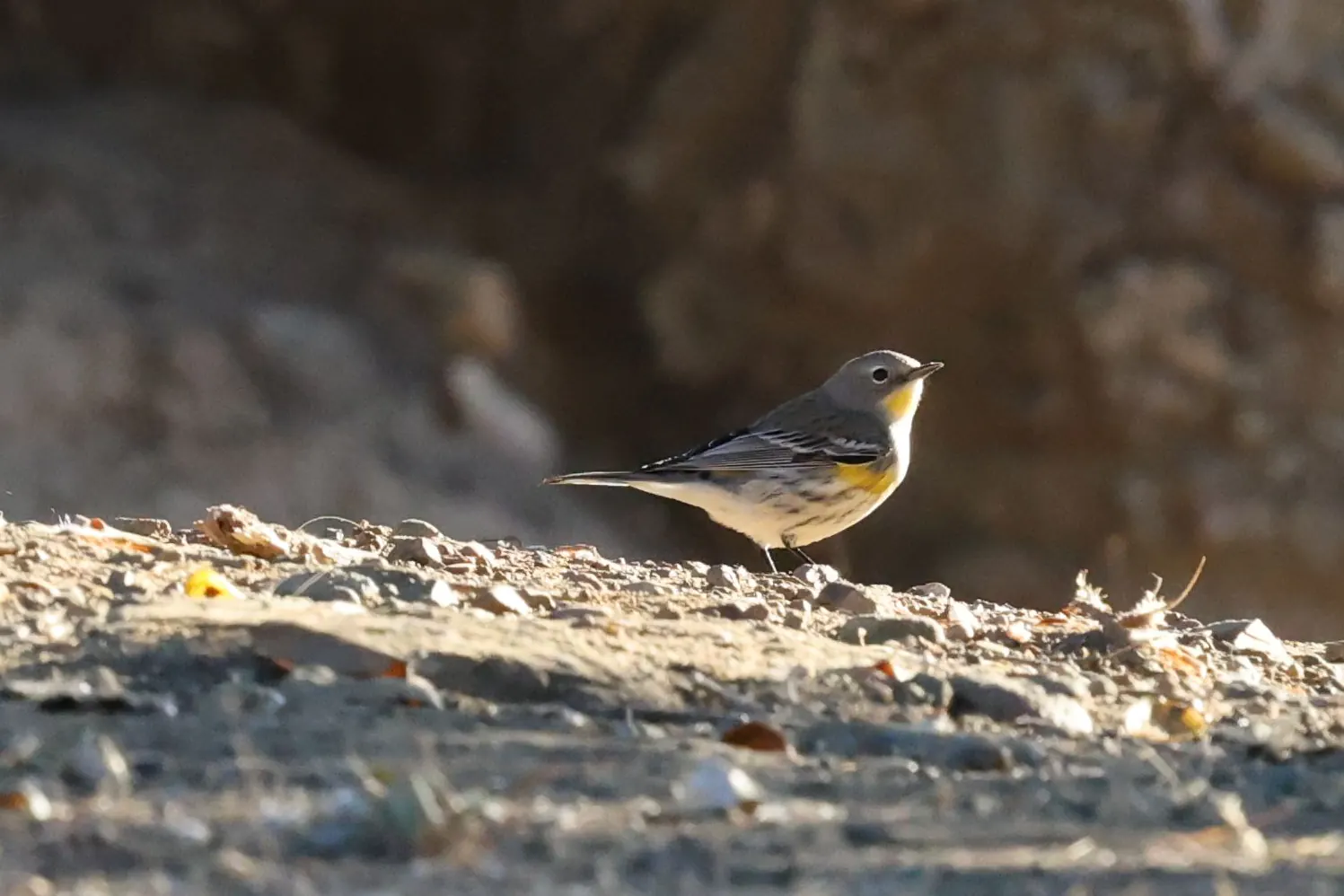
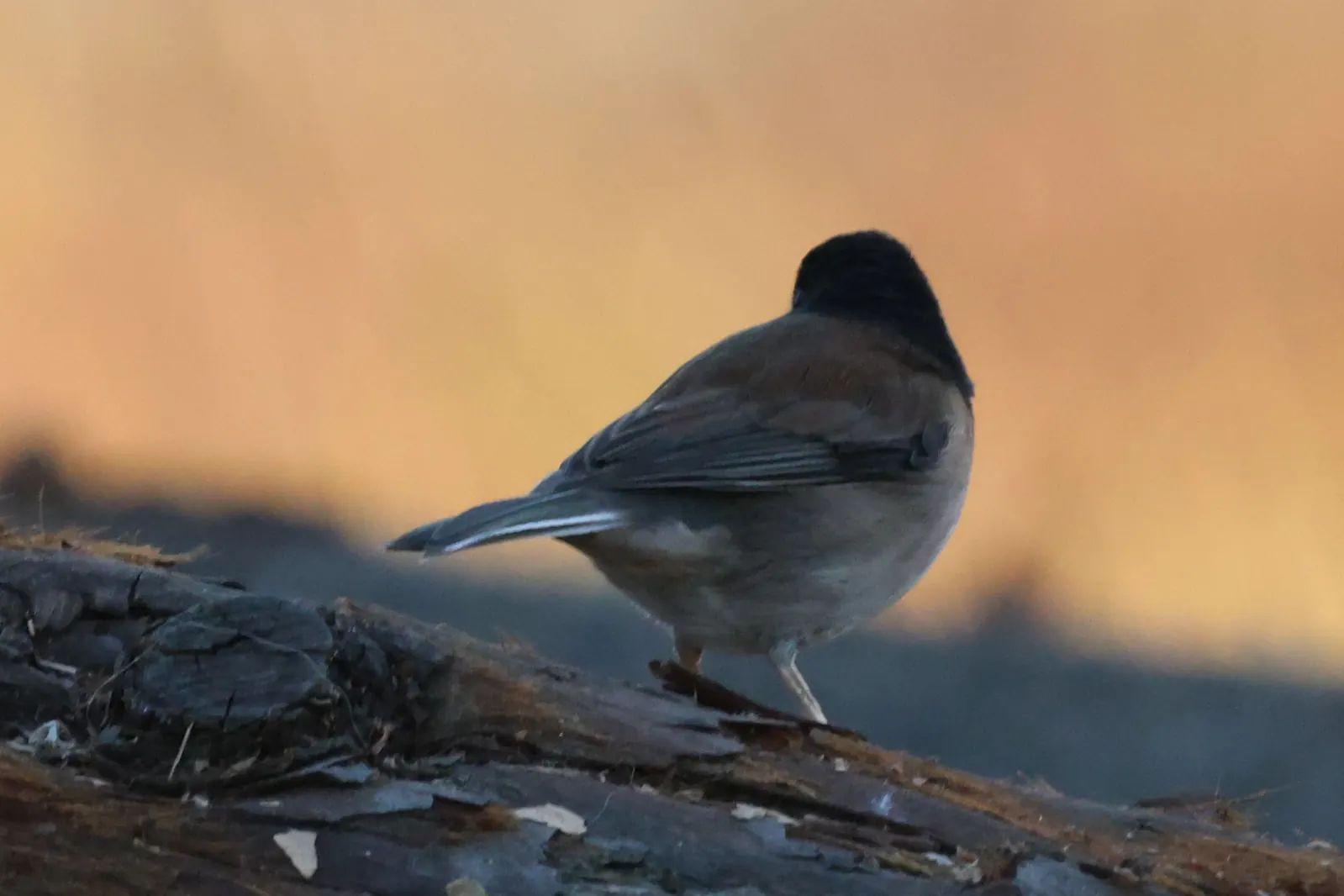
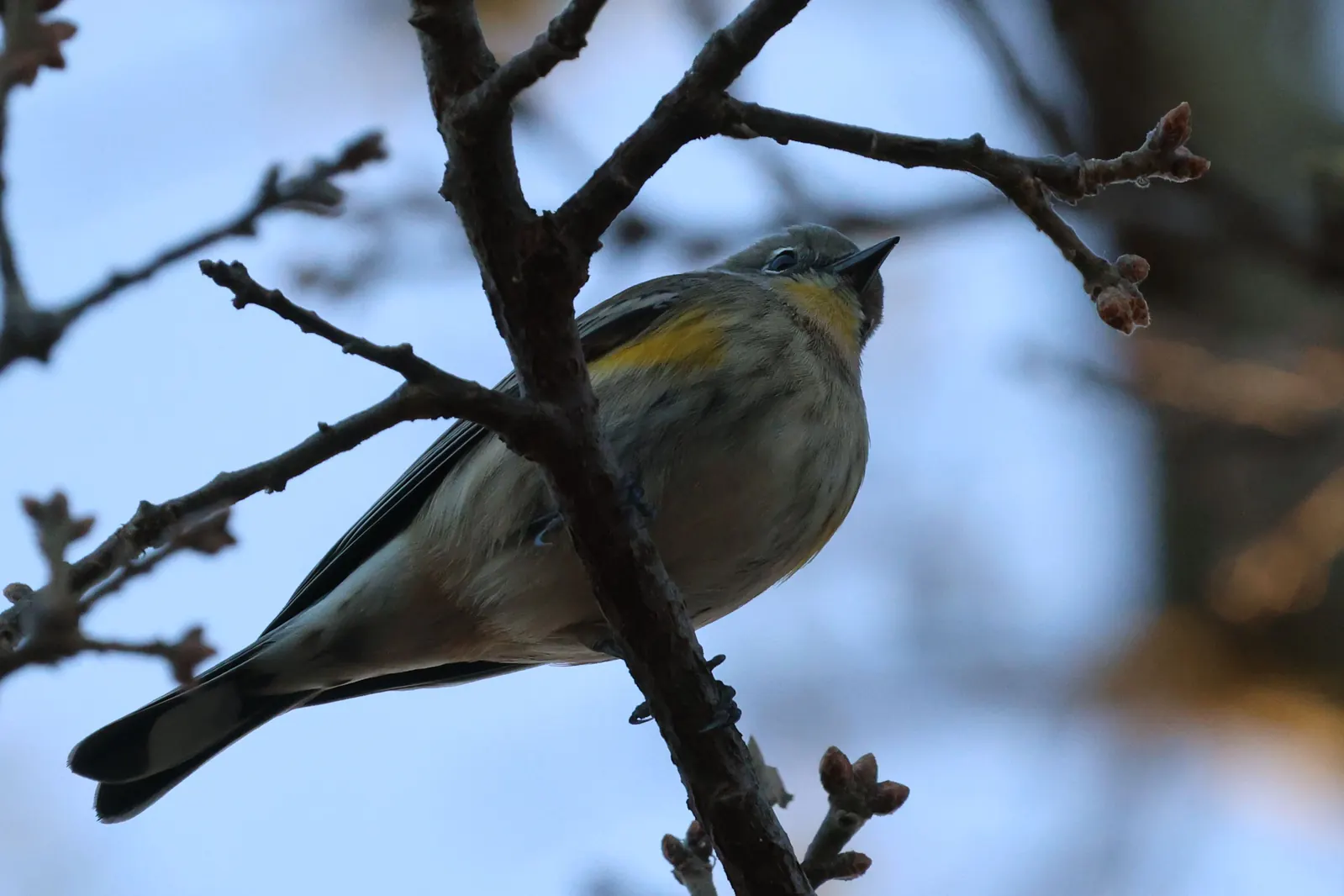
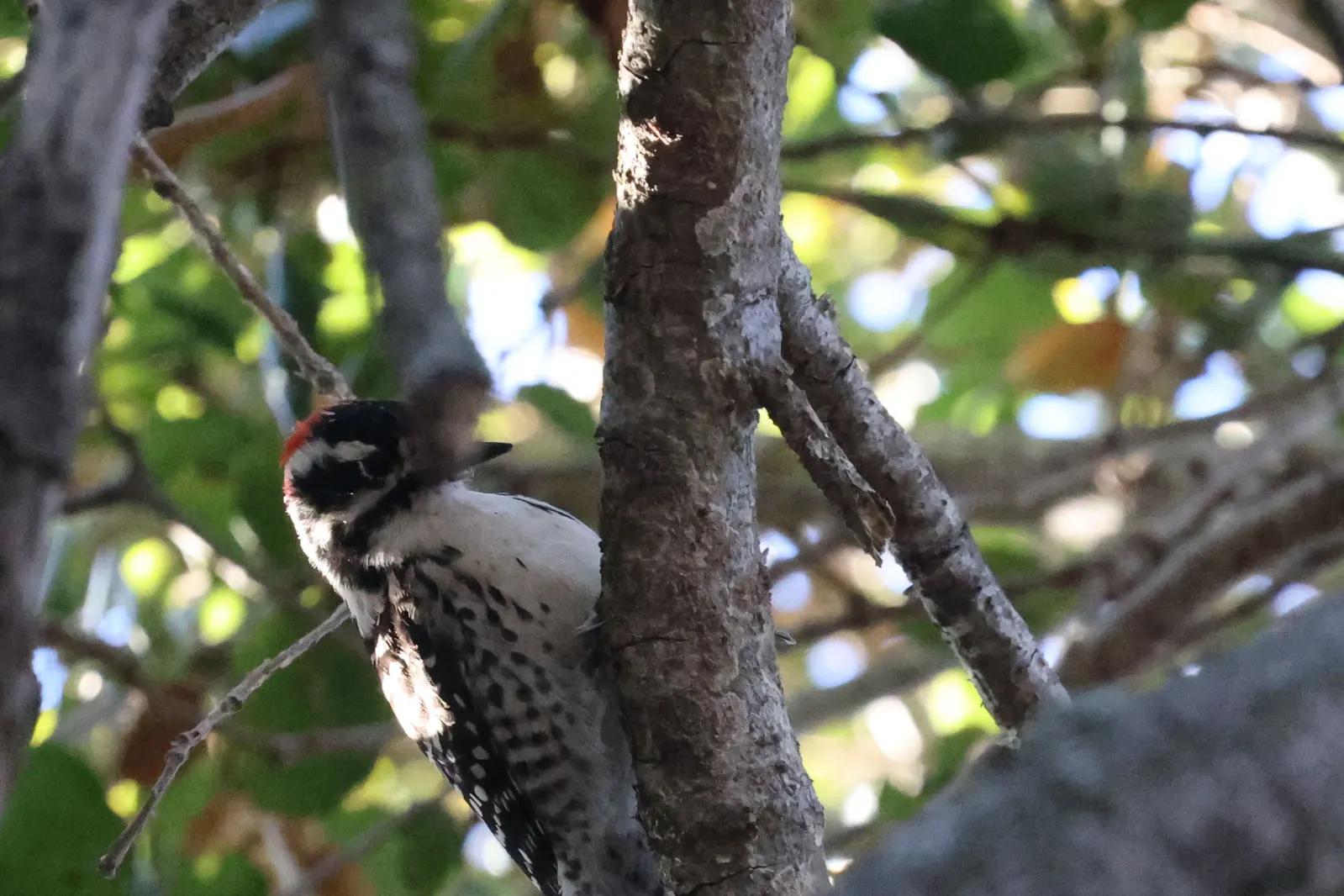
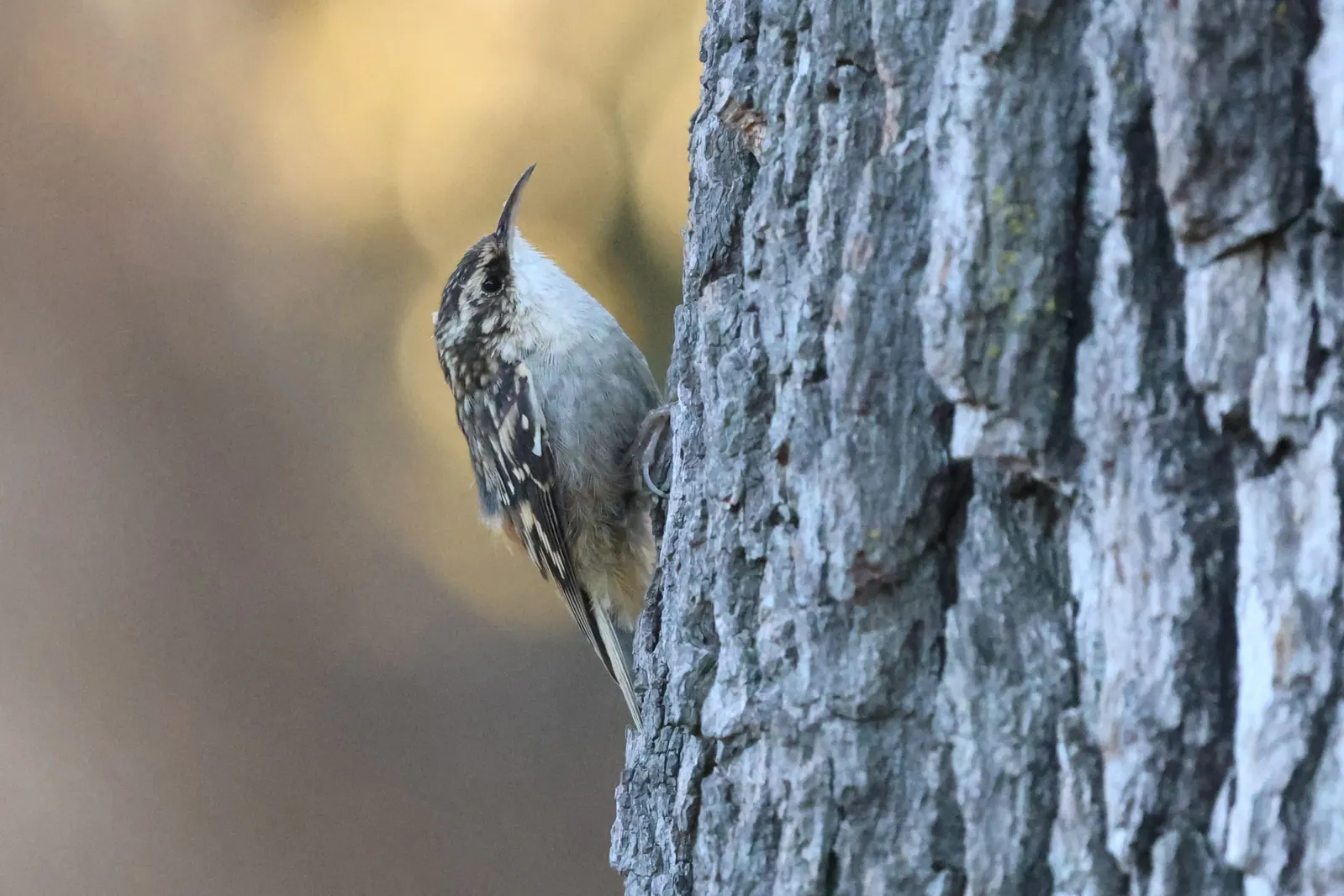
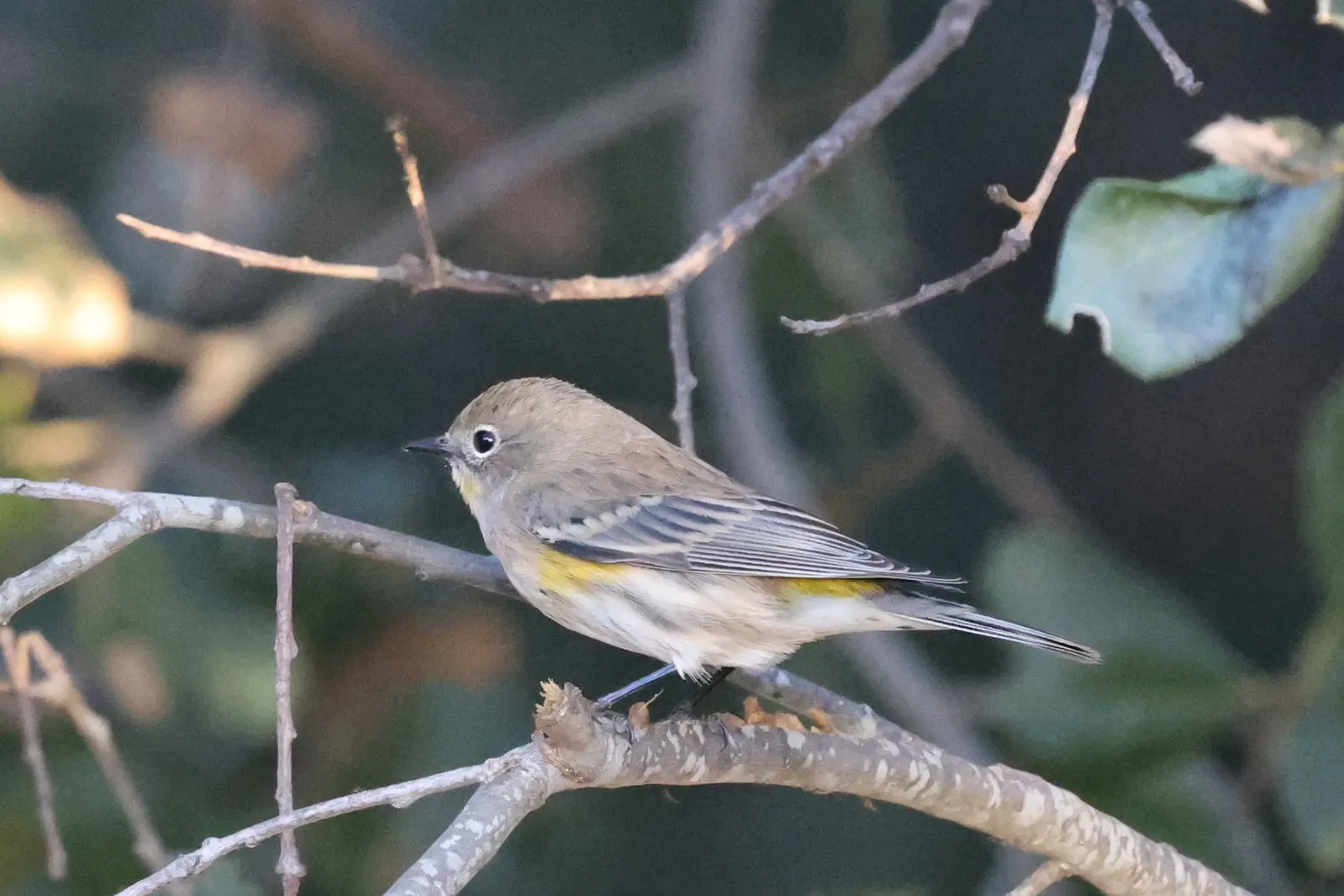
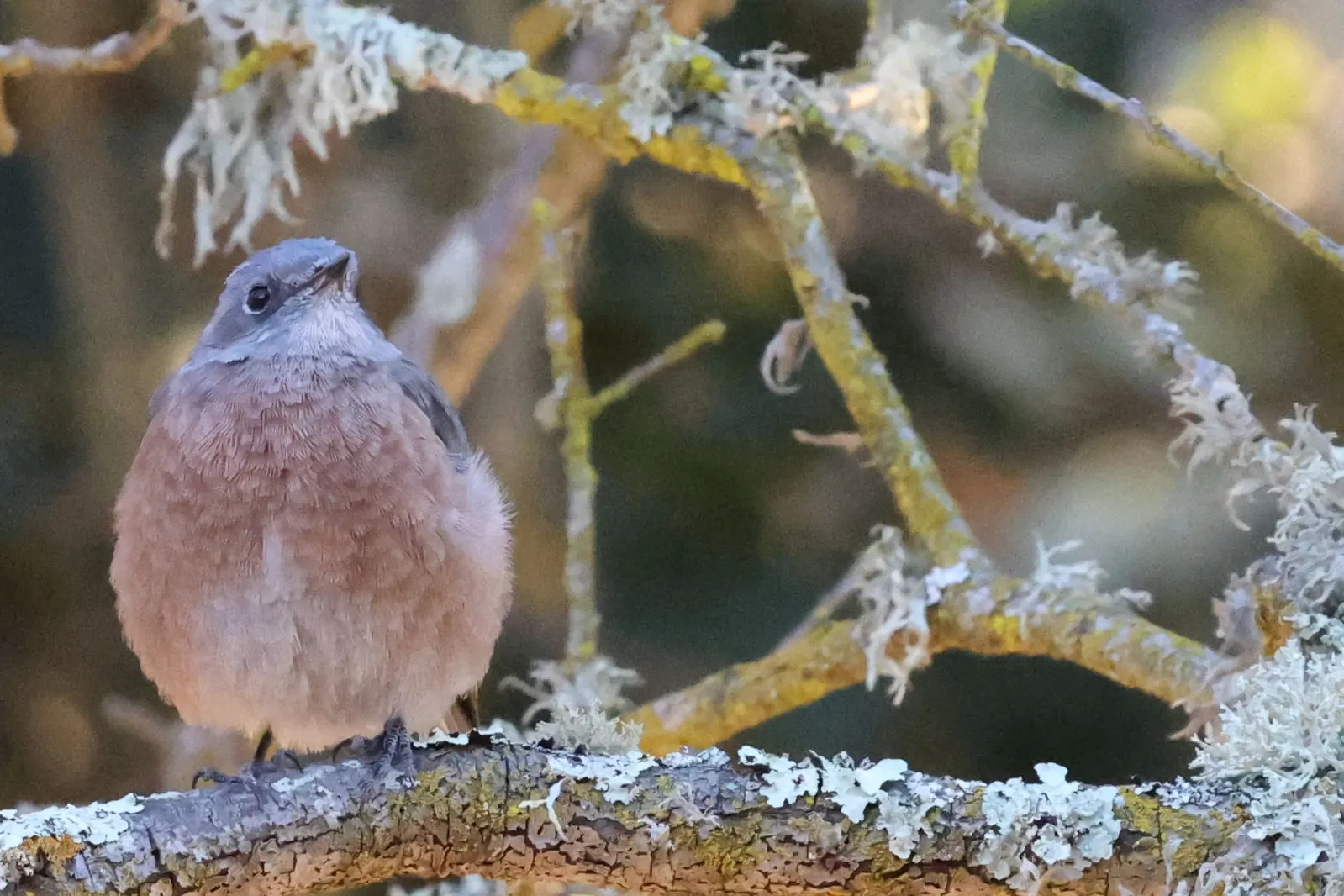
Hummingbird (Trochilidae; species unconfirmed). A quiet perch among bare branches; the backlit, partly obscured original does not allow a reliable species identification. Photographed on 27 November 2026 at Windy Hill.Black Phoebe (Sayornis nigricans). An alert pause on a pale branch, looking upward from a woodland perch. Photographed on 27 November 2026 at Windy Hill.Probable Hairy Woodpecker (Leuconotopicus villosus). A long-billed, black-and-white woodpecker gripping a tree trunk. The identification remains tentative. Photographed on 27 November 2026 at Windy Hill.Acorn Woodpecker (Melanerpes formicivorus). A red crown and pale face stand out against the blue sky and a lichen-covered oak branch. Photographed on 27 November 2026 at Windy Hill.Golden-crowned Sparrow (Zonotrichia atricapilla). A small golden forehead patch catches the light as the bird pauses on a broken branch. Photographed on 27 November 2026 at Windy Hill.California Scrub-Jay (Aphelocoma californica). Holding an acorn above the woodland leaf litter, with deep blue plumage and a pale throat. Photographed on 27 November 2026 at Windy Hill.Dark-eyed Junco (Junco hyemalis). Searches the ground and woodland leaf litter for seeds. Photographed on 21 November 2026 at Lake Lagunitas.Probable Black Phoebe (Sayornis nigricans). Hunts flying insects from exposed perches near water. The rear view leaves the identification tentative. Photographed on 21 November 2026 at Lake Lagunitas.White-breasted Nuthatch (Sitta carolinensis). Explores trunks and branches for food, often moving headfirst down the bark. Photographed on 21 November 2026 at Lake Lagunitas.Black Phoebe (Sayornis nigricans). Uses low branches as lookout points before flying out to catch insects. Photographed on 21 November 2026 at Lake Lagunitas.Black Phoebe (Sayornis nigricans). Watches for insect prey from an open perch, often close to streams or lakes. Photographed on 21 November 2026 at Lake Lagunitas.Western Bluebird (Sialia mexicana). Drops from low perches to catch insects on the ground and also eats berries. Photographed on 21 November 2026 at Lake Lagunitas.White-crowned Sparrow (Zonotrichia leucophrys). Forages for seeds and insects on the ground and around brushy edges. Photographed on 21 November 2026 at Lake Lagunitas.Probable Red-tailed Hawk (Buteo jamaicensis). A broad-winged raptor soaring overhead; the distant view leaves the species identification tentative. Photographed on 21 November 2026 at Lake Lagunitas.Oak Titmouse (Baeolophus inornatus). Searches oak woodland for insects and also feeds on seeds and acorns. Photographed on 21 November 2026 at Lake Lagunitas.Red-tailed Hawk (Buteo jamaicensis). Watches open grassland from high perches and hunts small mammals. Photographed on 14 November 2026 at Stanford Dish, California, during Stanford Big Birding Day.Probable Lesser Goldfinch (Spinus psaltria). Feeds on small seeds in weedy fields, shrubs and open woodland. Identification is tentative because the shaded rear view limits the visible field marks. Photographed on 14 November 2026 at Stanford Dish, California, during Stanford Big Birding Day.California Towhee (Melozone crissalis). Searches the ground and leaf litter around scrub and woodland edges for seeds and insects. Photographed on 14 November 2026 at Stanford Dish, California, during Stanford Big Birding Day.Acorn Woodpecker (Melanerpes formicivorus). Lives in social groups in oak woodland and stores acorns in holes drilled into bark. Photographed on 14 November 2026 at Stanford Dish, California, during Stanford Big Birding Day.Oak Titmouse (Baeolophus inornatus). Searches oak foliage and twigs for insects and also eats seeds and acorns. Photographed on 14 November 2026 at Stanford Dish, California, during Stanford Big Birding Day.Black Phoebe (Sayornis nigricans). Watches from low perches and flies out to catch insects, often returning to the same perch. Photographed on 14 November 2026 at Stanford Dish, California, during Stanford Big Birding Day.Steller's Jay (Cyanocitta stelleri). Forages for insects, seeds, fruit and nuts, and caches acorns for later use. Photographed on 14 November 2026 at Stanford Dish, California, during Stanford Big Birding Day.White-crowned Sparrow (Zonotrichia leucophrys). Forages for seeds around scrub, weedy fields and woodland edges. This immature bird has brown-and-buff crown stripes. Photographed on 14 November 2026 at Stanford Dish, California, during Stanford Big Birding Day.American Crow (Corvus brachyrhynchos). An adaptable, social omnivore that feeds on seeds, fruit, insects and other small animals. Photographed on 14 November 2026 at Stanford Dish, California, during Stanford Big Birding Day.Mourning Dove (Zenaida macroura). Feeds mainly on seeds gathered from the ground and rests in trees around open country and woodland edges. Photographed on 14 November 2026 at Stanford Dish, California, during Stanford Big Birding Day.Red-tailed Hawk (Buteo jamaicensis). Uses trees overlooking open ground as hunting perches, scanning for small mammals and other prey. Photographed on 14 November 2026 at Stanford Dish, California, during Stanford Big Birding Day.Chestnut-backed Chickadee (Poecile rufescens). Gleans insects and spiders from foliage, bark and twigs, often joining mixed feeding flocks. Photographed on 14 November 2026 at Stanford Dish, California, during Stanford Big Birding Day.Probable American Crows (Corvus brachyrhynchos). These social birds often travel and forage in groups. The flight angles leave the species identification tentative. Photographed on 14 November 2026 at Stanford Dish, California, during Stanford Big Birding Day.White-tailed Kite (Elanus leucurus). Hovers over grassland while searching for small mammals and rests on exposed treetop perches. Photographed on 14 November 2026 at Stanford Dish, California, during Stanford Big Birding Day.Say's Phoebe (Sayornis saya). Hunts insects from low perches in dry, open country, catching prey in the air or on the ground. Photographed on 14 November 2026 at Stanford Dish, California, during Stanford Big Birding Day.Probable Say's Phoebe (Sayornis saya). Sallies from exposed perches to catch insects in open, dry habitats. Identification is tentative because the rear view obscures the belly colour. Photographed on 14 November 2026 at Stanford Dish, California, during Stanford Big Birding Day.Wild Turkey (Meleagris gallopavo). Forages mainly on the ground for acorns, seeds and other plant food, with insects also included in its diet. Photographed on 14 November 2026 at Stanford Dish, California, during Stanford Big Birding Day.Sparrow (Zonotrichia sp.). These sparrows forage around scrub and open ground for seeds and insects. The bird is retained at genus level because its turned-away head hides the key identification marks. Photographed on 14 November 2026 at Stanford Dish, California, during Stanford Big Birding Day.Red-breasted Sapsucker (Sphyrapicus ruber). Drills shallow sap wells in tree bark and feeds on the flowing sap, as well as insects gathered from bark and the wells. Photographed on 1 November 2026 at Stanford Dish, California.Probable Hutton's Vireo (Vireo huttoni). Gleans insects and spiders from foliage and twigs in wooded habitats. Identification is tentative because the upward view obscures some field marks. Photographed on 1 November 2026 at Stanford Dish, California.Oak Titmouse (Baeolophus inornatus). Forages through oak woodland for insects, seeds and acorns, often moving among twigs and branches. Photographed on 1 November 2026 at Stanford Dish, California.Northern Shoveler (Spatula clypeata). Filters tiny aquatic animals and seeds from shallow water with its broad, spoon-shaped bill. Photographed on 24 October 2026 at Shoreline Park, California.Marbled Godwit and Northern Shoveler (Limosa fedoa; Spatula clypeata). Godwits probe mud for small invertebrates, while shovelers filter food from the water. A wading godwit and a resting shoveler share these autumn reflections. Photographed on 24 October 2026 at Shoreline Park, California.Northern Shoveler (Spatula clypeata). Often feeds in groups, sweeping its broad bill through the water to strain out small invertebrates and seeds. Photographed on 24 October 2026 at Shoreline Park, California.Double-crested Cormorant and American Coot (Nannopterum auritum; Fulica americana). Cormorants dive for fish; coots eat mainly aquatic vegetation. Here a cormorant swims beside the reeds with a coot behind. Photographed on 24 October 2026 at Shoreline Park, California.Snowy Egret (Egretta thula). Rests in sheltered vegetation and hunts fish and small aquatic animals in shallow wetlands. Photographed on 24 October 2026 at Shoreline Park, California.Black-crowned Night Heron (Nycticorax nycticorax). Often rests in dense vegetation by day and feeds around dusk and at night on fish and other aquatic prey. This juvenile retains brown, spotted plumage. Photographed on 24 October 2026 at Shoreline Park, California.Snowy Egret (Egretta thula). Uses shallow marshes, tidal channels and pond edges to search for small aquatic prey. Photographed on 24 October 2026 at Shoreline Park, California.Snowy Egret (Egretta thula). Catches fish and other small aquatic animals with quick strikes of its slender bill. Photographed on 24 October 2026 at Shoreline Park, California.Green-winged Teal (Anas crecca). A small dabbling duck that feeds in shallow wetlands on seeds and aquatic invertebrates. Photographed on 24 October 2026 at Shoreline Park, California.Pied-billed Grebe (Podilymbus podiceps). Dives below the surface to catch small fish, crustaceans and other aquatic animals, using a short, stout bill. Photographed on 24 October 2026 at Shoreline Park, California.Black-necked Stilt (Himantopus mexicanus). Wades through shallow wetlands, picking small aquatic animals from the water or muddy bottom. Photographed on 24 October 2026 at Shoreline Park, California.Marbled Godwit (Limosa fedoa). Uses its long bill to probe soft mud and sand for aquatic invertebrates along wetland edges. Photographed on 24 October 2026 at Shoreline Park, California.Probable Northern Harrier (Circus hudsonius). Harriers quarter open marshes and grasslands in search of small mammals and birds. Identification is tentative because of the flight angle. Photographed on 24 October 2026 at Shoreline Park, California.Ring-billed Gull (Larus delawarensis). An opportunistic feeder that searches shorelines, fields and inland waters for a wide variety of food. Photographed on 24 October 2026 at Shoreline Park, California.Mallard (Anas platyrhynchos). Forages in shallow water and along the shore for seeds, aquatic plants and small invertebrates. Photographed on 24 October 2026 at Shoreline Park, California.Willet (Tringa semipalmata). Walks along mudflats and shallow shores, probing and picking for aquatic invertebrates with its sturdy bill. Photographed on 24 October 2026 at Shoreline Park, California.Black-necked Stilt (Himantopus mexicanus). Finds aquatic insects, small crustaceans and other prey by pecking into shallow water. Photographed on 24 October 2026 at Shoreline Park, California.Immature gull (Larus sp.). Gulls forage opportunistically around shorelines and inland waters. This bird is retained at genus level because the photograph does not establish a reliable species identification. Photographed on 24 October 2026 at Shoreline Park, California.Eared Grebe (Podiceps nigricollis). Dives for aquatic invertebrates and often gathers on saline lakes and coastal waters outside the breeding season. Photographed on 24 October 2026 at Shoreline Park, California.Brown Pelican (Pelecanus occidentalis). Catches fish by plunging into the water and rests on rocks, sandbars and pilings between feeding trips. An egret and other waterbirds share this channel. Photographed on 24 October 2026 at Shoreline Park, California.Mourning Dove (Zenaida macroura). Feeds mainly on seeds collected from the ground in open country, parkland and woodland edges. Photographed on 24 October 2026 at Shoreline Park, California.Great Egret (Ardea alba). Stalks fish and other small animals in shallow wetlands, sometimes waiting motionless for prey to approach. Photographed on 24 October 2026 at Shoreline Park, California.Great Egret (Ardea alba). Moves between wetland feeding areas in slow, steady flight, with its neck folded and long legs trailing behind. Photographed on 24 October 2026 at Shoreline Park, California.Northern Mockingbird (Mimus polyglottos). Forages around shrubs and open ground, eating many insects in summer and more fruit during autumn and winter. Photographed on 24 October 2026 at Shoreline Park, California.Black Phoebe (Sayornis nigricans). Watches from low perches near water and flies out to catch insects in the air or from the water surface. Photographed on 24 October 2026 at Shoreline Park, California.Snowy Egret (Egretta thula). Hunts along shallow edges, watching intently before striking at fish and other small aquatic prey. Photographed on 24 October 2026 at Shoreline Park, California.Killdeer (Charadrius vociferus). Runs and pauses on open ground and mudflats, feeding mainly on insects and other small invertebrates. Photographed on 17 October 2026 near Palo Alto Duck Pond, California.American Crow (Corvus brachyrhynchos). An adaptable, social omnivore that forages on the ground for invertebrates, seeds, fruit and other foods. Photographed on 17 October 2026 near Palo Alto Duck Pond, California.Snowy Egret (Egretta thula). Hunts fish and other small aquatic prey in shallow wetlands, often stirring the bottom with its feet. Photographed on 17 October 2026 near Palo Alto Duck Pond, California.Probable yellowlegs (Tringa sp.). Long-legged shorebirds that forage in shallow wetlands for aquatic invertebrates. The tucked head and viewing angle prevent a reliable species identification. Photographed on 17 October 2026 near Palo Alto Duck Pond, California.Northern Shoveler (Spatula clypeata). Filters small aquatic invertebrates and seeds from shallow water with its broad, spoon-shaped bill. Photographed on 17 October 2026 near Palo Alto Duck Pond, California.Gadwall and Northern Pintail (Mareca strepera; Anas acuta). Both are dabbling ducks: Gadwalls feed largely on aquatic vegetation, while pintails eat seeds and aquatic invertebrates. Other ducks share this resting spot. Photographed on 17 October 2026 near Palo Alto Duck Pond, California.Lesser Goldfinch (Spinus psaltria). Often gathers in small flocks and feeds mainly on seeds, particularly those of plants in the sunflower family. Photographed on 17 October 2026 near Palo Alto Duck Pond, California.White-crowned Sparrow (Zonotrichia leucophrys). Forages on or near the ground for seeds and insects, often gathering in flocks outside the breeding season. Photographed on 17 October 2026 near Palo Alto Duck Pond, California.Snowy Egret (Egretta thula). Uses shallow marsh edges and tidal channels to catch fish, crustaceans and other small aquatic animals. Photographed on 17 October 2026 near Palo Alto Duck Pond, California.American Avocet (Recurvirostra americana). Feeds in shallow wetlands, sweeping its upturned bill from side to side to catch aquatic invertebrates. Photographed in 2026 at Palo Alto Baylands Nature Preserve (Lucy Evans area), California.Marbled Godwit (Limosa fedoa). Probes sand and mud with its long bill for aquatic invertebrates; outside the breeding season it gathers along coastal shores and estuaries. Photographed in 2026 at Palo Alto Baylands Nature Preserve (Lucy Evans area), California.Dowitchers (Limnodromus spp.). Feed in shallow water by repeatedly probing mud for invertebrates. Short-billed and Long-billed Dowitchers cannot be reliably separated in this photograph. Photographed in 2026 at Palo Alto Baylands Nature Preserve (Lucy Evans area), California.American Kestrel (Falco sparverius). Favours open ground and hunts insects and small vertebrates, often watching for prey from an exposed perch. Photographed in 2026 at Palo Alto Baylands Nature Preserve (Lucy Evans area), California.American Coot (Fulica americana). Lives on ponds and wetlands, feeding mainly on aquatic plants by dabbling or diving; it often gathers in flocks outside the breeding season. Photographed in 2026 at Palo Alto Baylands Nature Preserve (Lucy Evans area), California.Northern Shoveler (Spatula clypeata). Uses its broad, spoon-shaped bill to filter small crustaceans, aquatic invertebrates and seeds from shallow water. Photographed in 2026 at Palo Alto Baylands Nature Preserve (Lucy Evans area), California.Marbled Godwit (Limosa fedoa). Forages along tidal flats and shallow estuaries, probing soft sediment for worms, small molluscs and other invertebrates. Photographed in 2026 at Palo Alto Baylands Nature Preserve (Lucy Evans area), California.Snowy Egret and Northern Shovelers (Egretta thula; Spatula clypeata). Snowy Egrets hunt small aquatic prey in shallow water; Northern Shovelers filter food with their broad bills and often rest together beside wetlands. Photographed in 2026 at Palo Alto Baylands Nature Preserve (Lucy Evans area), California.Snowy Egret (Egretta thula). Wades in shallow wetlands to catch fish and other small aquatic animals, often stirring prey with its feet. Photographed in 2026 at Palo Alto Baylands Nature Preserve (Lucy Evans area), California.Dark-eyed Junco, Oregon form (Junco hyemalis). Forages mainly on the ground for seeds in woodland, parks and gardens, often joining small flocks in winter. Photographed in 2026 at Stanford University arboretum and campus woodland, California.Yellow-rumped Warbler, Audubon’s form (Setophaga coronata). Searches woodland foliage for insects and also eats berries, which help sustain it through the winter. Photographed in 2026 at Stanford University arboretum and campus woodland, California.Dark-eyed Junco, Oregon form (Junco hyemalis). Lives around woodland edges and gardens; it eats many seeds, with insects becoming more important during the breeding season. Photographed in 2026 at Stanford University arboretum and campus woodland, California.Acorn Woodpecker (Melanerpes formicivorus). Lives in oak woodland, often in cooperative family groups, and stores acorns in holes drilled in granary trees. Photographed in 2026 at Stanford University arboretum and campus woodland, California.Red-tailed Hawk (Buteo jamaicensis). Hunts mainly small mammals in open habitats, using elevated perches or soaring flight to watch for prey. Photographed in 2026 at Stanford University arboretum and campus woodland, California.Western Bluebird (Sialia mexicana). Watches the ground from a low perch and drops down to catch insects; fruits become an important food outside the breeding season. Photographed in 2026 at Stanford University arboretum and campus woodland, California.Yellow-rumped Warbler, Audubon’s form (Setophaga coronata). Forages on insects in trees and shrubs and also eats fruit; outside the breeding season it often joins mixed feeding flocks. Photographed in 2026 at Stanford University arboretum and campus woodland, California.Golden-crowned Sparrow (Zonotrichia atricapilla). Winters in western scrub and woodland edges, foraging on the ground for seeds and other plant material. Photographed in 2026 at Stanford University arboretum and campus woodland, California.California Towhee (Melozone crissalis). Common in California scrub and shrubby gardens, where it scratches through leaf litter for seeds and insects. Photographed in 2026 at Stanford University arboretum and campus woodland, California.White-breasted Nuthatch (Sitta carolinensis). Climbs along trunks and branches, often headfirst, searching bark crevices for insects and caching seeds for later use. Photographed in 2026 at Stanford University arboretum and campus woodland, California.Chestnut-backed Chickadee (Poecile rufescens). Found in Pacific Coast woodlands and wooded gardens, where it searches bark and twigs for insects. Photographed in 2026 at Lake Lagunita, Stanford University, California.White-crowned Sparrow (Zonotrichia leucophrys). Look for it in low shrubs and weedy fields, where it forages on the ground for seeds. Photographed in 2026 at Lake Lagunita, Stanford University, California.California Towhee (Melozone crissalis). Common in California scrub and shrubby gardens; it scratches through fallen leaves to uncover seeds and insects. Photographed in 2026 at Lake Lagunita, Stanford University, California.Probable Red-tailed Hawk (Buteo jamaicensis). Usually found in open habitats, hunting mainly small mammals. Identification is tentative because branches obscure key features. Photographed in 2026 at Lake Lagunita, Stanford University, California.Chestnut-backed Chickadee (Poecile rufescens). In winter, it often joins mixed flocks with other small birds while searching trees and shrubs for food. Photographed in 2026 at Lake Lagunita, Stanford University, California.Yellow-rumped Warbler, Audubon’s form (Setophaga coronata). In winter, look for it in parks and open woodland with fruiting shrubs; it eats both insects and berries. Photographed in 2026 at Lake Lagunita, Stanford University, California.Dark-eyed Junco, Oregon form (Junco hyemalis). In winter, it often feeds on seeds on the ground in open woodland, parks and gardens. Photographed in 2026 at Lake Lagunita, Stanford University, California.Yellow-rumped Warbler, Audubon’s form (Setophaga coronata). It searches foliage and bark for insects and can fly out from a perch to catch them in midair. Photographed in 2026 at Lake Lagunita, Stanford University, California.Nuttall’s Woodpecker (Dryobates nuttallii). Often found in California oak woodlands, it probes bark for insects and excavates nest holes in dead trunks or branches. Photographed in 2026 at Lake Lagunita, Stanford University, California.Brown Creeper (Certhia americana). It spirals up tree trunks, probing bark for insects, then flies down to start another climb near the base of a tree. Photographed in 2026 at Lake Lagunita, Stanford University, California.Yellow-rumped Warbler, Audubon’s form (Setophaga coronata). Its ability to eat bayberry and wax myrtle fruits helps it spend the winter farther north than many other warblers. Photographed in 2026 at Lake Lagunita, Stanford University, California.Western Bluebird (Sialia mexicana). It scans the ground from low perches and drops down to catch insects; fruits and seeds become important foods in winter. Photographed in 2026 at Lake Lagunita, Stanford University, California.
02
Sustainable Value in Practice
Bergen, Norway · 2024–2026 · 2 photos
View photosHide photos
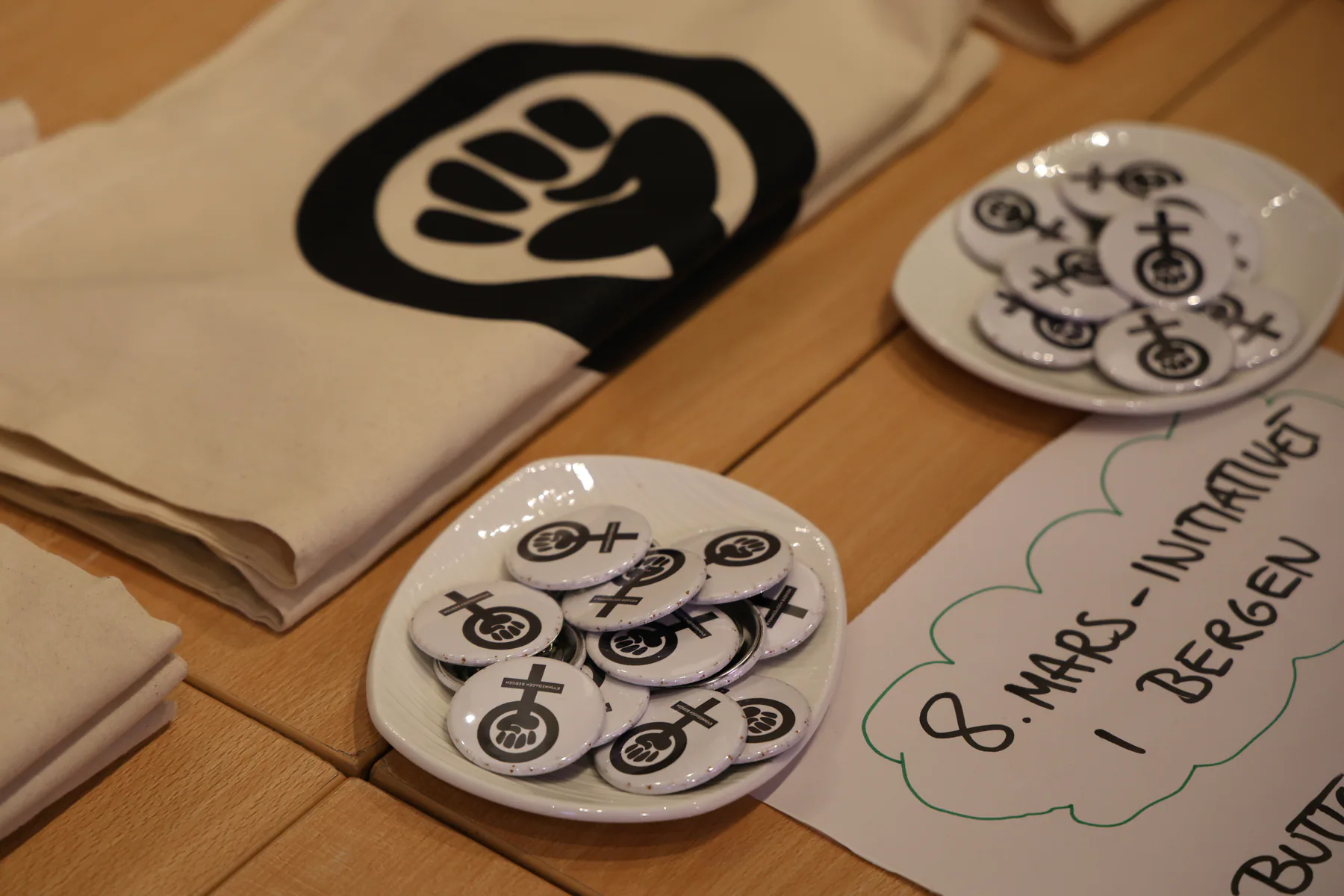
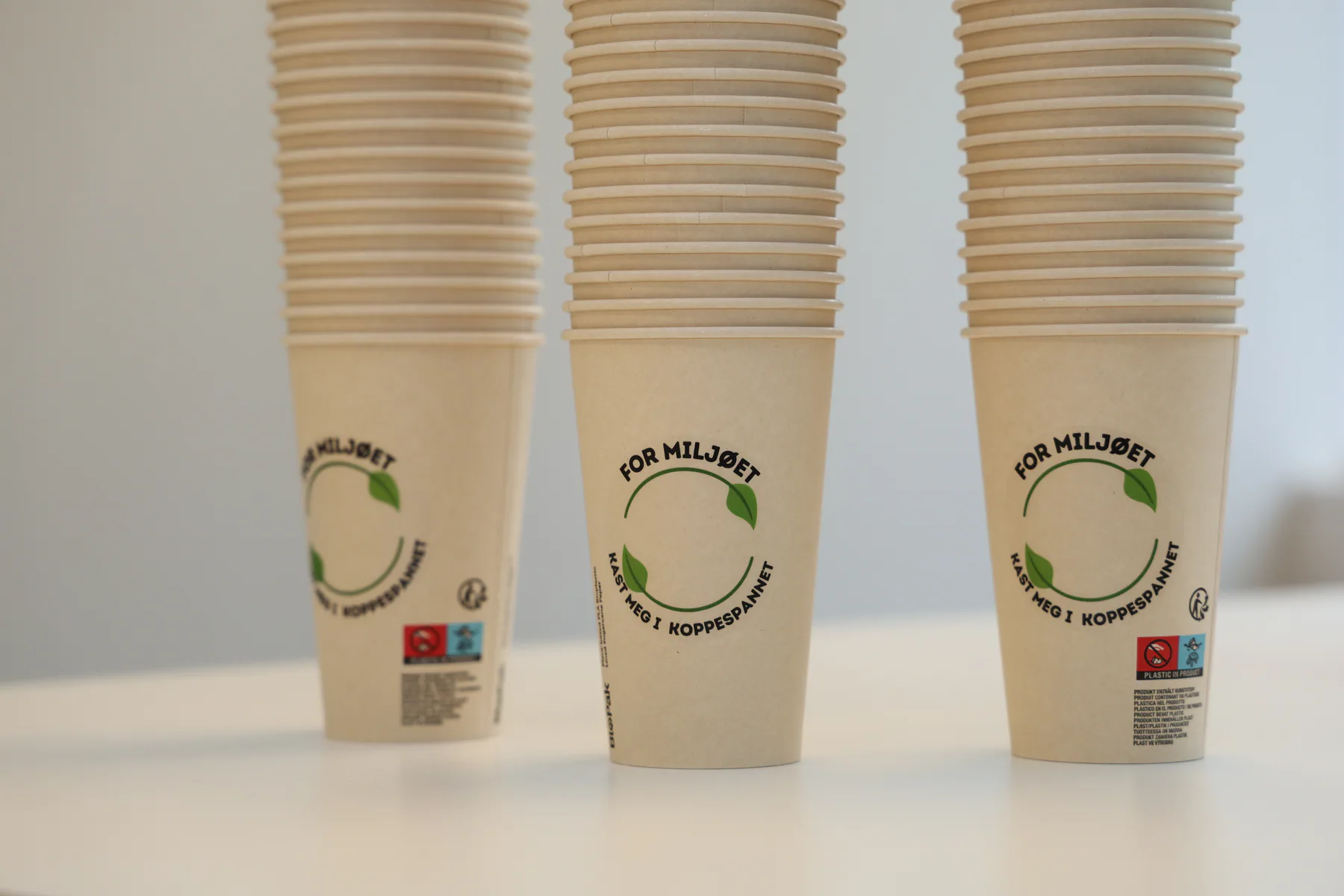
Details from community and organisational settings where inclusion, environmental responsibility, and sustainable value creation become visible in everyday practice.
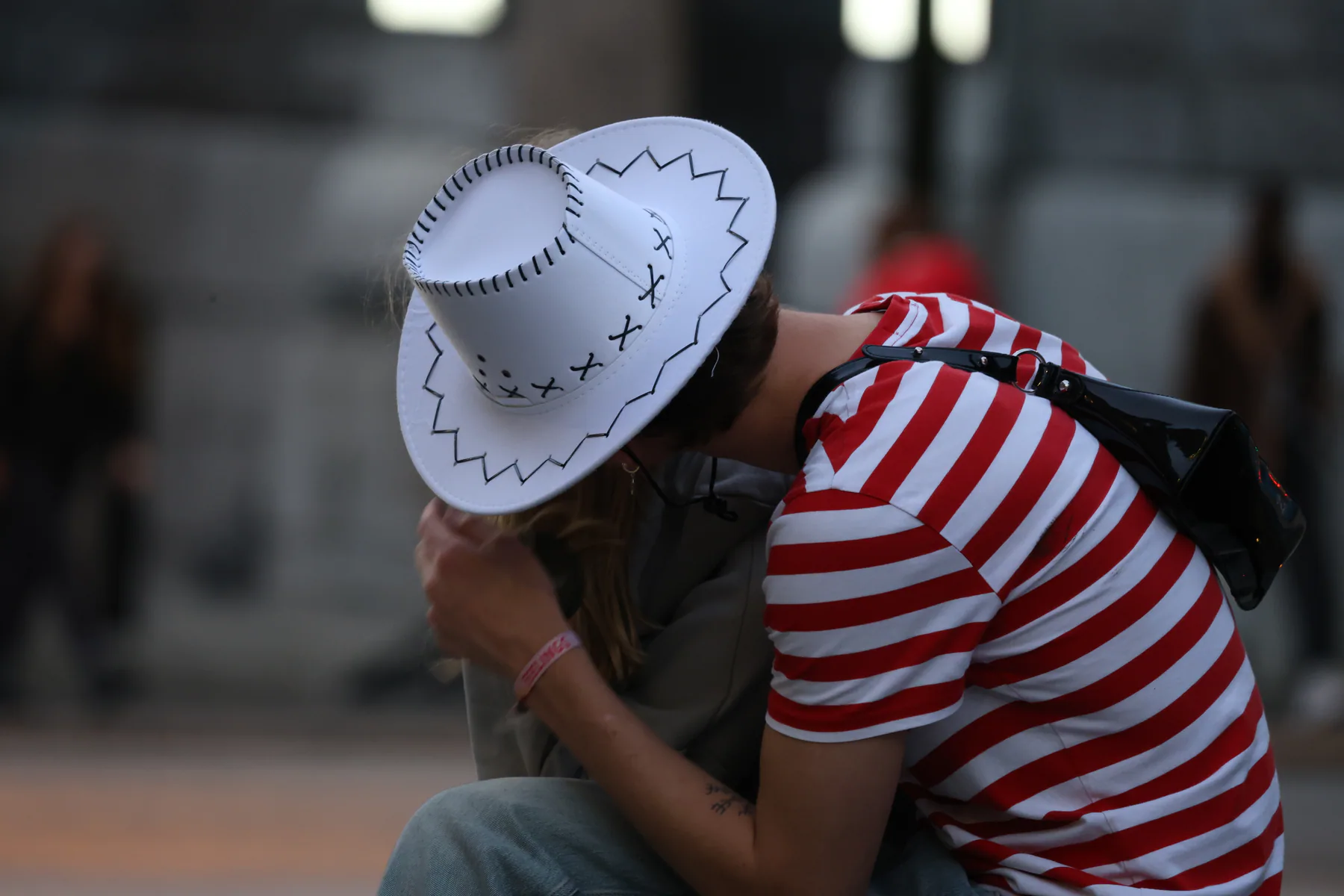
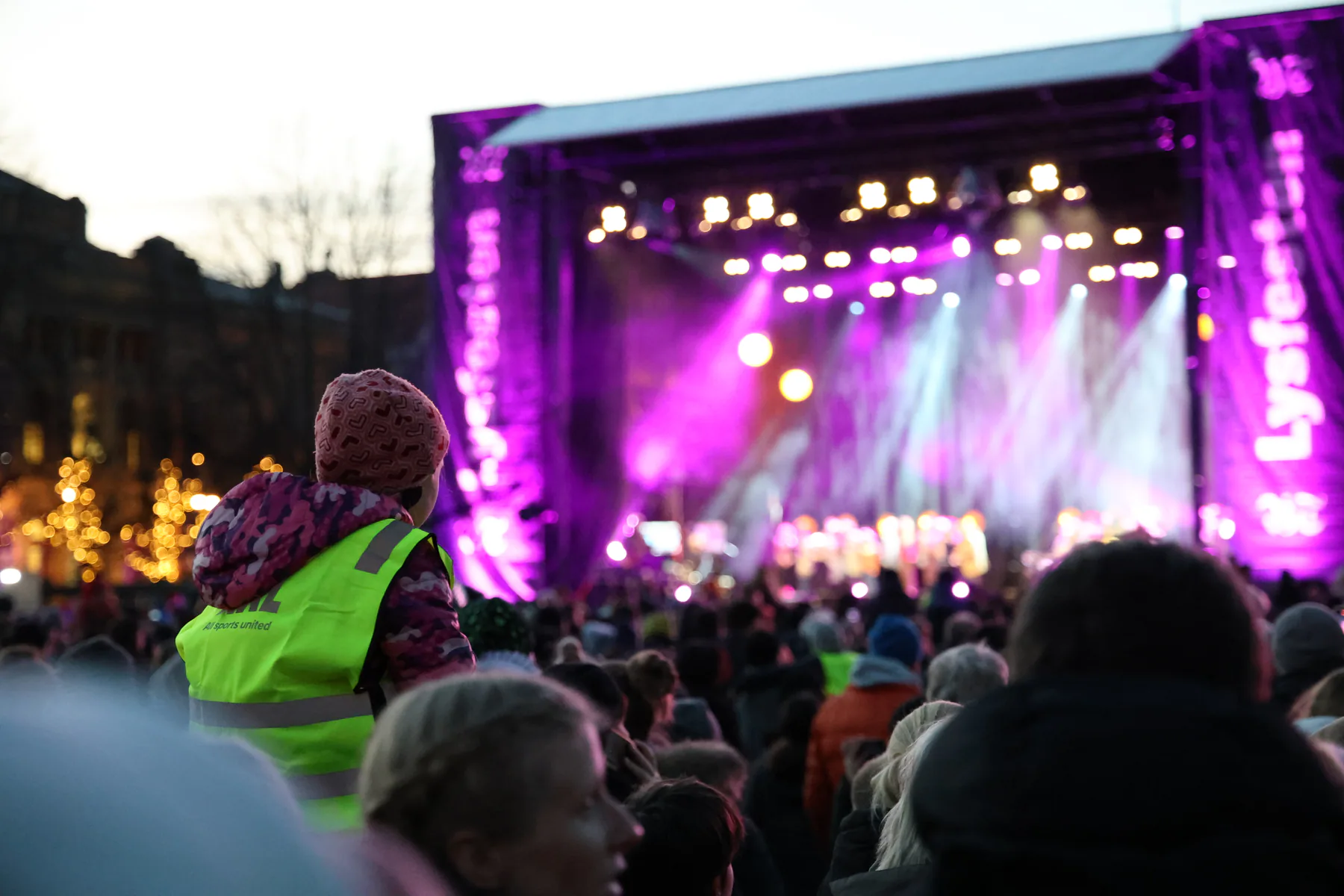
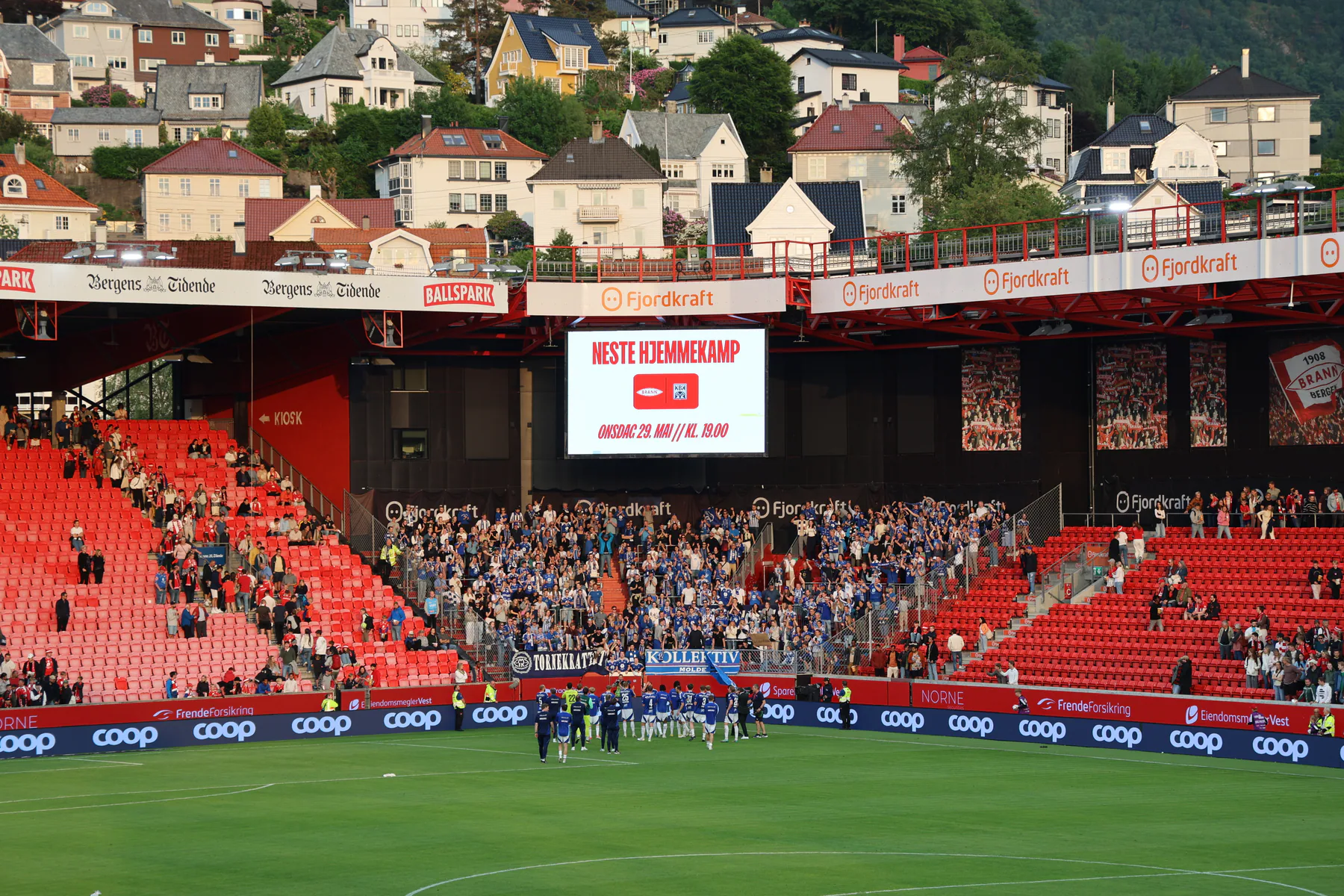
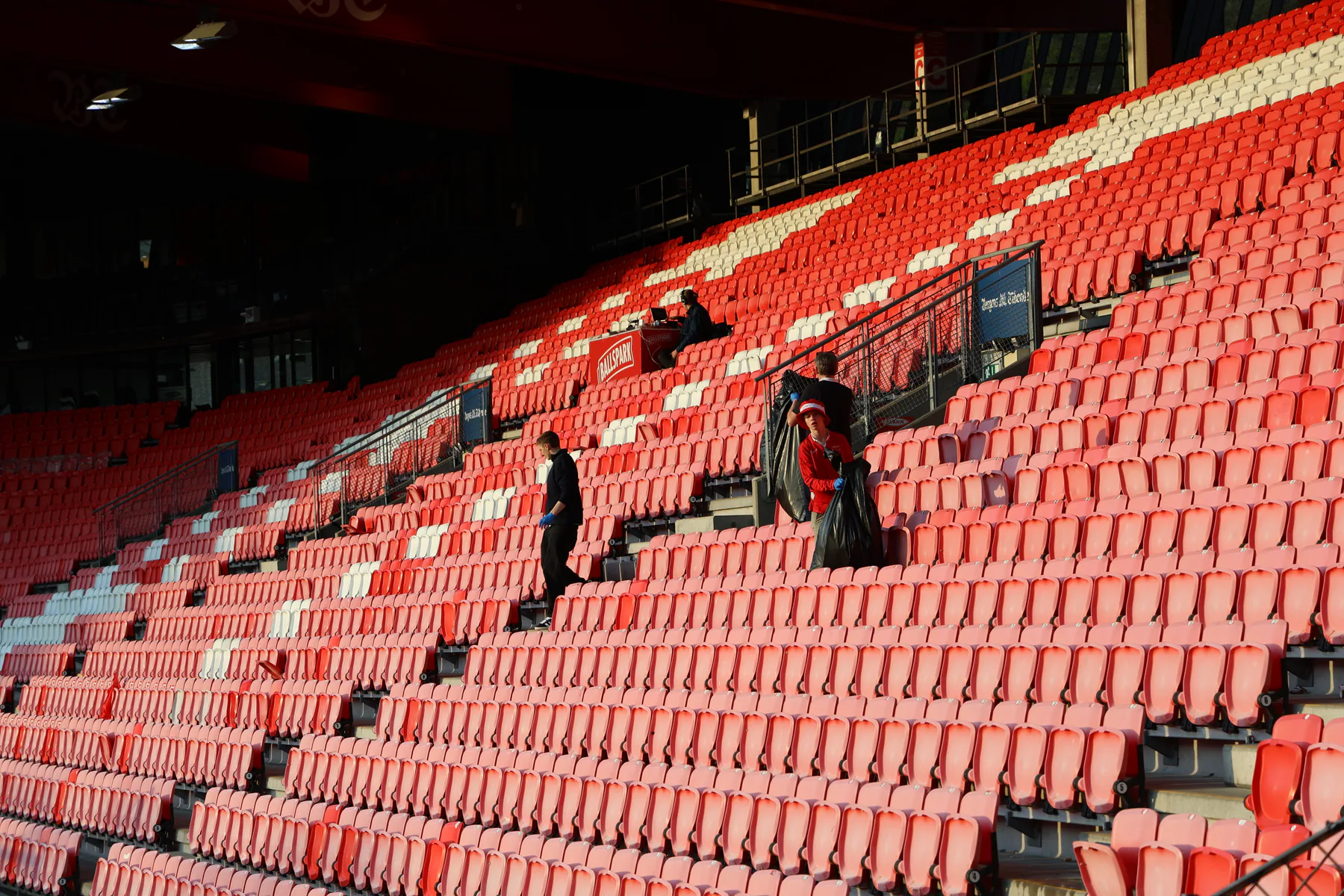
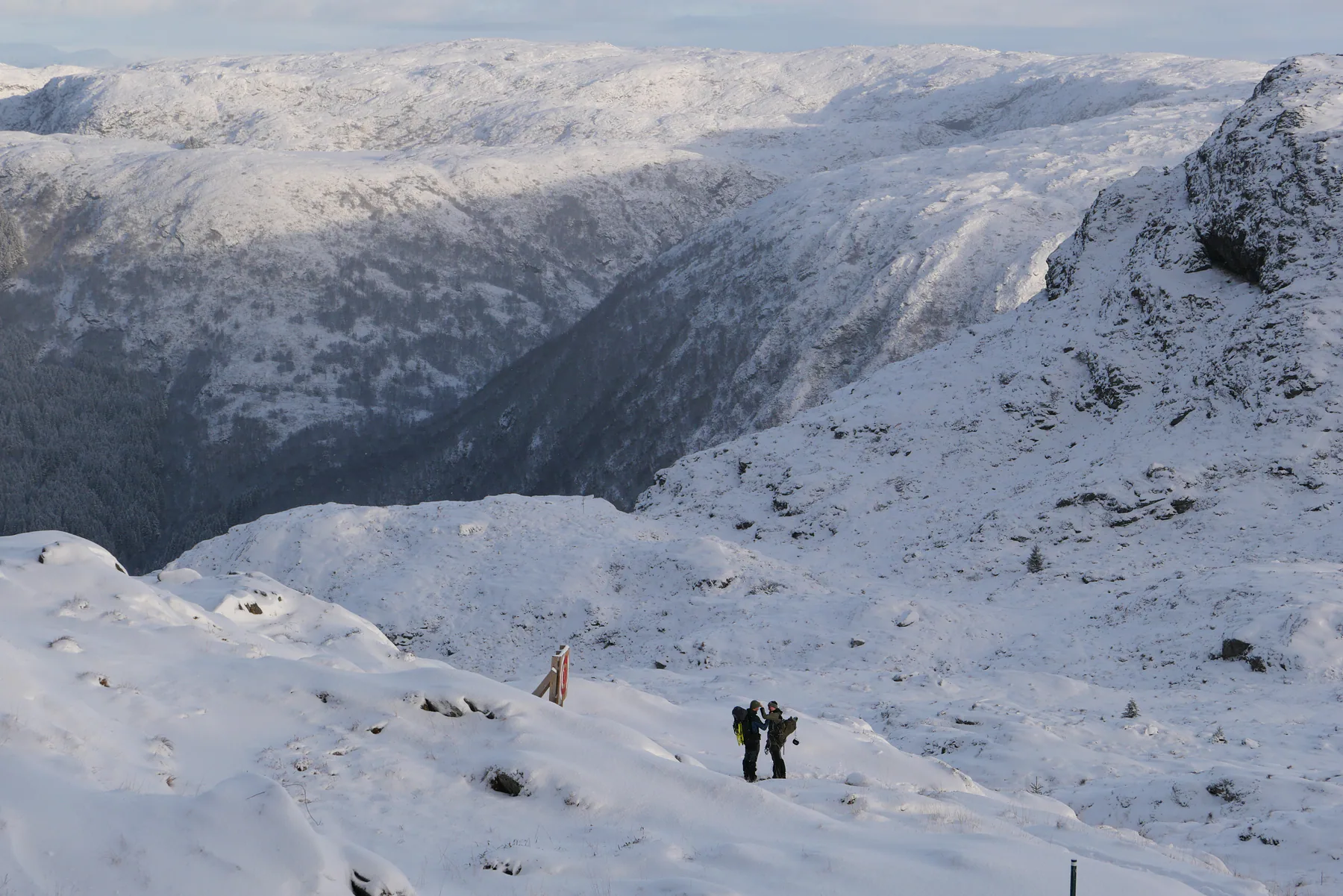
Constitution Day procession, BergenStudent traditions on Constitution Day, BergenA quiet moment within a public gatheringLysfesten, Bergen, 2024.Supporters and players at Brann Stadion, BergenNHH sustainable consumption research projectWinter landscape above Bergen
04
Nature and Travel
Norway and Mallorca · 2023–2026 · 6 photos
View photosHide photos
Landscapes and wildlife photographed through attentive observation, from Bergen’s changing seasons to the coast and birdlife of Mallorca.
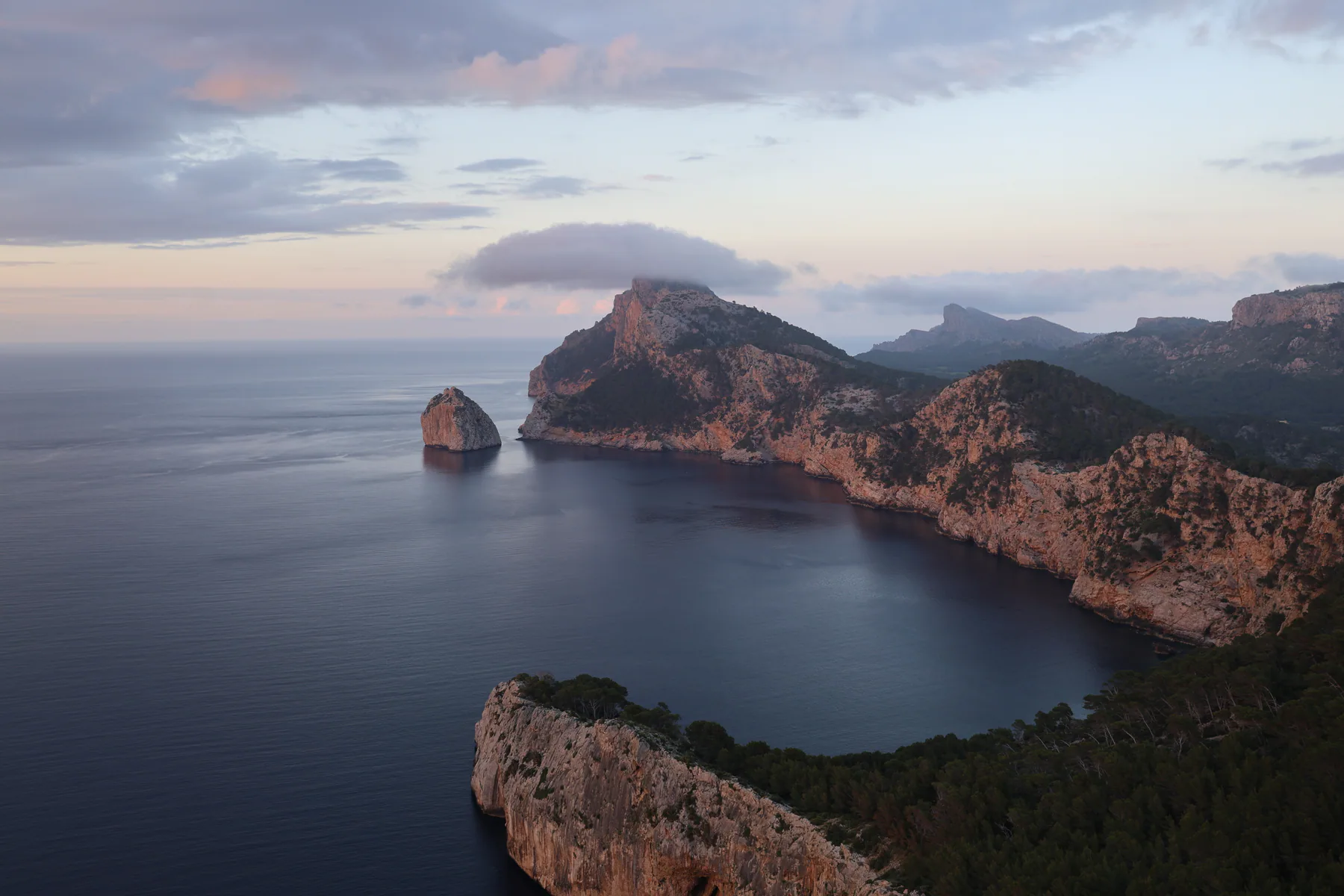
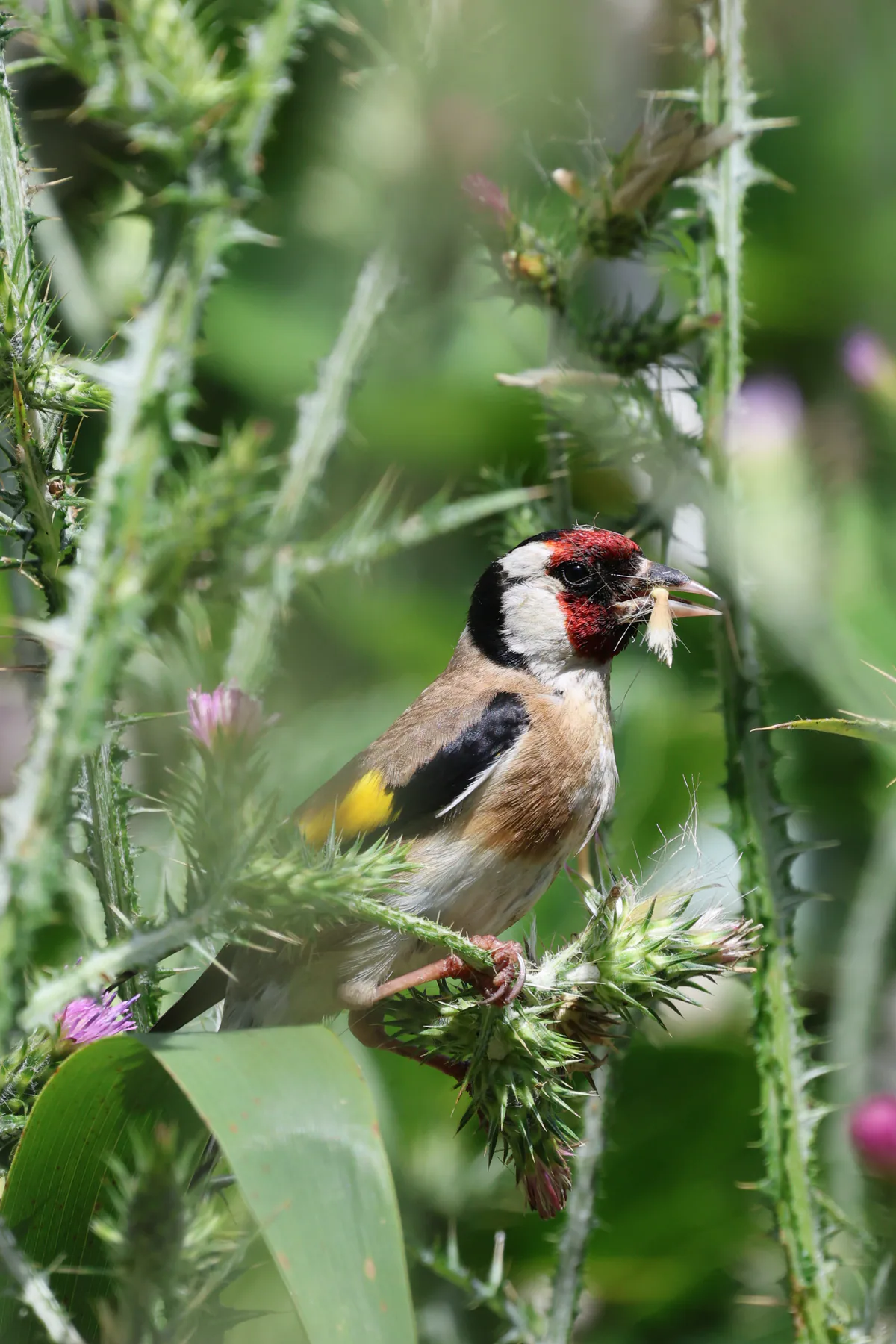
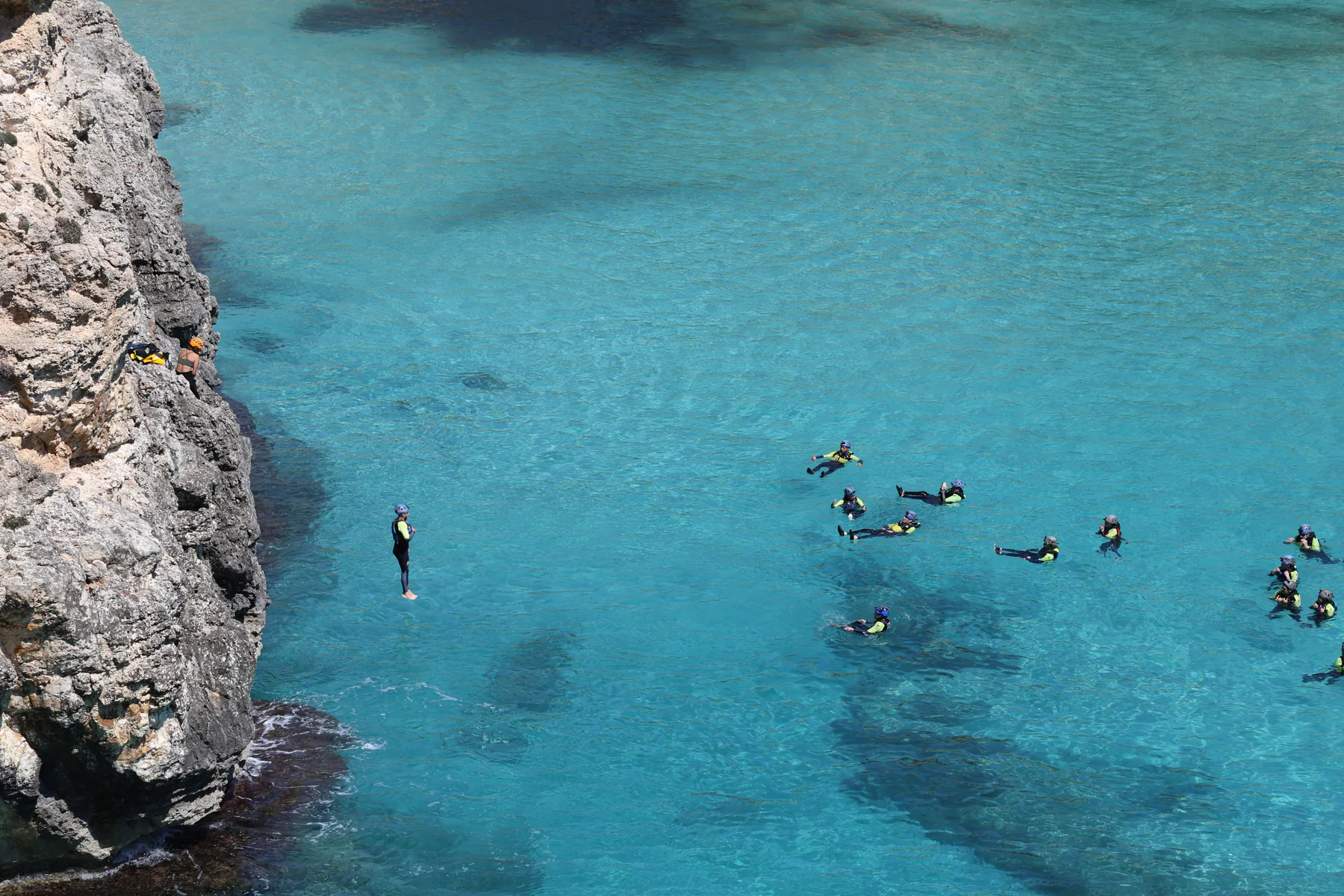
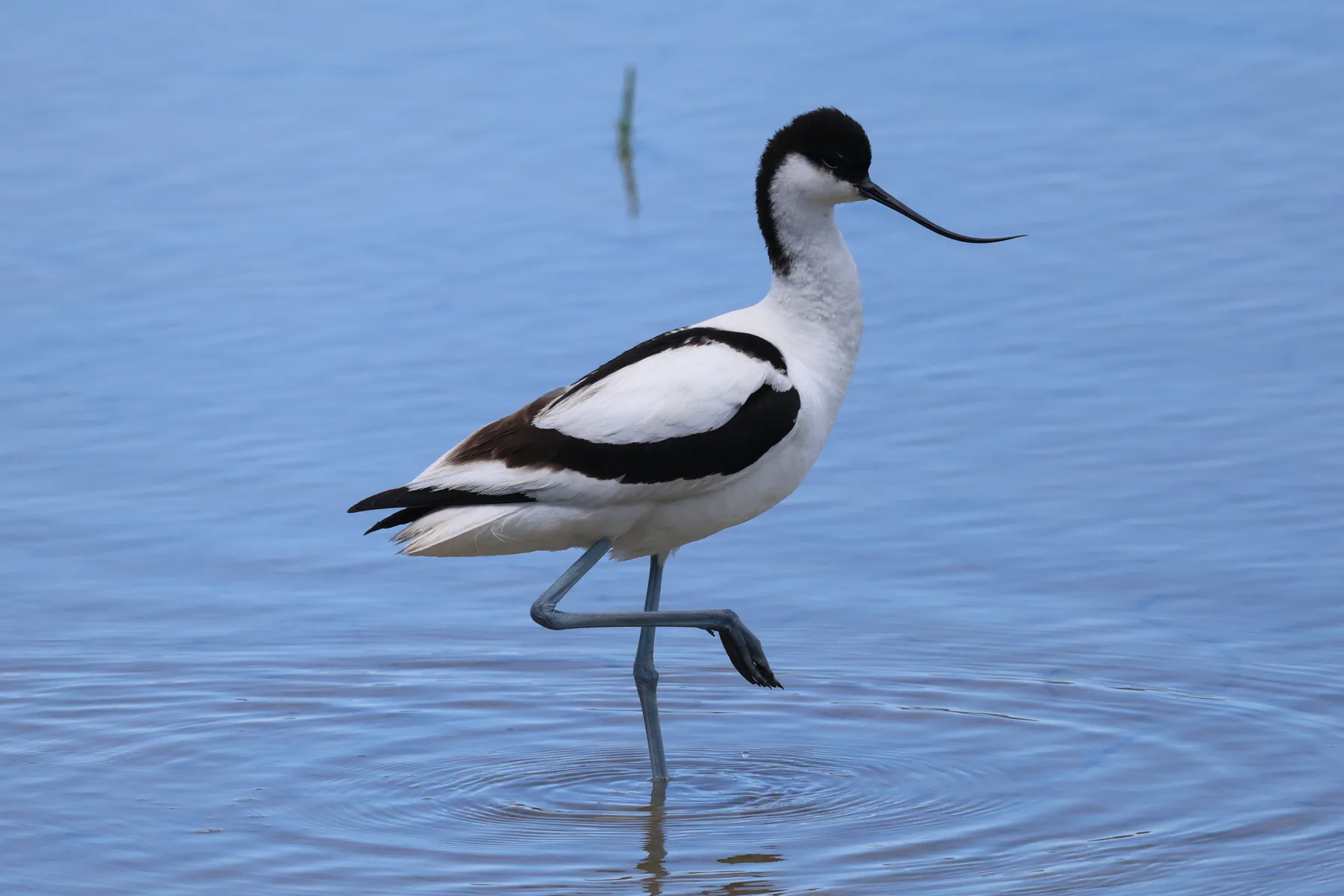
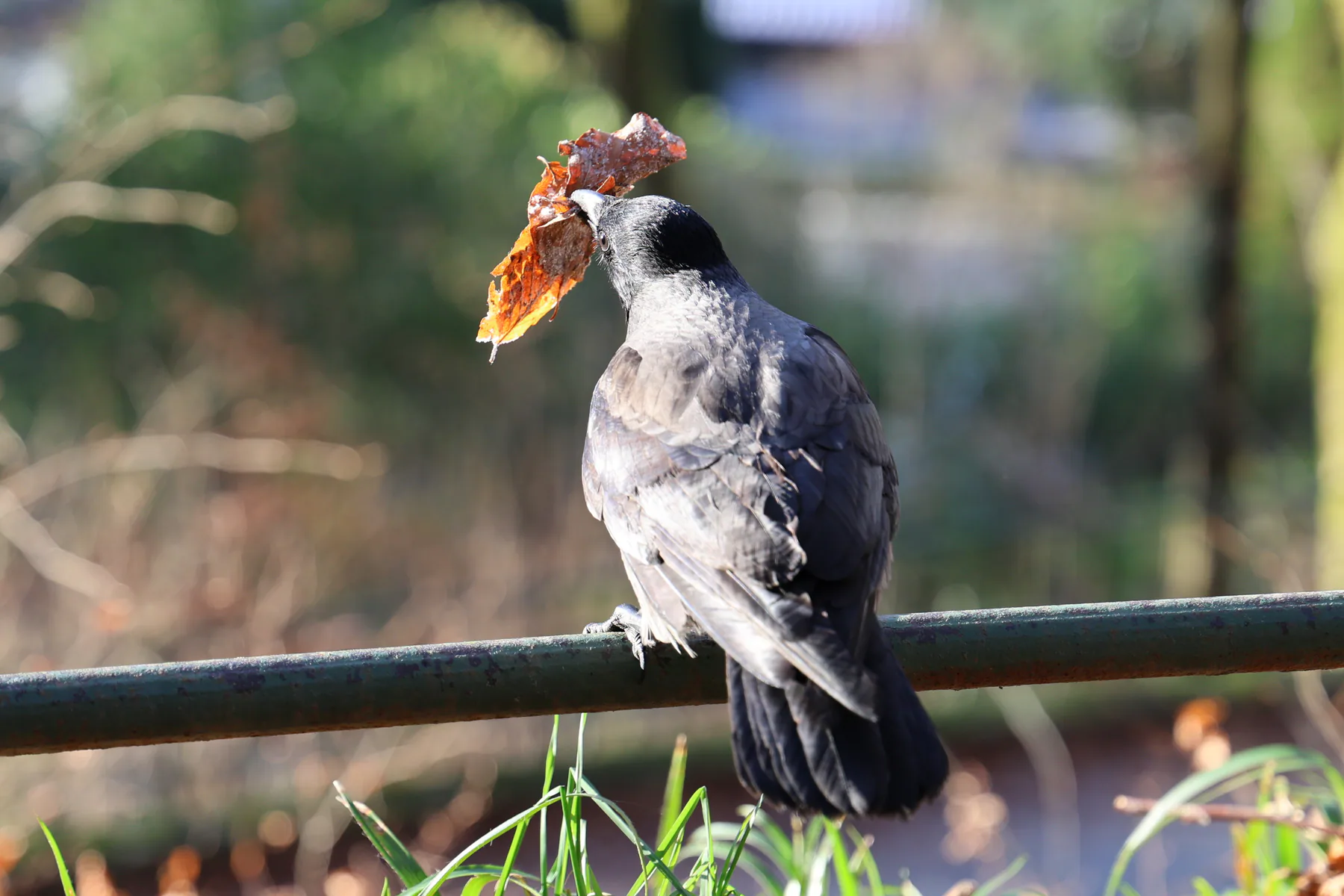
Evening light on the Mallorca coastEuropean goldfinch, MallorcaCoastal activity in MallorcaPied avocet, MallorcaHooded crow in autumn, BergenLysfesten, Bergen, 2024.
The gallery is organised as a small set of photographic series. Website images are carefully reduced for online viewing; full-resolution originals and private archive files remain offline.