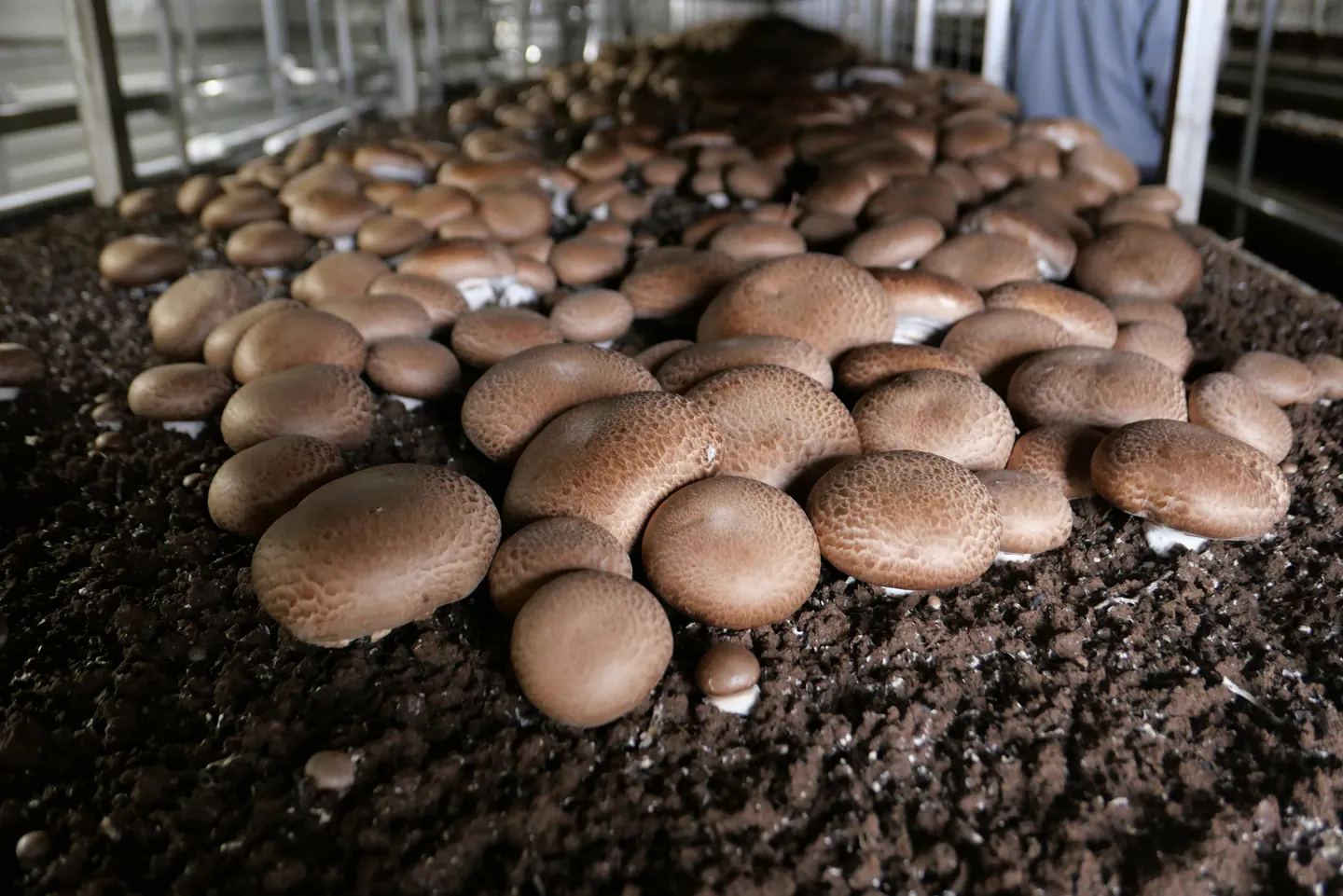
On 27 October, I visited Global Mushrooms in Gilroy with Stanford’s Arrillaga Family Dining Commons (AFDC). Following the crop through its growing rooms and packing area revealed the considerable preparation behind an ordinary mushroom.
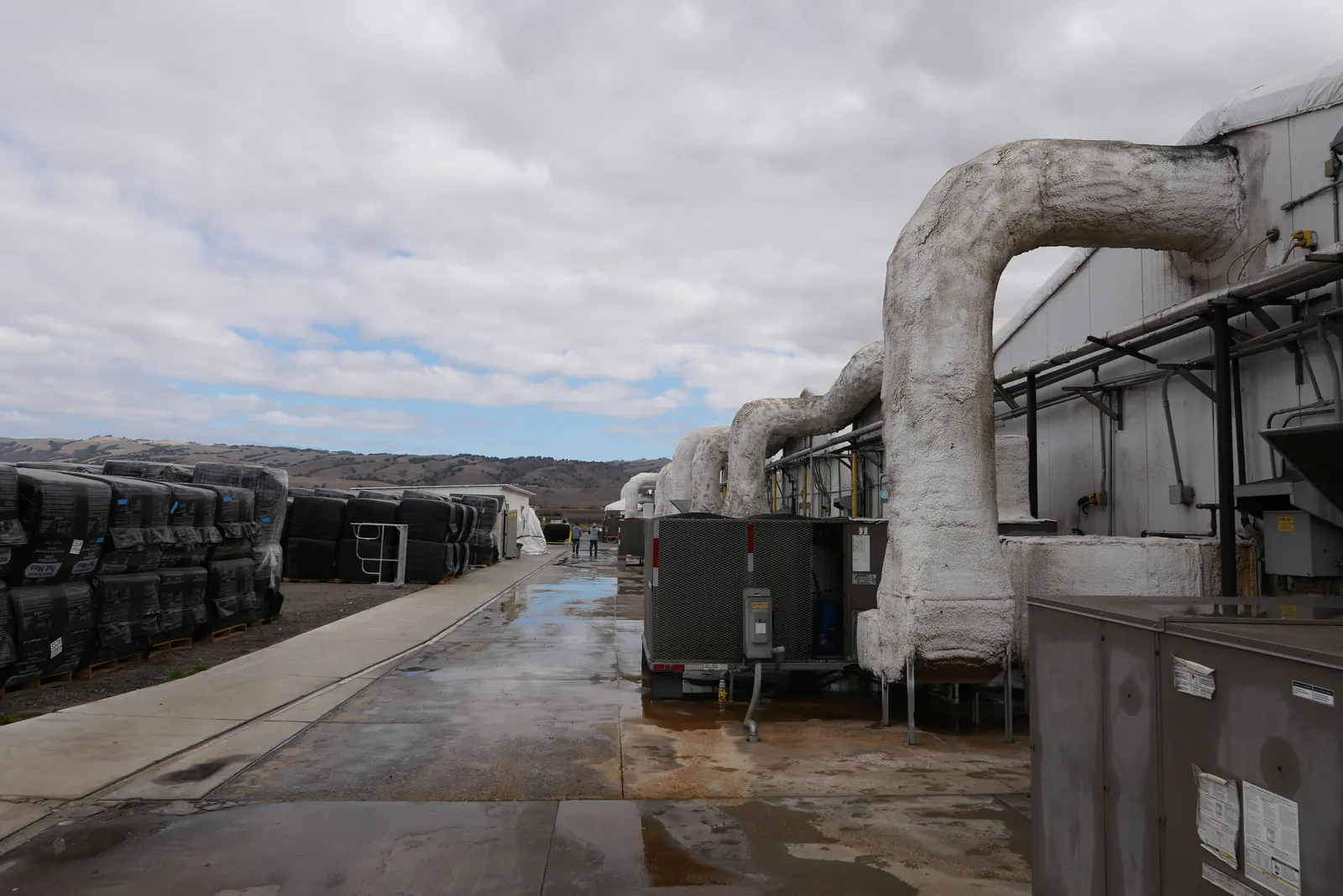
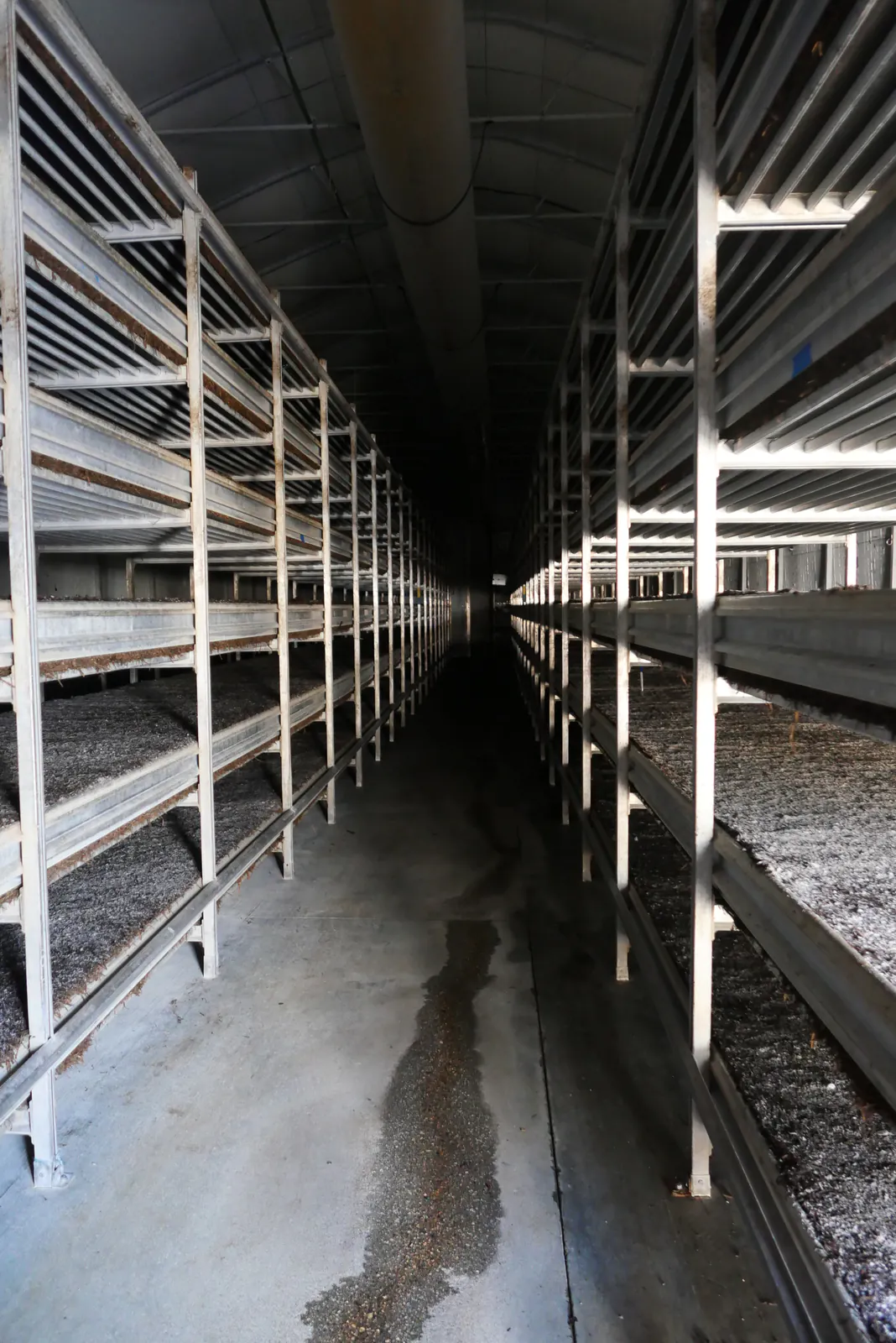
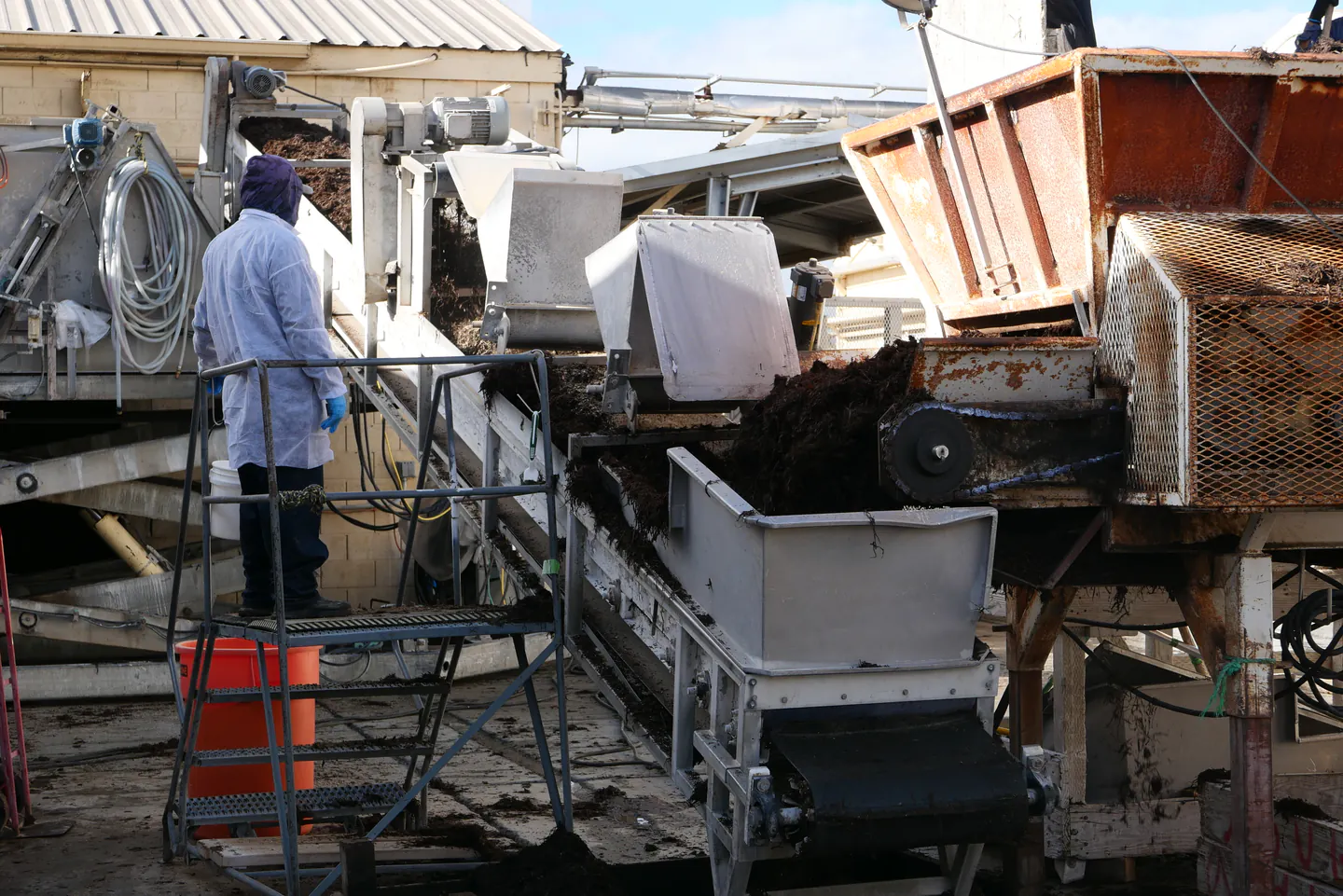
The company describes a complete production cycle of roughly fifteen weeks. Straw and poultry manure are composted with water and supplements. The material is then pasteurised and conditioned, reducing pests and removing ammonia before growers introduce spawn: material carrying living fungal mycelium.
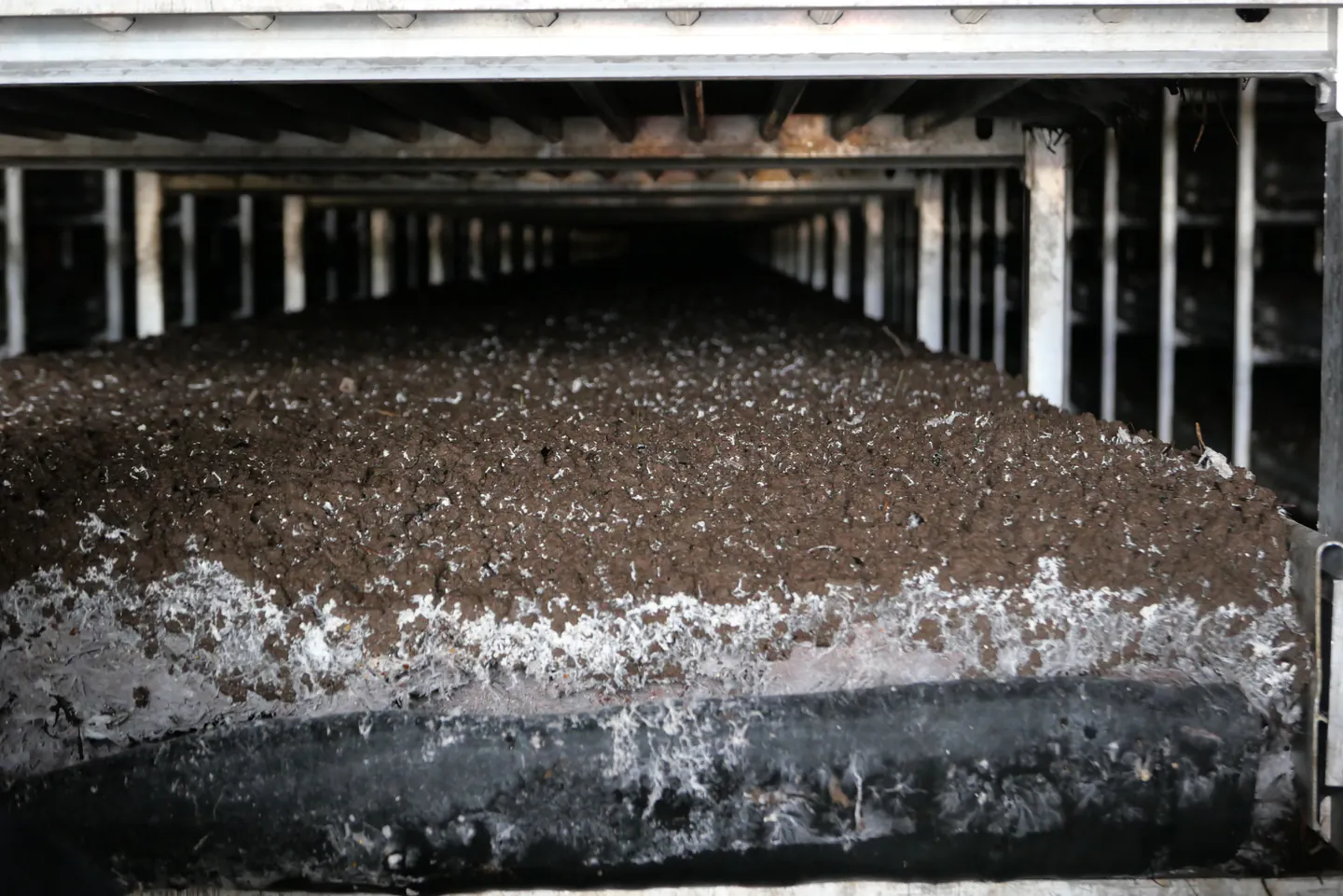
White mycelial threads spread through the compost, drawing nourishment from it. The exposed beds in my photographs show this network particularly clearly. Much of the organism develops within the growing material before any recognisable mushroom appears above it.
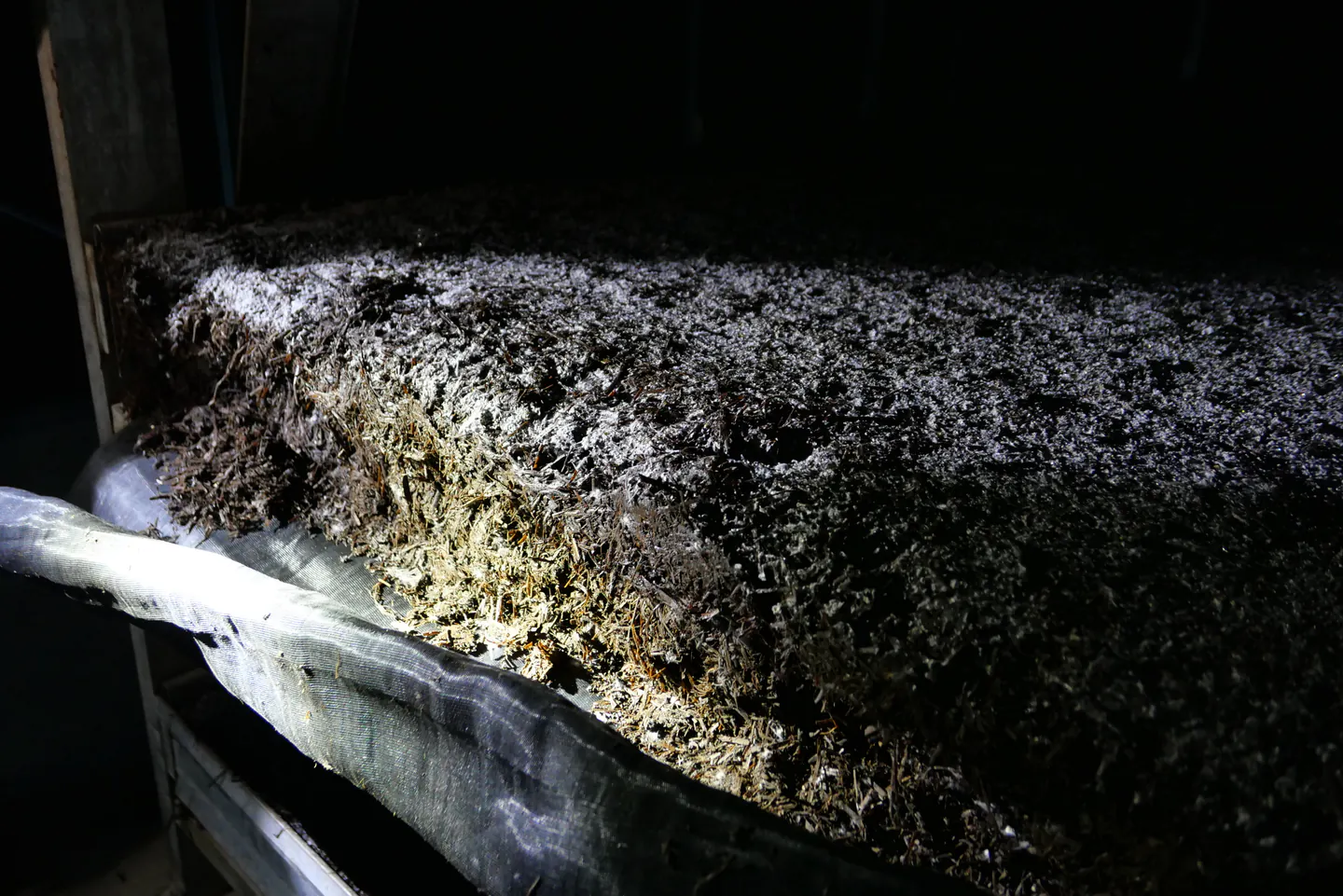
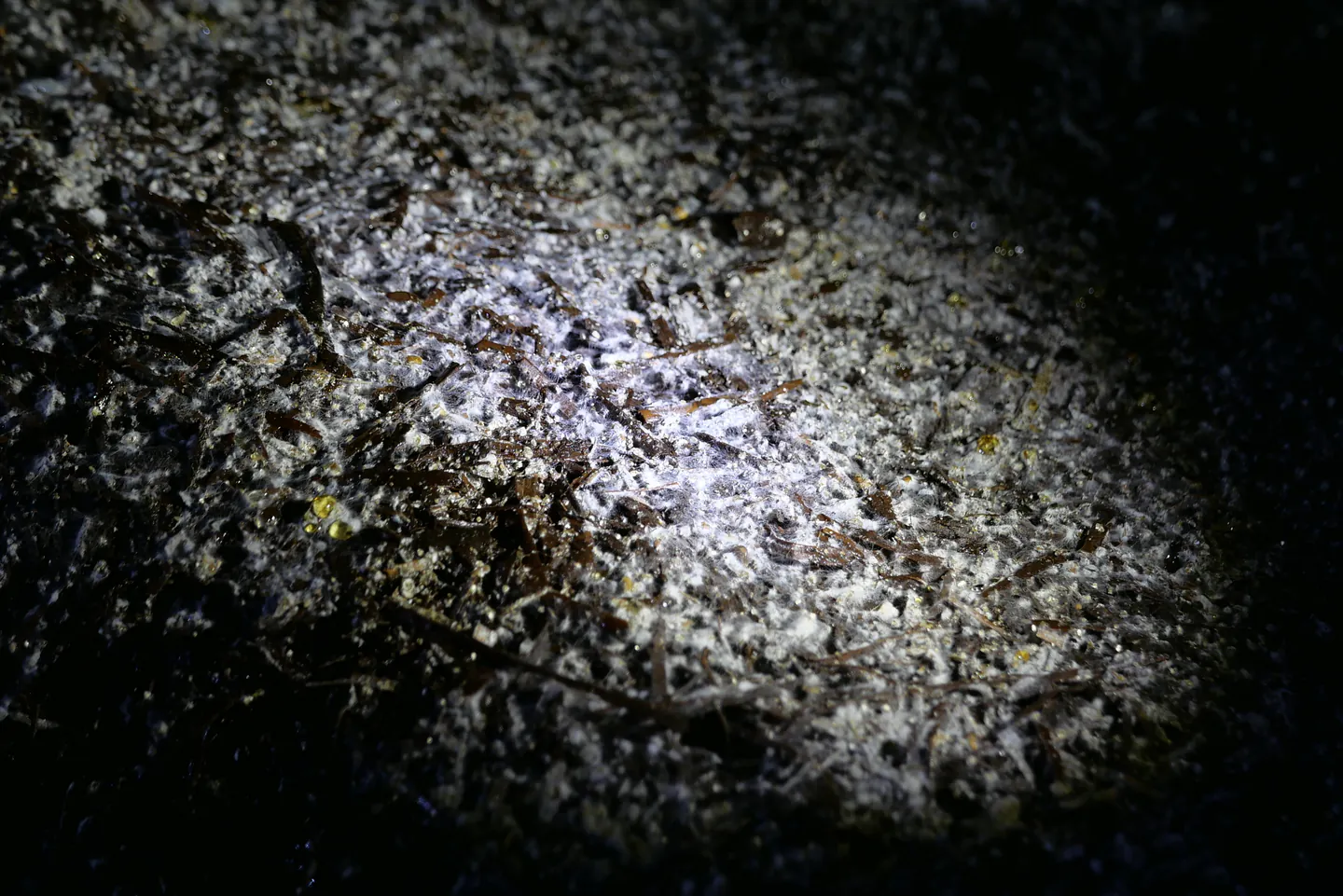
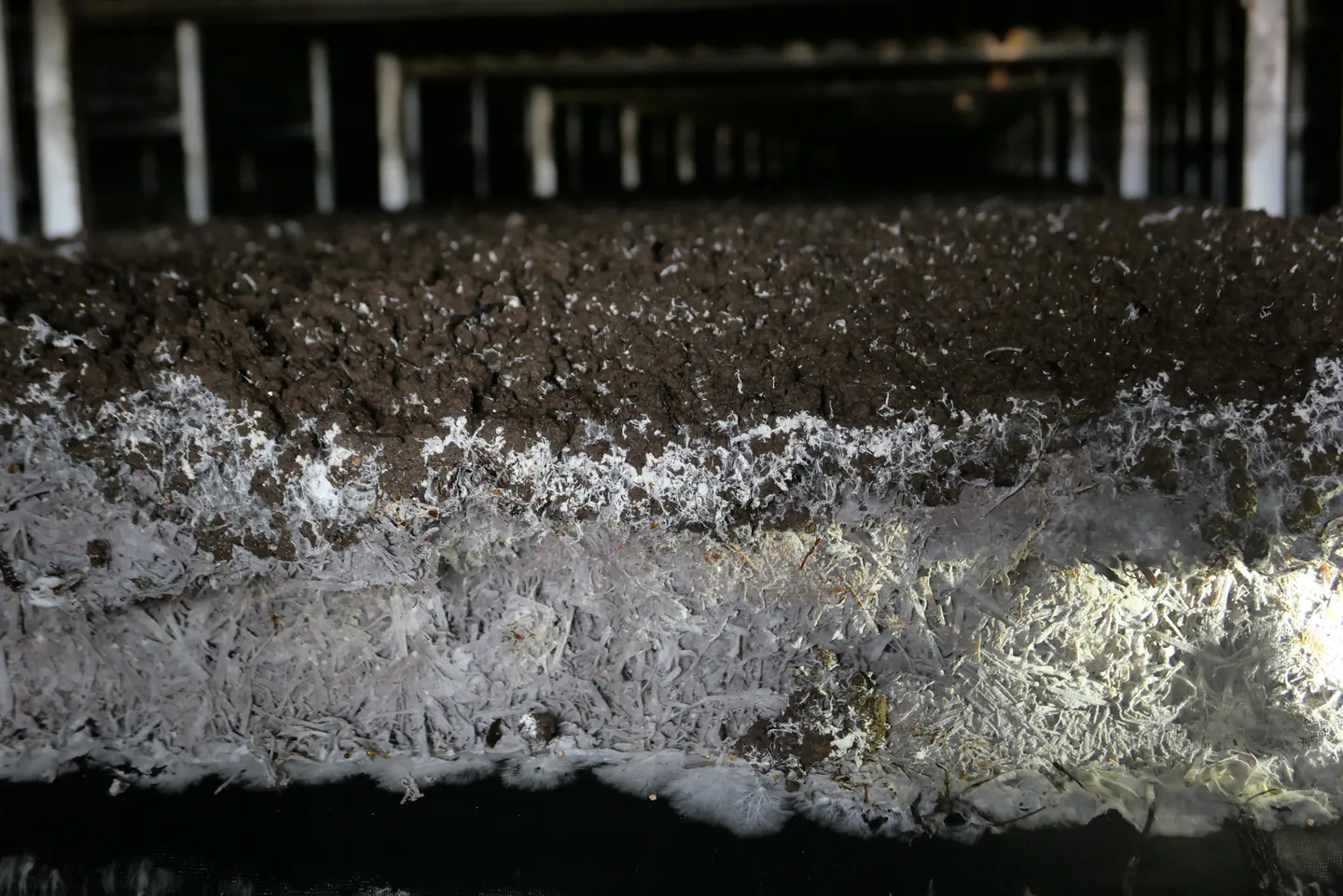
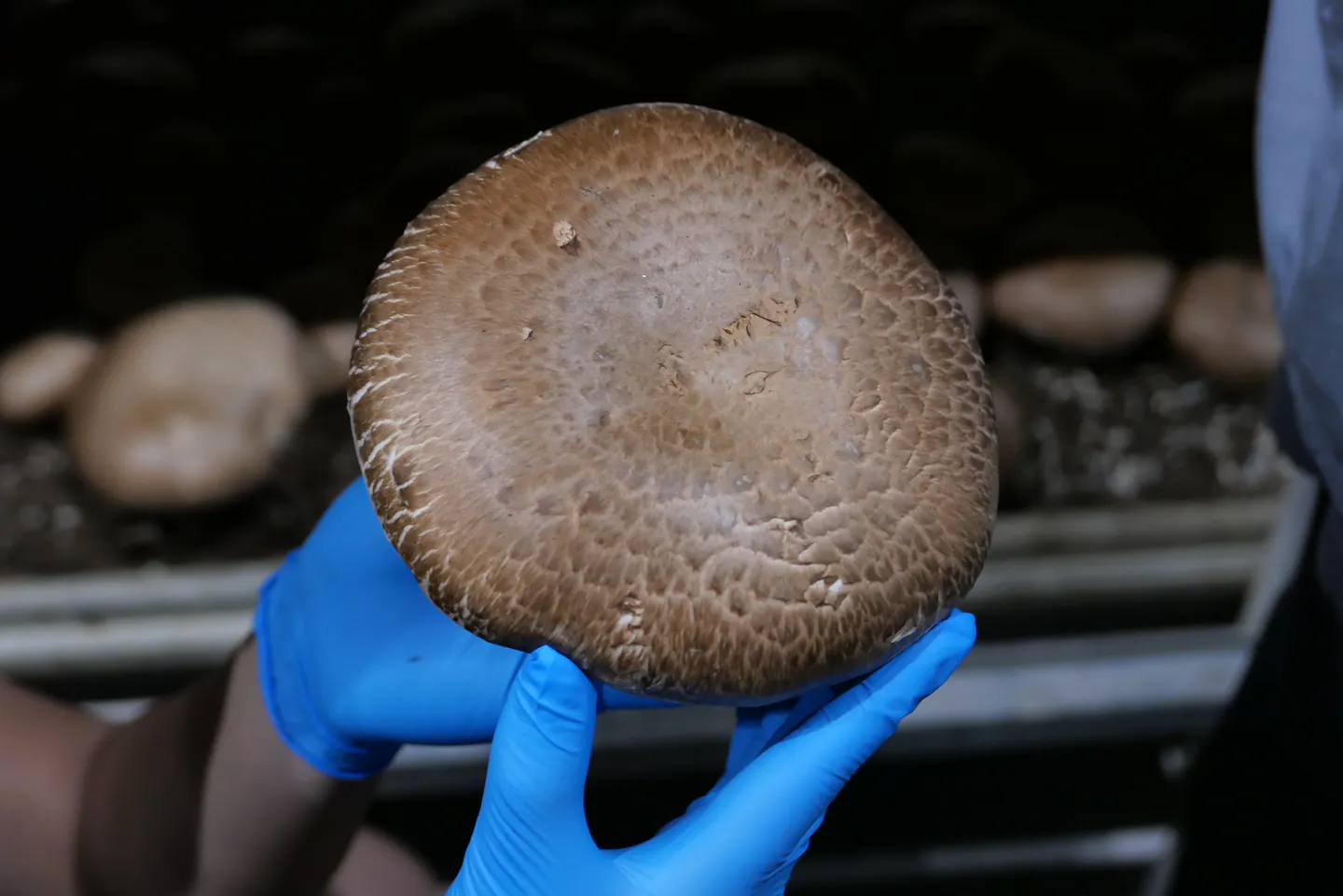
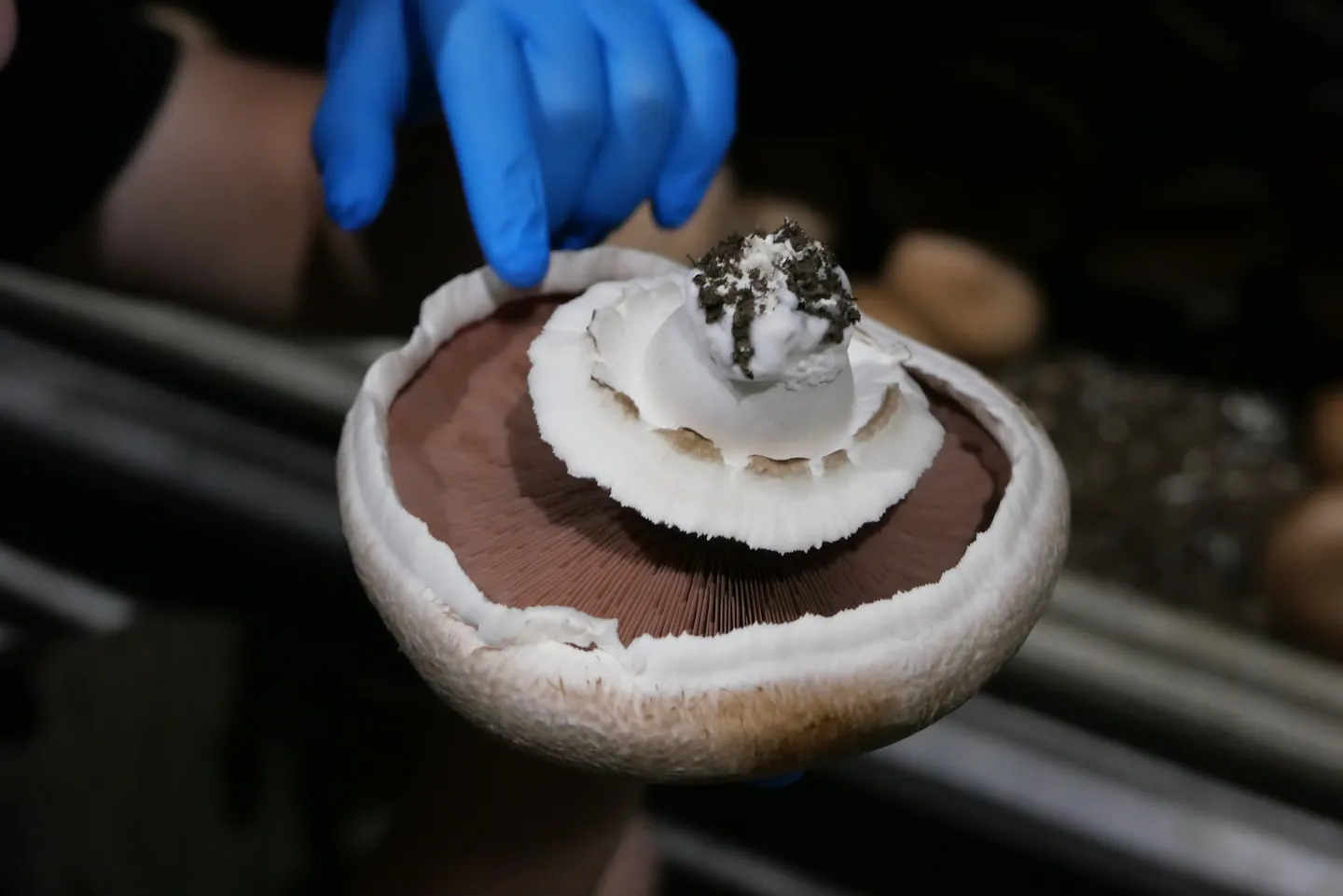
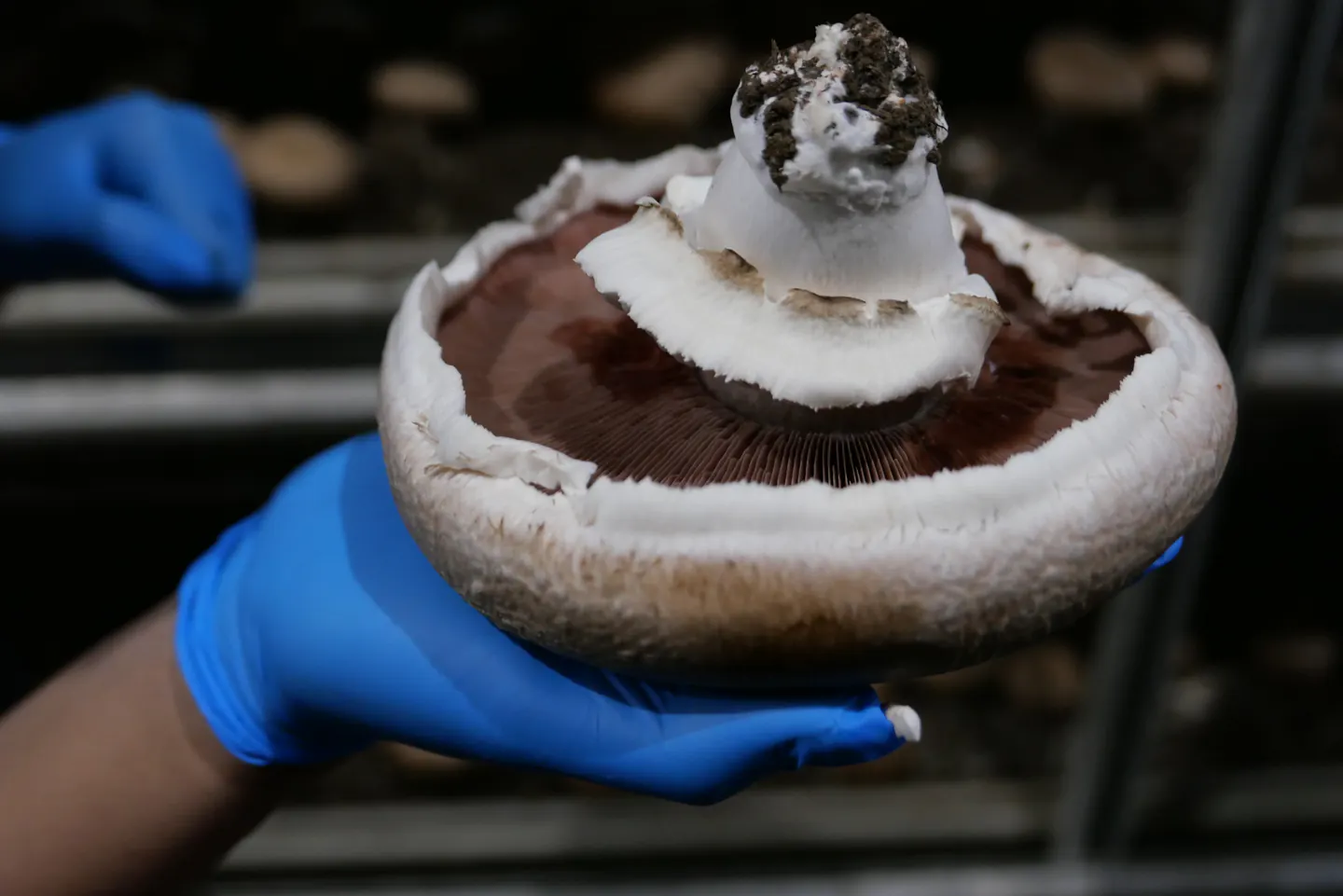
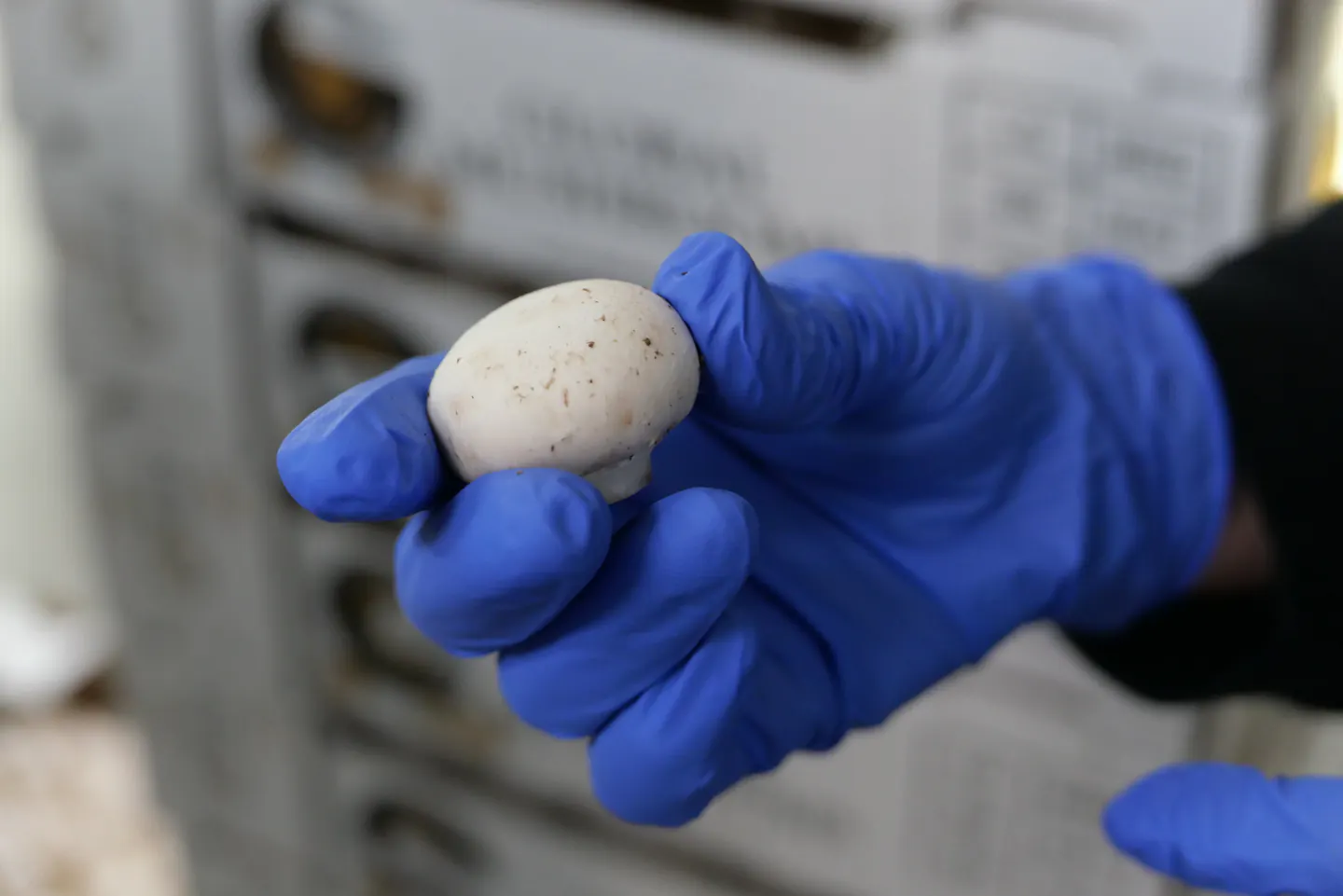
A moisture-holding casing layer is added over the colonised compost. Water, temperature and ventilation are carefully managed as tiny pins form and enlarge. Rows of small white buttons make this stage visible; the larger caps elsewhere in the growing rooms show what follows.
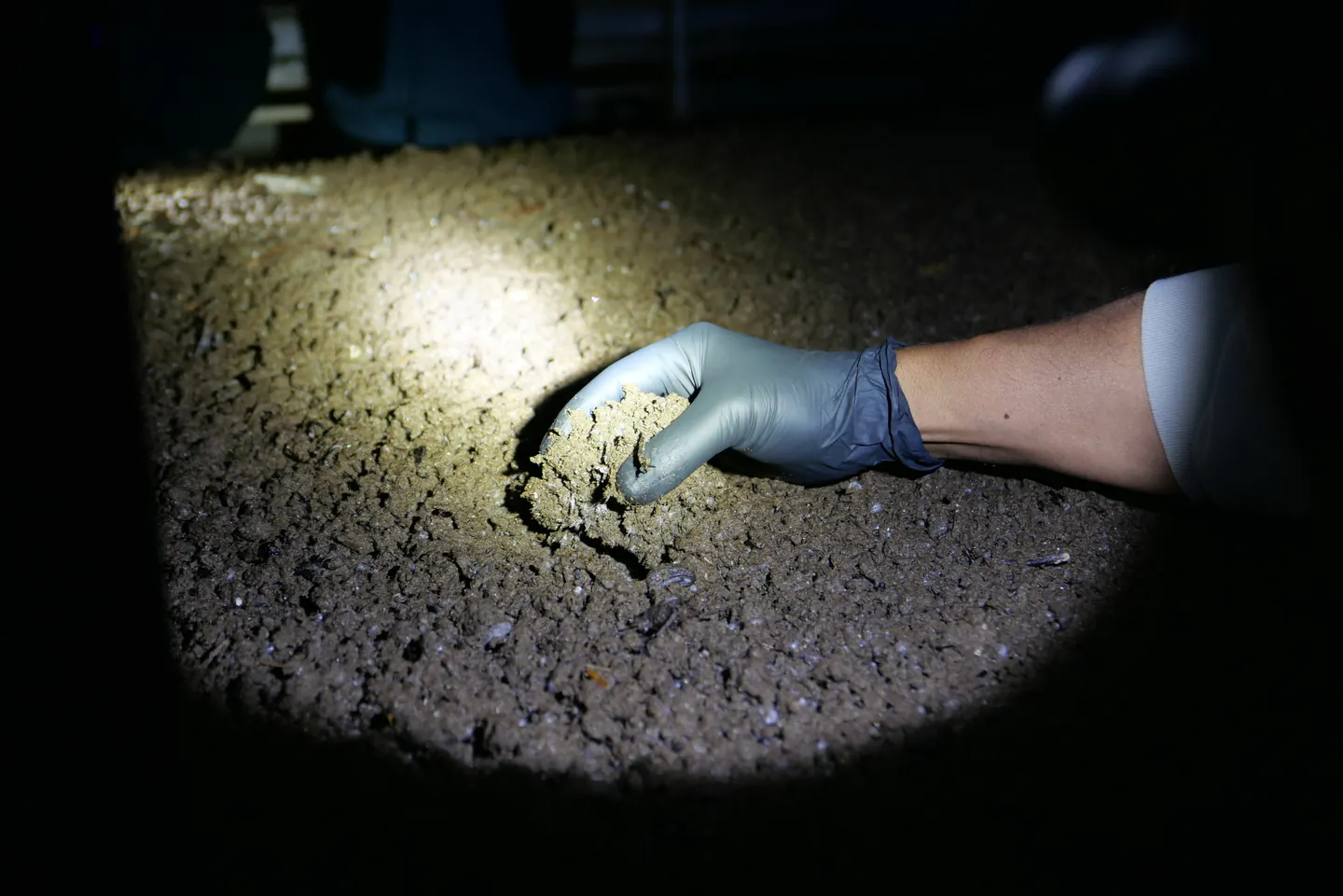

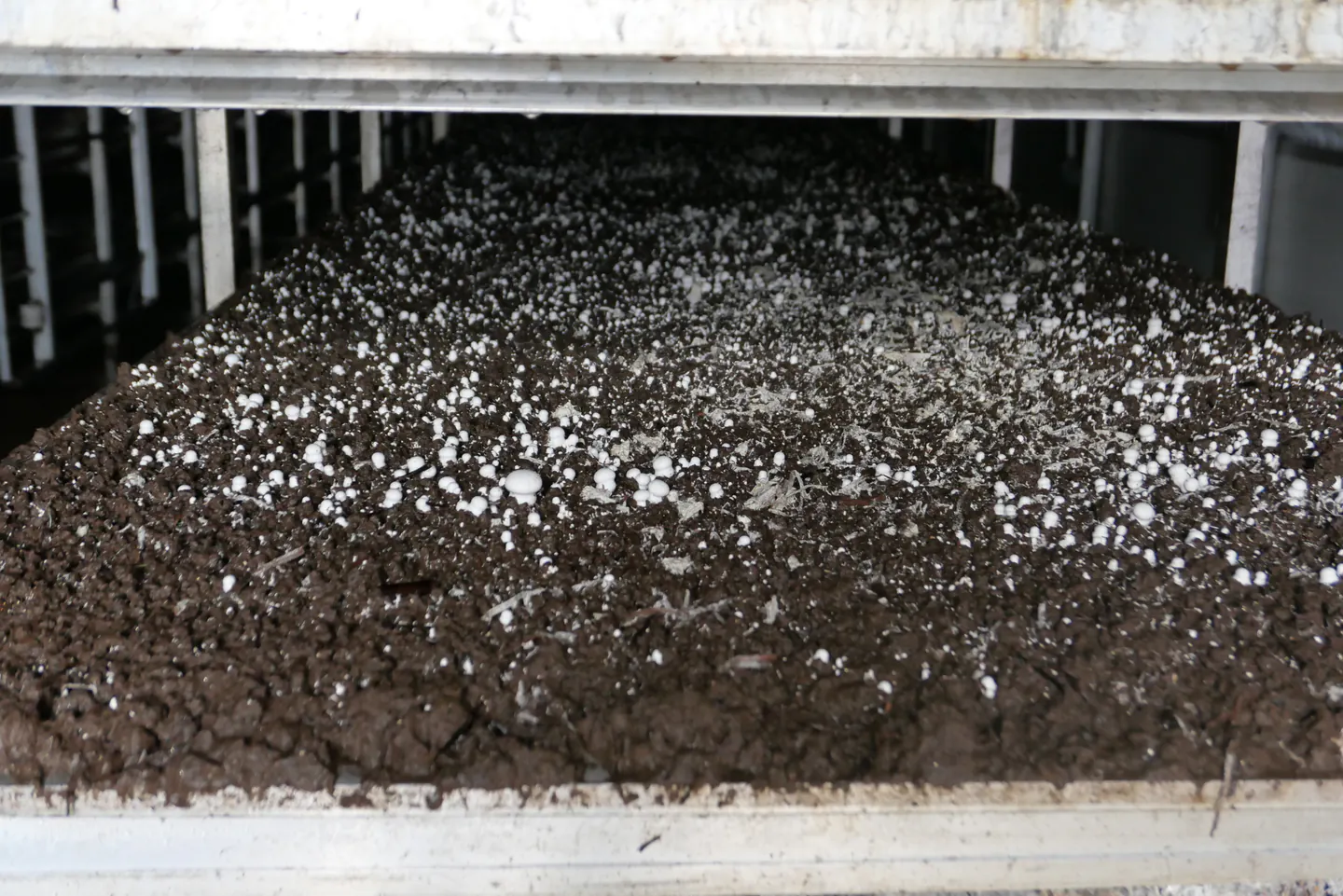
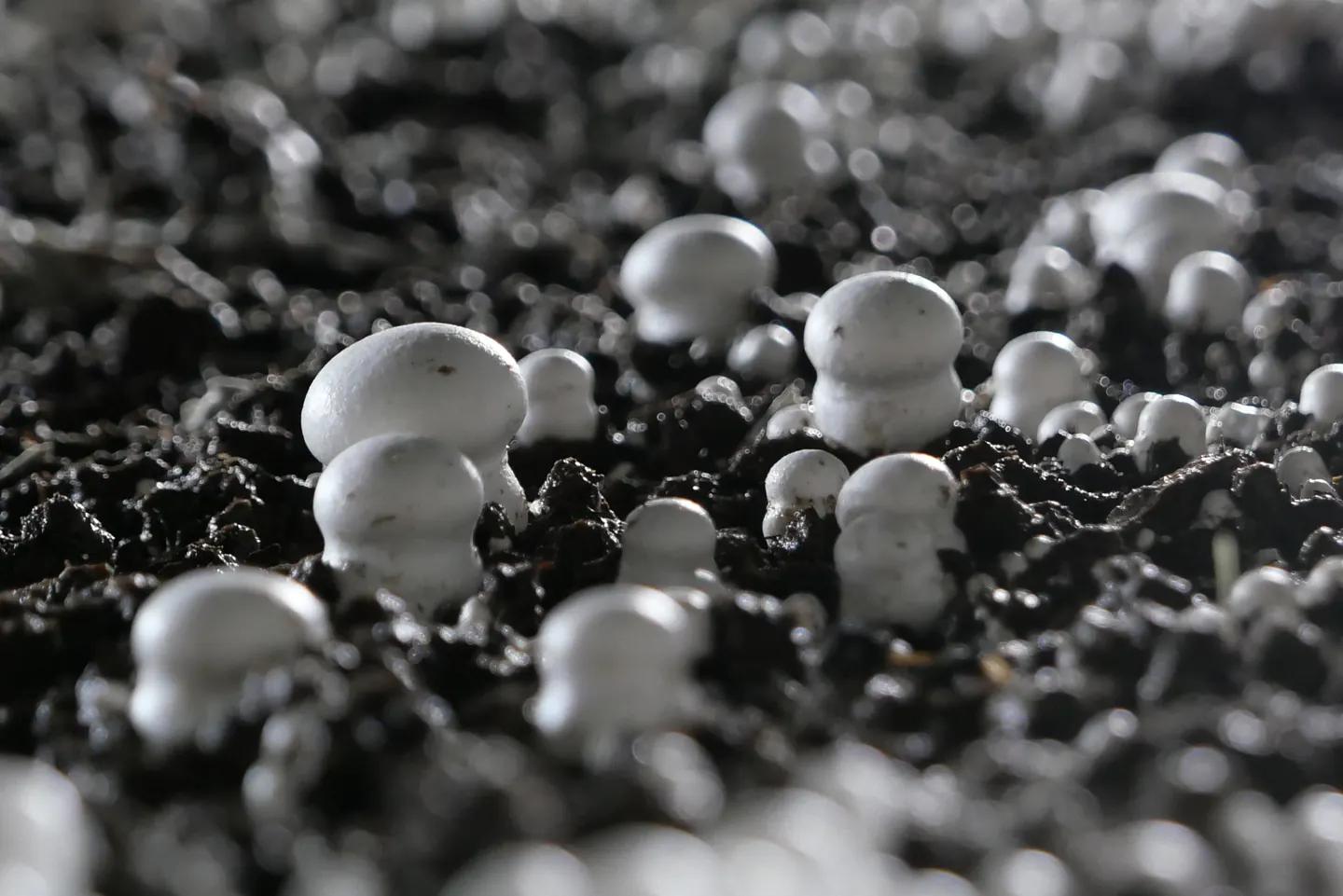
The mushroom itself is the fruiting body. Beneath a mature cap, gills produce spores, although commercial cultivation uses prepared spawn. Harvest comes in successive flushes. Mushrooms are picked, trimmed and inspected, then cooled and packed. After the final crop, steam treatment prepares the room for another cycle.
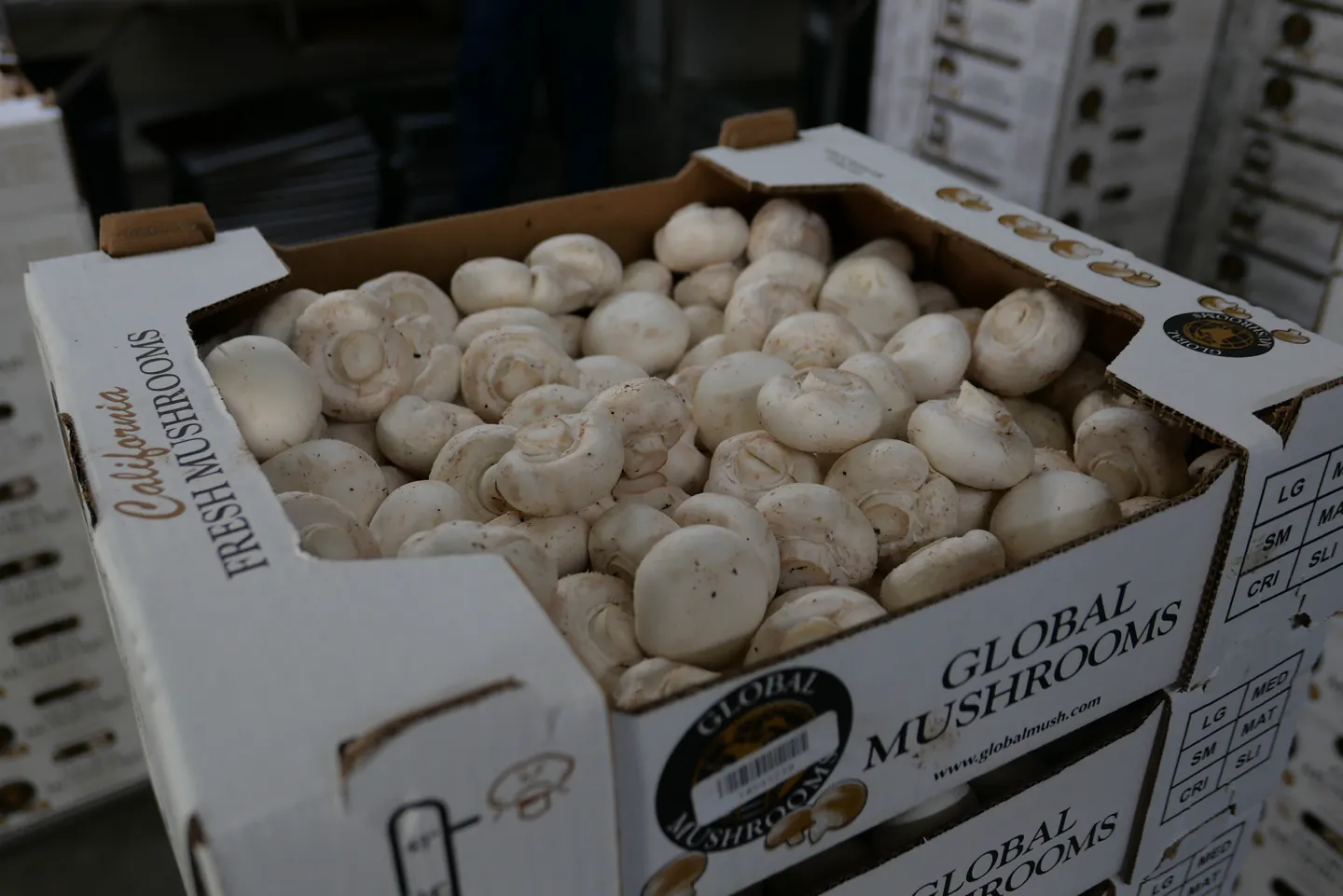
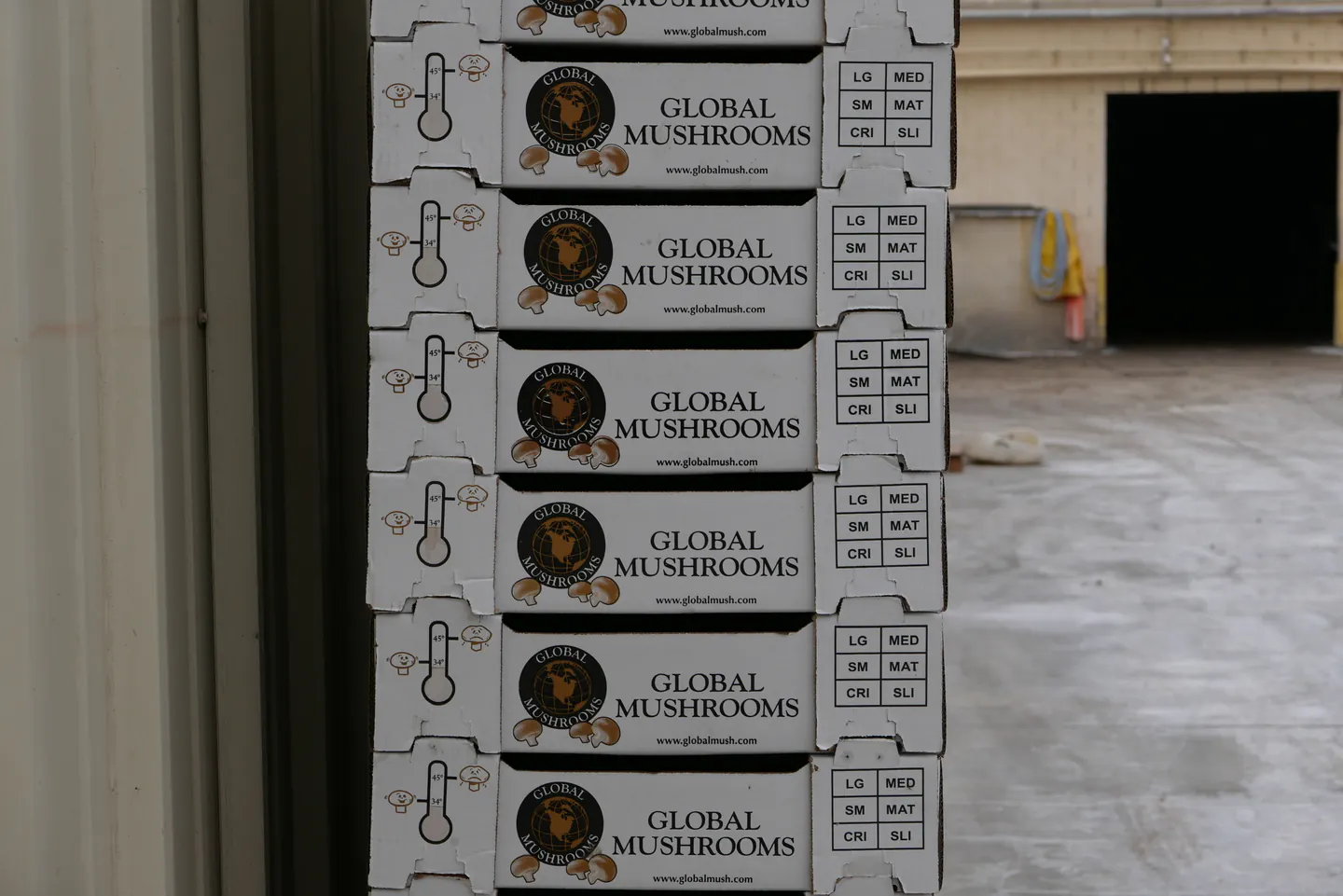
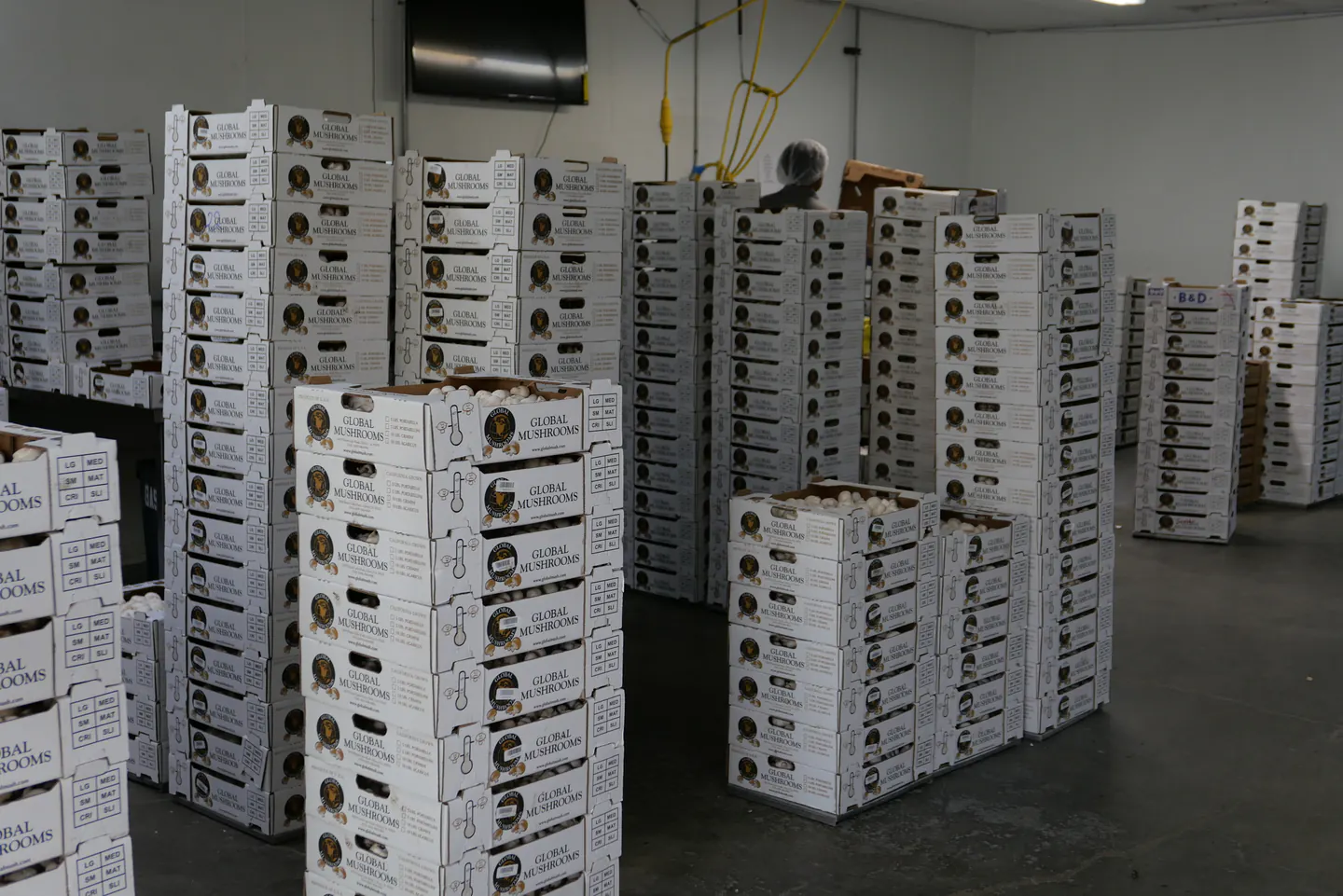
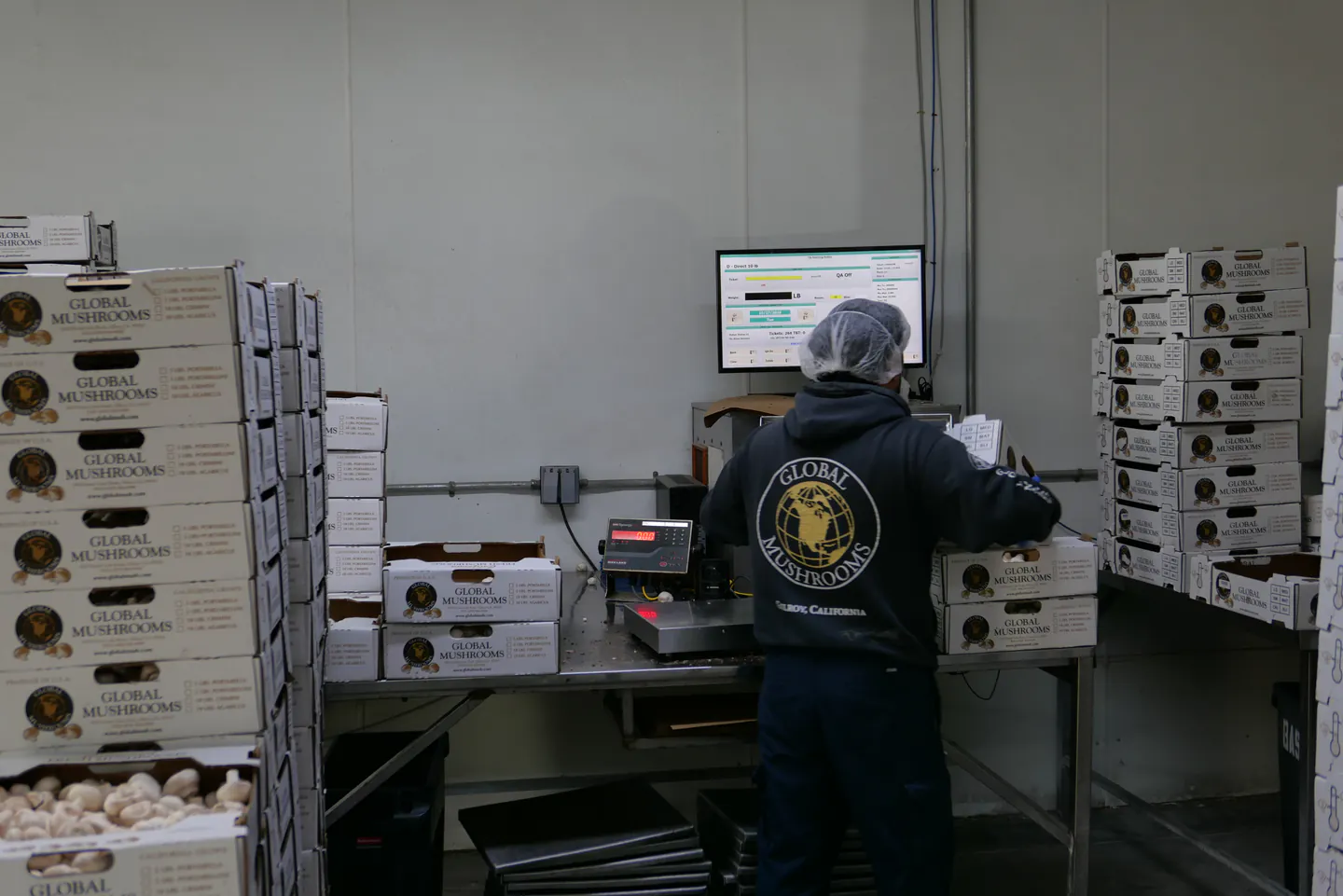
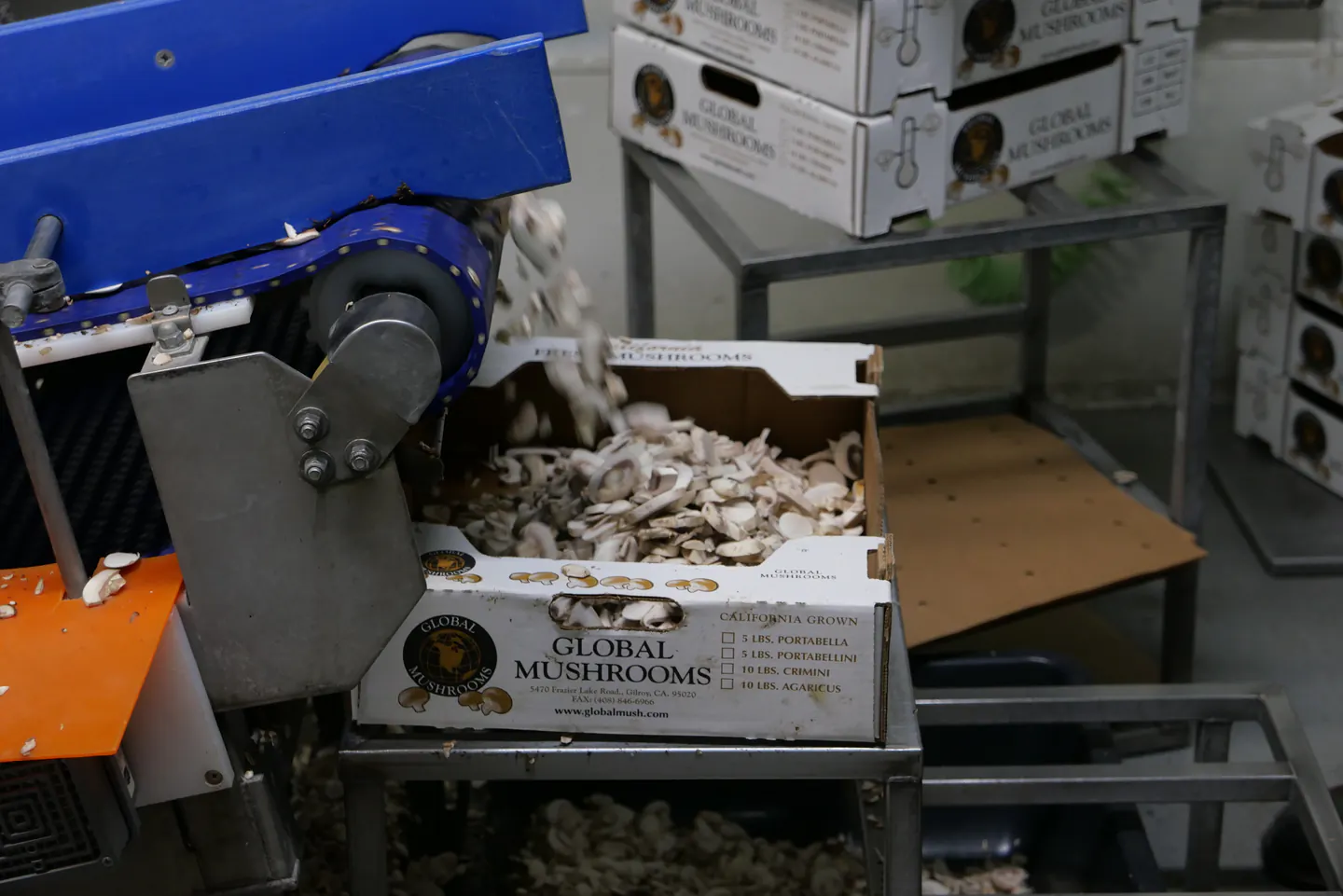
The packing photographs follow mushrooms through weighing, slicing and retail packaging. Barcodes on the boxes allow traceability, staff explained, consistent with the company’s published traceback programme. Even after mushrooms leave the growing room, their production history remains something the business can account for.
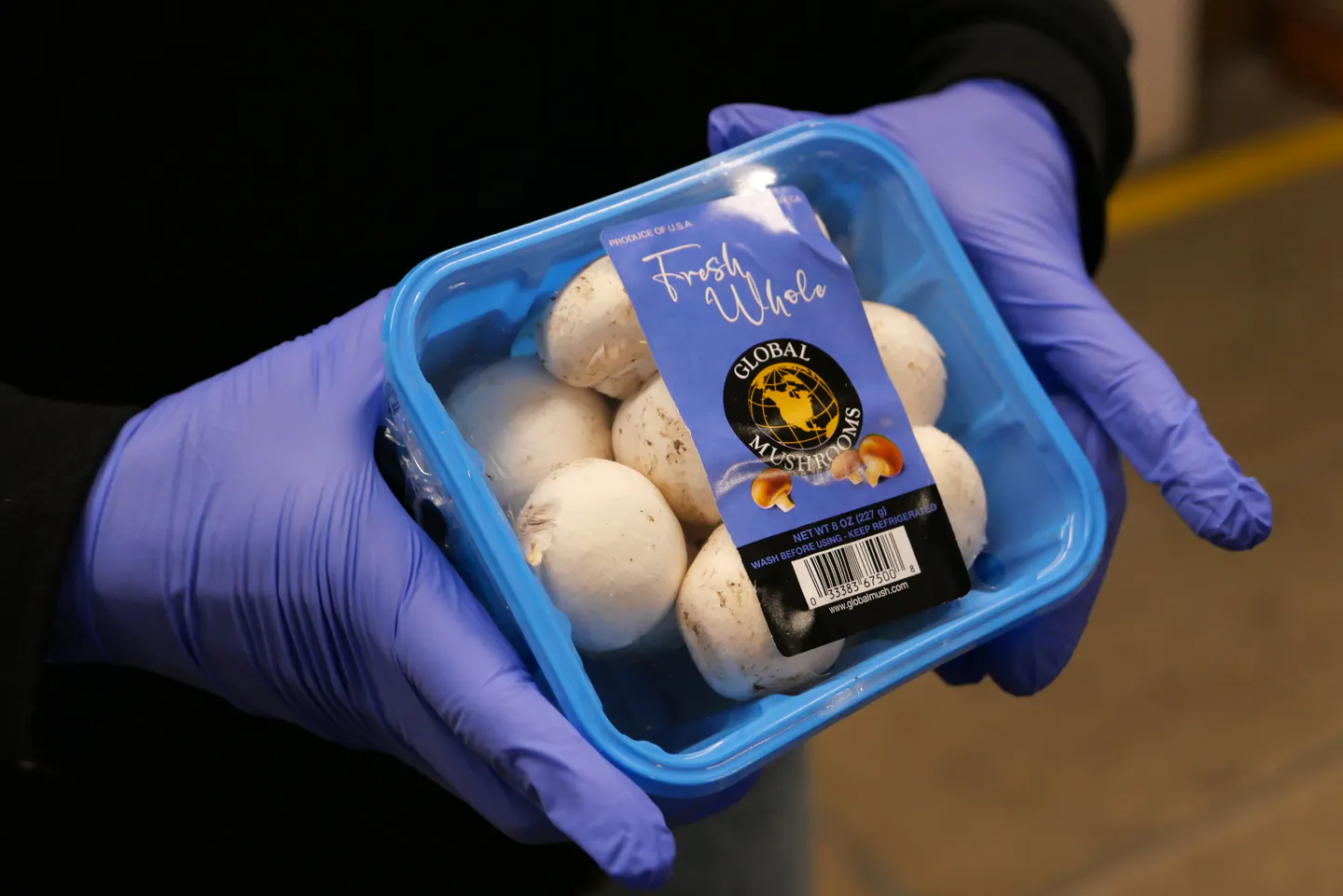
What surprised me most was how much attention a medium-sized mushroom supplier gave to sustainability. I had not expected it to occupy such a central place in the visit. Management repeatedly returned to water, materials and resource use while explaining production. Their emphasis made me reconsider where I expect to encounter serious environmental commitment.
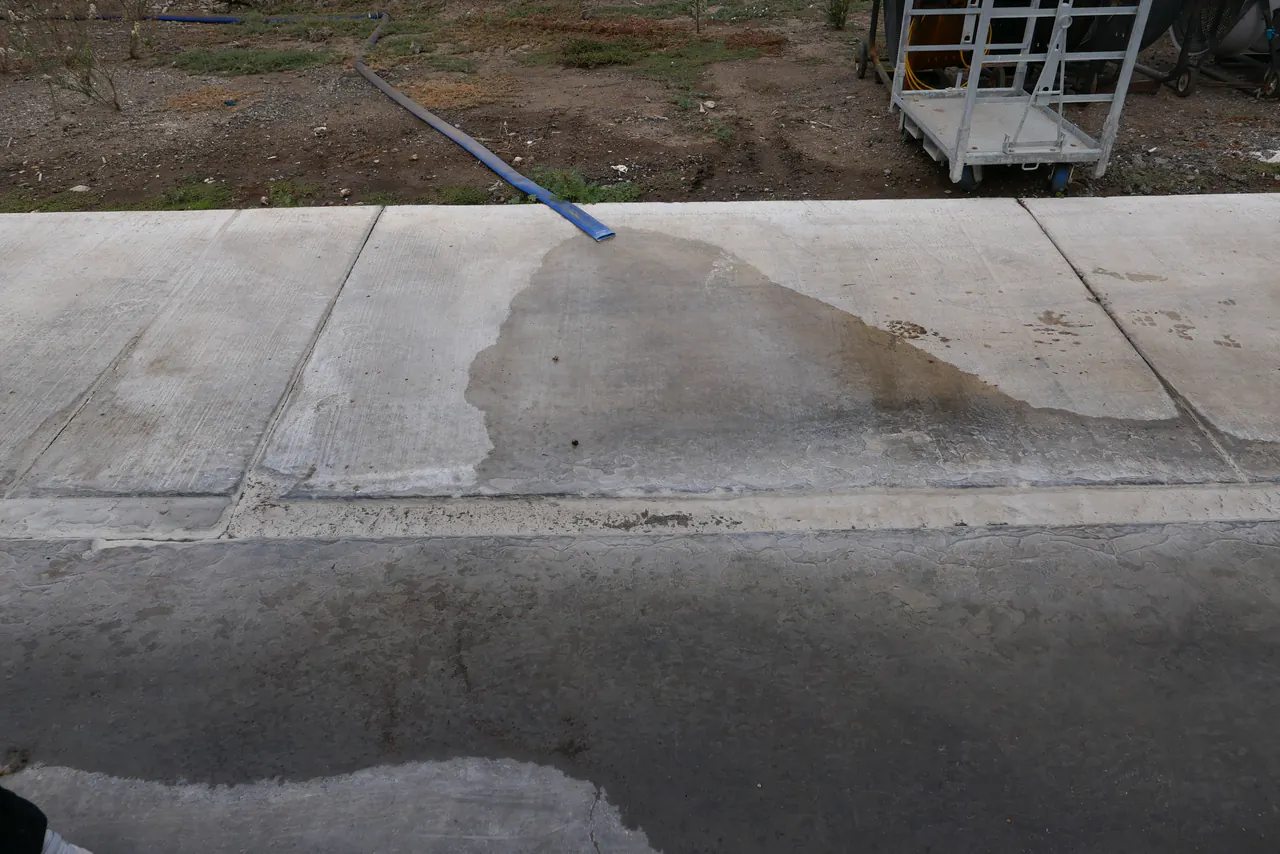
The team described its water recycling as 100 percent. The company’s website details grey-water storage, lined ponds, biofiltration swales and the land application of wash water. The hoses on the ground were a visible detail within that larger explanation. Drums used for fly control also appeared, as I understood it, to have been repurposed.

The material cycle extends beyond harvesting. According to the company, spent substrate, stumps and removed stem pieces are recycled, with material pasteurised before donation to neighbouring farms. Its published programme also describes energy-efficient growing houses, heating and cooling, and an employee conservation committee. These practices reach across several parts of the operation.
The connections between those practices matter. Recovering water requires arrangements for collection and handling. Returning substrate to agricultural use requires treatment and relationships with other growers. Sustainability therefore involves infrastructure, daily work and coordination beyond the farm’s boundary. Its organisational depth becomes visible in how consistently these different activities support the same commitment.
A medium-sized supplier has to make production work every day. Seeing sustainability receive sustained managerial attention in that setting made the visit especially thought-provoking for me. It suggested that environmental responsibility can become part of how a business understands competent management: how carefully it uses resources, and how far it follows the consequences of production.
I left thinking about what allows environmental care to persist within an organisation. Managers’ repeated attention, dedicated equipment, employee involvement and relationships with other farms all give that commitment somewhere to live. Together, they make it possible to carry environmental considerations from an intention into the decisions that keep production going.
By the time a box of mushrooms reaches a kitchen, the farm’s work is already continuing elsewhere: in recovered water, in another grower’s soil, in the next crop. A harvest has a date; the responsibility for what it sets in motion has a longer life.