I arrived at WU Vienna with two things: a great deal of affection for the city, and a bag full of Norwegian chocolate. The chocolate was my contingency plan. If a question was met with silence, I would convert Freia into class participation. A perfectly respectable incentive scheme, I thought.
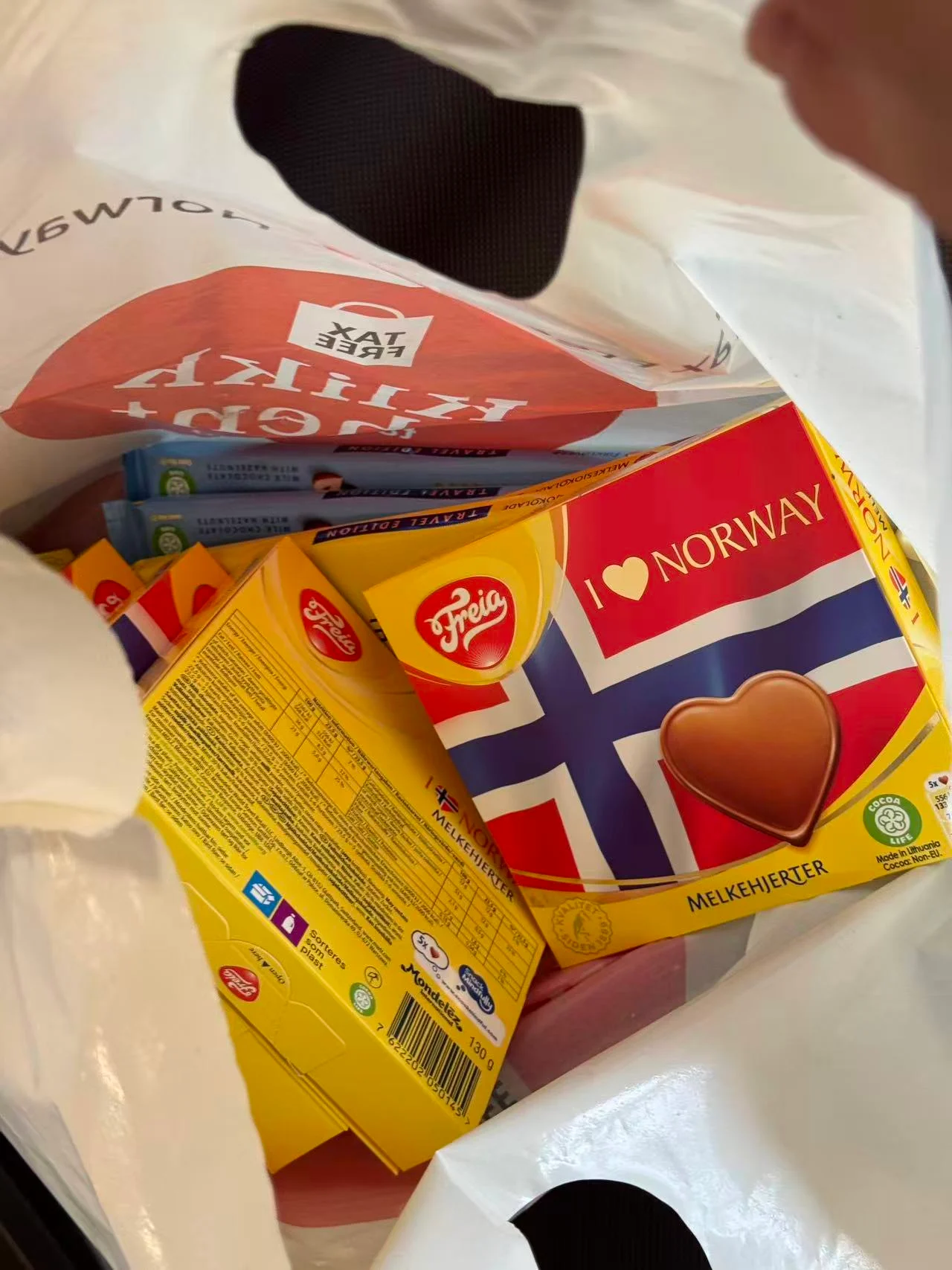
The students promptly ruined it by being genuinely interested.
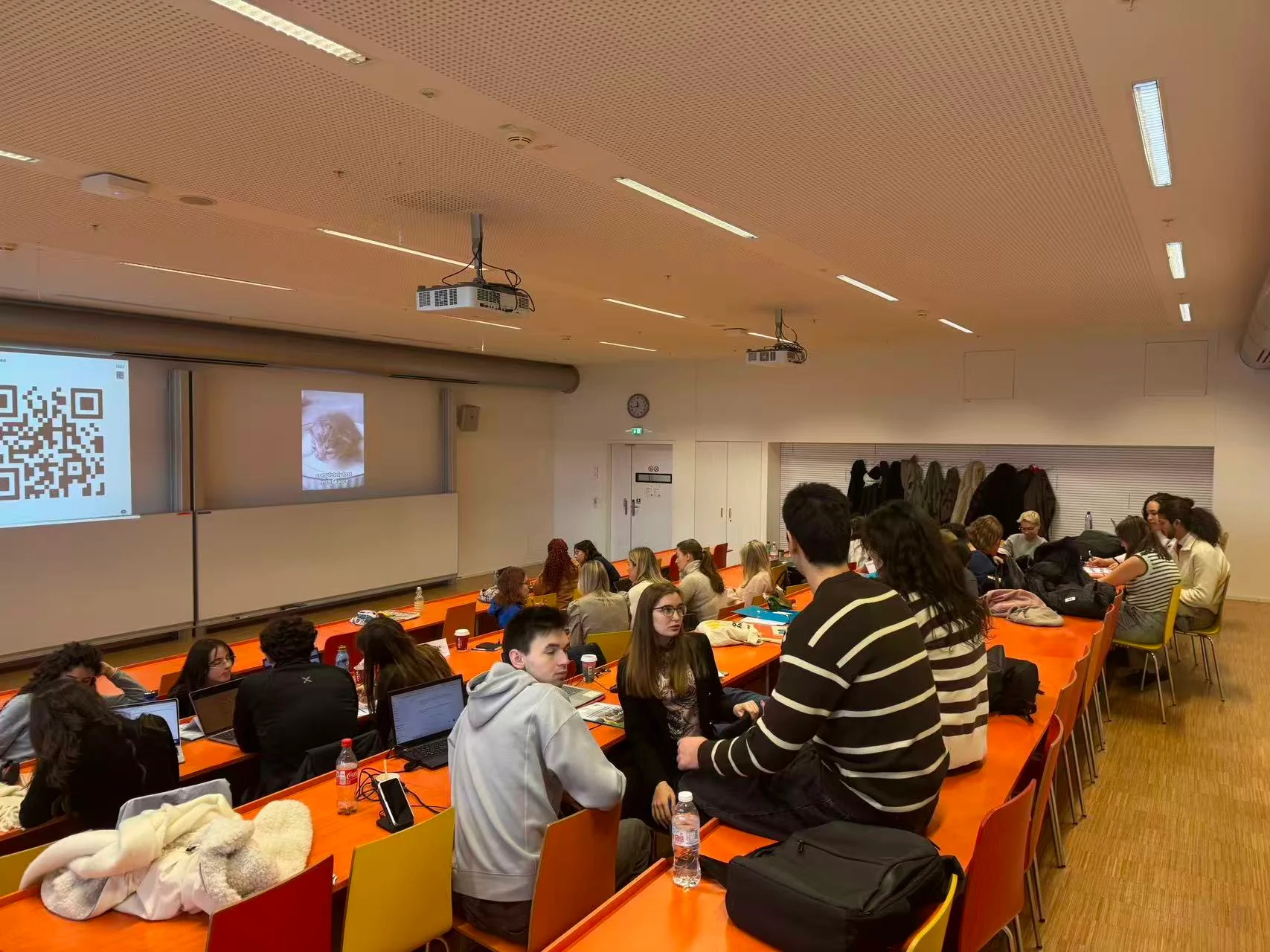
Questions came before bribes. The discussion took off, travelled well beyond my slides, and made the chocolate economically redundant. So I abandoned the performance-based compensation model and distributed it anyway. This may have been the most popular institutional reform of the day.
That small failure of planning has stayed with me because it captured what I loved about the classroom at WU.
We did not speak only about business models, customers, resources, or pitches. We spoke about democracy, freedom, the rule of law, life, relationships, LGBTQ+, and our states of mind. We debated European legislation, the technology boom, AI, and several questions for which neither a canvas nor a confident consultant could provide a neat answer.
On paper, much of this may look unrelated to entrepreneurship. In reality, it sits very close to its heart.
Entrepreneurs do not act on a blank page. They act inside what scholars call institutionalised scripts: the largely invisible assumptions that tell us what is sensible, legitimate, desirable, and even imaginable. Law is one script. Culture is another. So are our ideas of progress, success, responsibility, freedom, and a good life. These scripts rarely enter the room wearing name badges, yet they quietly shape which problems become “opportunities,” which innovations receive capital, whose interests count, and when growth is treated as a virtue rather than a question.
What moved me most was the students’ feedback and the fact that they did not treat these conversations as detours. They understood that asking what kind of society we want is not a distraction from building a venture. It is an examination of the stage on which every venture must perform. They challenged ideas, disagreed generously, connected the abstract to the immediate, and reminded me that entrepreneurship education should not only teach people how to move faster. Sometimes it should ask who drew the map, whose road we are on, and why the finish line is there.
My strongest feeling after the course was therefore not triumph about having “delivered” a 2-day teaching session. It was something more urgent: our entrepreneurs need far more space for this kind of thinking. We give them excellent tools for validating, pitching, scaling, and surviving. We are less consistent in giving them permission to ask what their ventures normalise, what they make harder to see, and what kind of future they quietly rehearse into existence. Yet these questions are not philosophical decoration. They have material consequences.
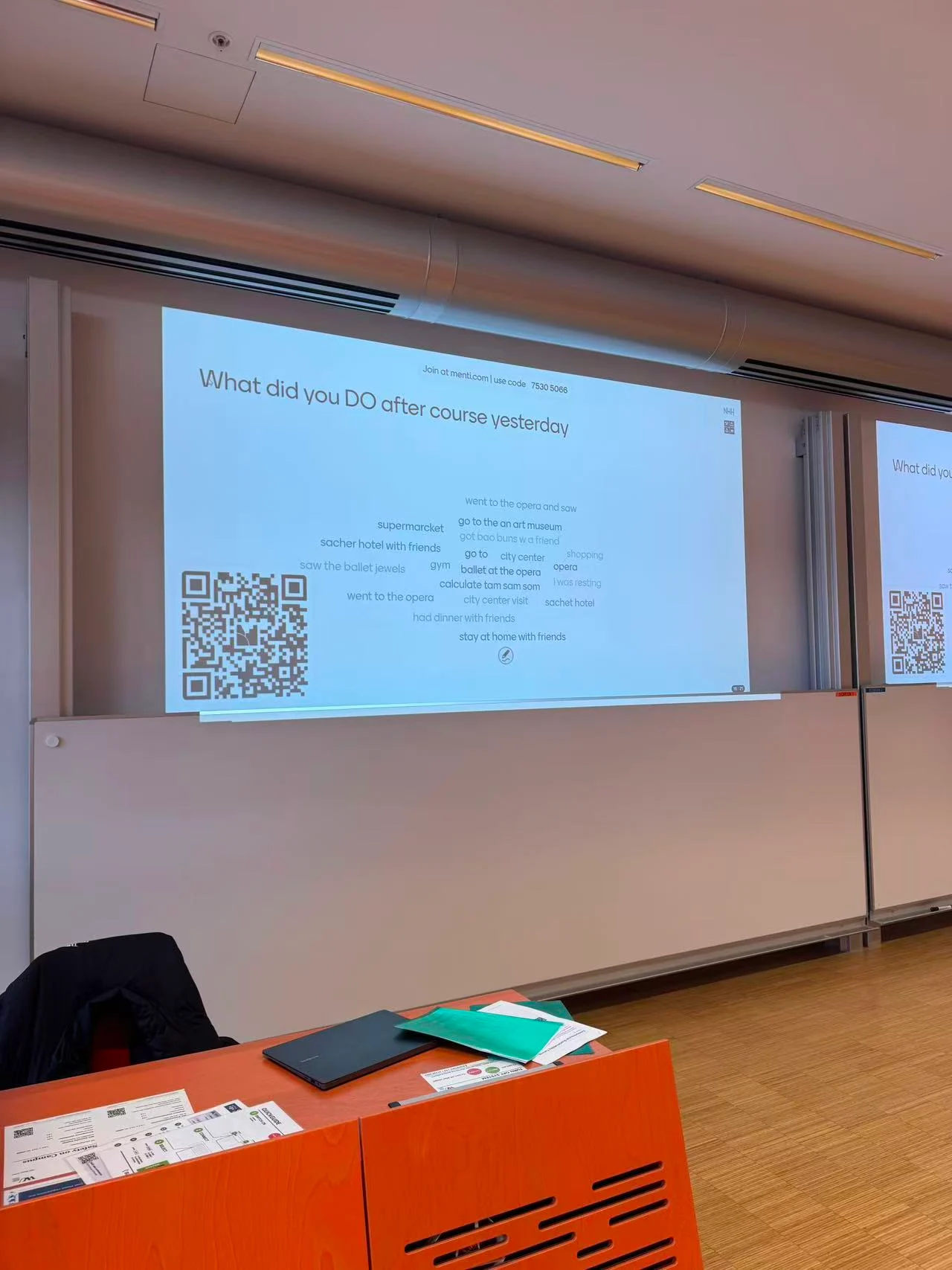
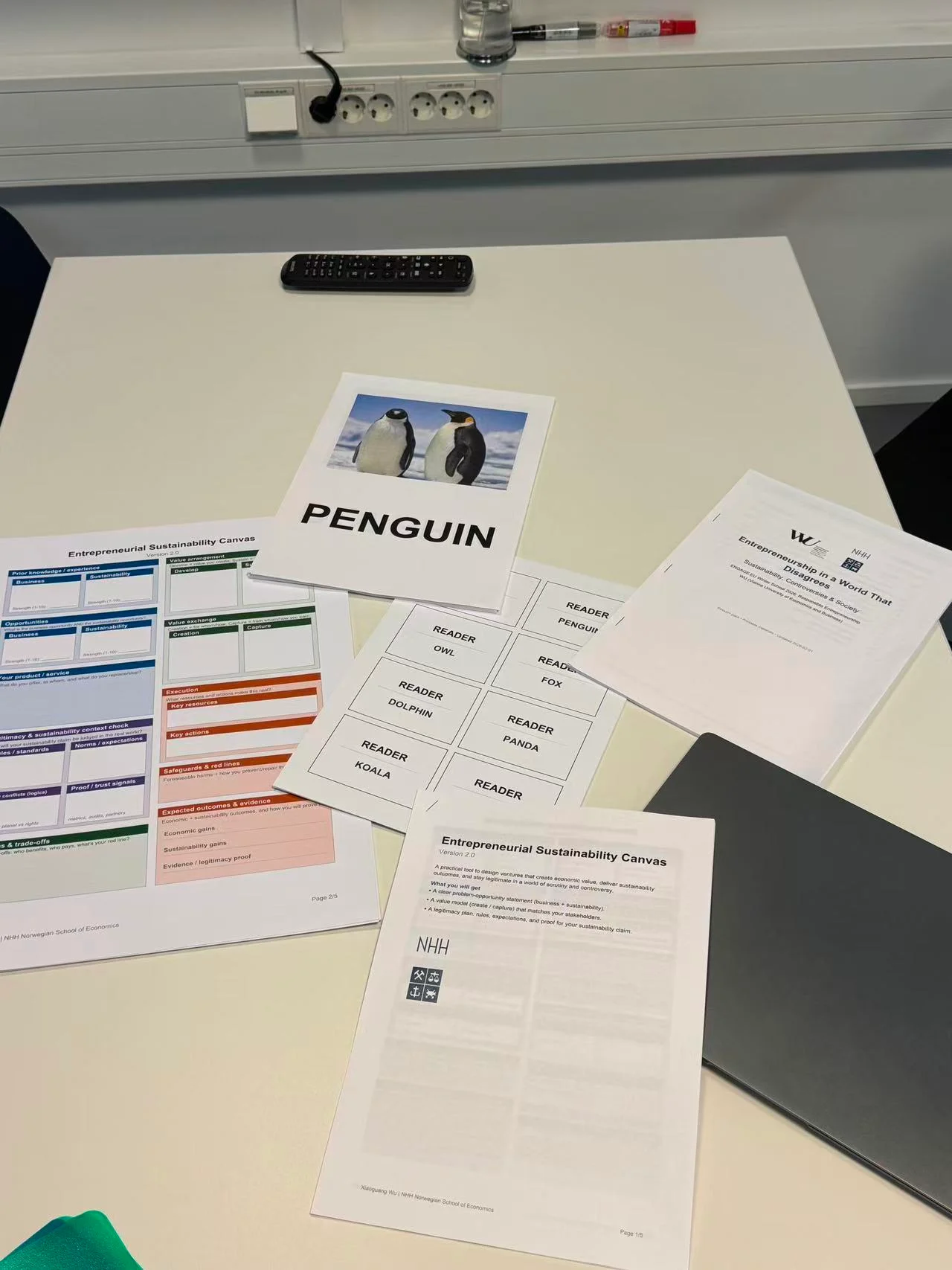
In our session, the students encountered institutionalisation, but they also experienced venture creation through the Entrepreneurial Sustainability Canvas (ESC). The point was not to add sustainability after the business model was finished, like parsley placed on a meal for moral colour. The point was to design sustainability and profit together: to make “sus” as structurally important as profit, even if the abbreviation sounds suspicious. A venture should not save the planet only in the appendix while making money in the main text.
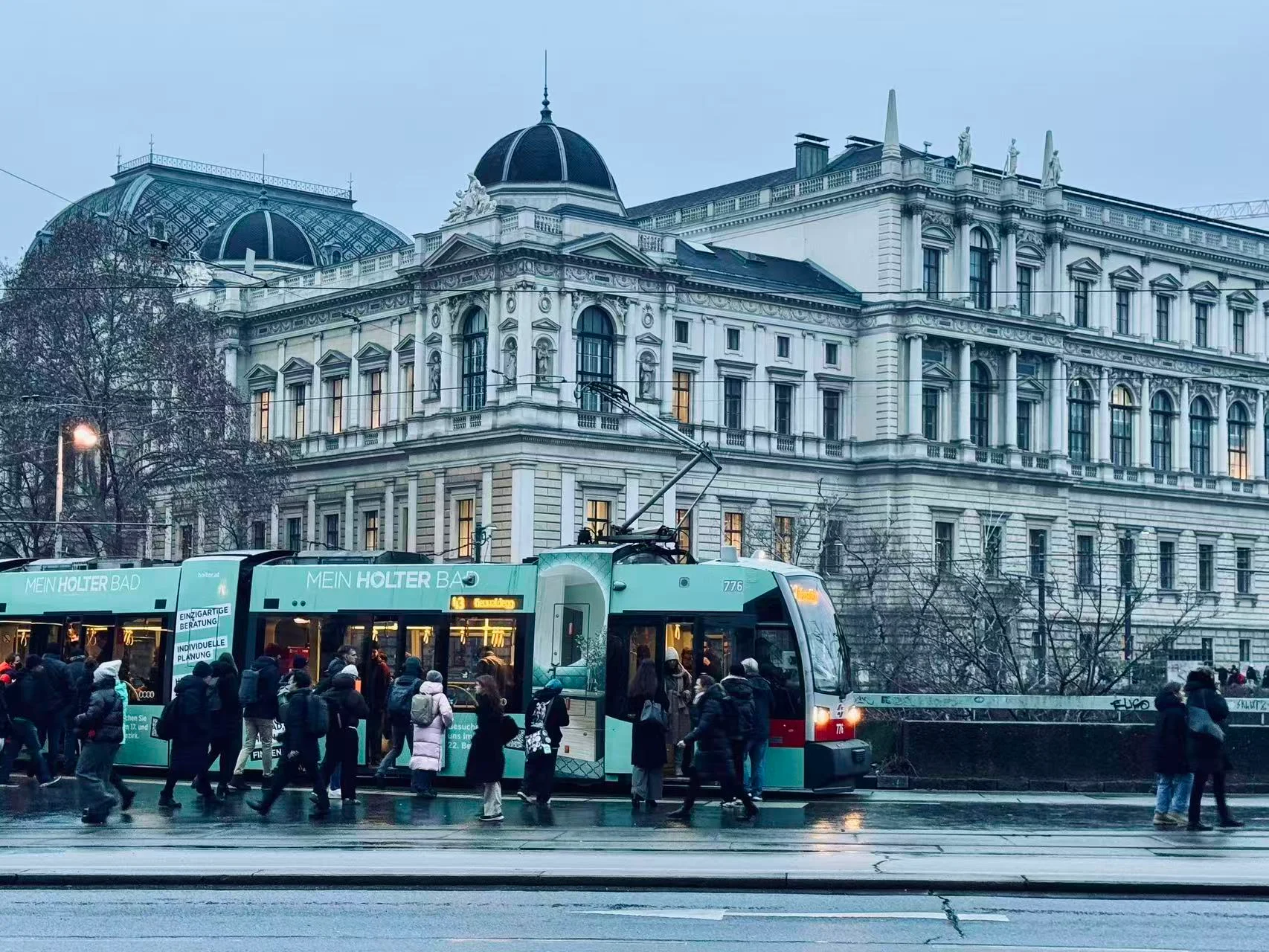
And then there was Vienna. I love this city with very little academic restraint. Vienna manages to be beautiful without apologising, serious without becoming humourless, and intellectually ambitious while still understanding the importance of coffee and cake. WU carries something of the same spirit: bold architecture, generous colleagues, curious students, and classrooms bright enough, in every sense, to keep a teacher awake.
I arrived with Norwegian chocolate and left with WU kindness, Austrian treats, and far more questions than I brought. That seems to me a very favourable exchange rate.
Thank you to the students and colleagues at the ENGAGE.EU Winter School for making the classroom feel less like a place where answers are delivered and more like a place where assumptions become visible.
The chocolate disappeared quickly. The questions, fortunately, did not.